Unearthing Excellence: 5 Critically Acclaimed Anime You Need to See
The Analytical Senpai
Author
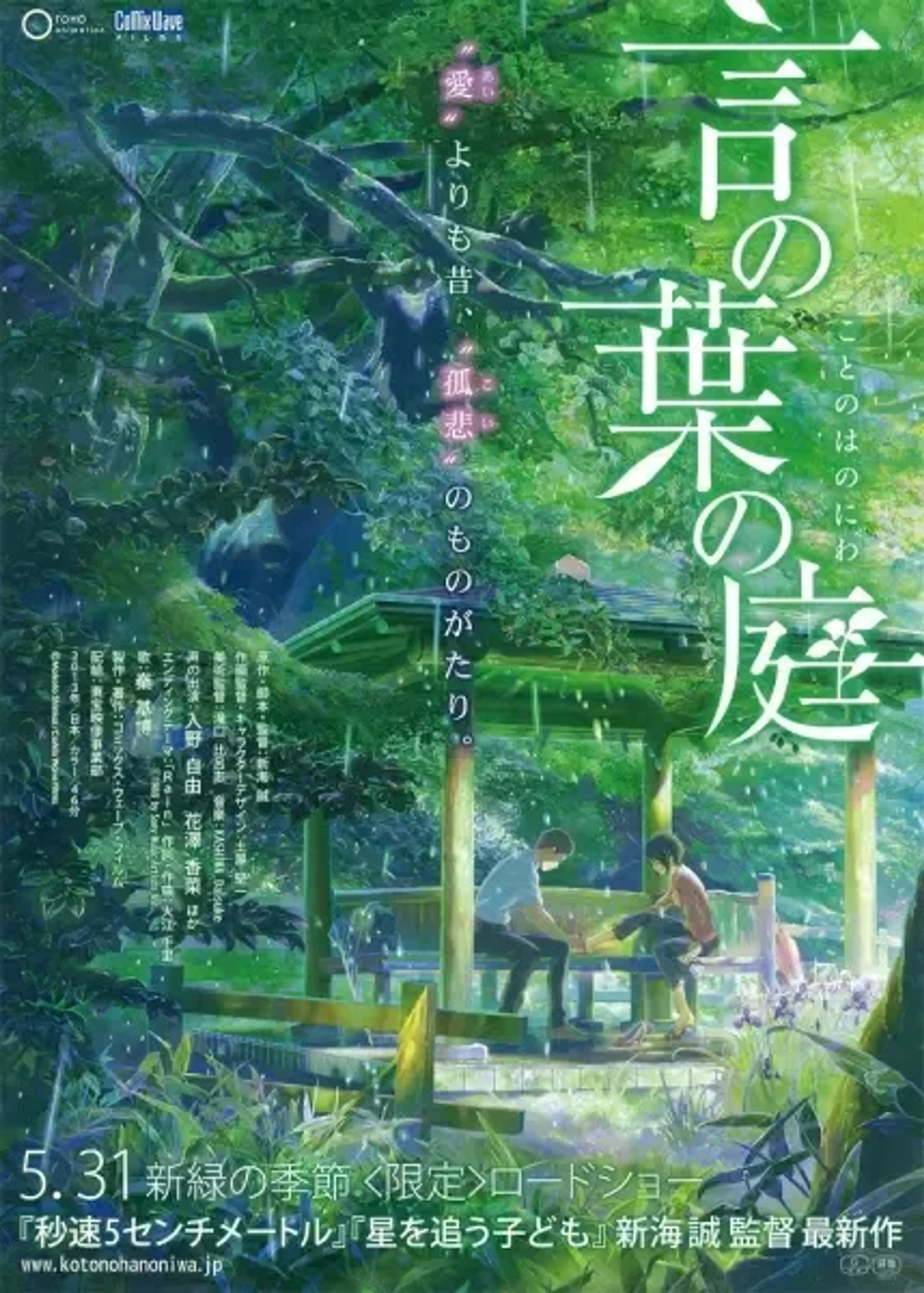
In the vast landscape of anime, where new titles emerge with relentless frequency, it is easy for truly exceptional works to be overshadowed by the sheer volume of popular releases. While mainstream success often hinges on broader appeal and extensive marketing, many series and films of profound artistic merit and innovative craft remain largely underexposed. These are the productions that, while perhaps not household names, represent the pinnacle of animation as an art form, demonstrating an unwavering commitment to narrative depth, visual splendor, and thematic complexity.
Today, Analytical Senpai delves into the archives to present five such hidden gems. These are not merely good anime; they are award-worthy exemplars of the medium's potential, each pushing boundaries in its own unique way. Prepare to expand your understanding of anime's diverse capabilities and discover titles that demand serious critical engagement, proving that true excellence often resides just beneath the surface of popular consciousness.
The Garden of Words
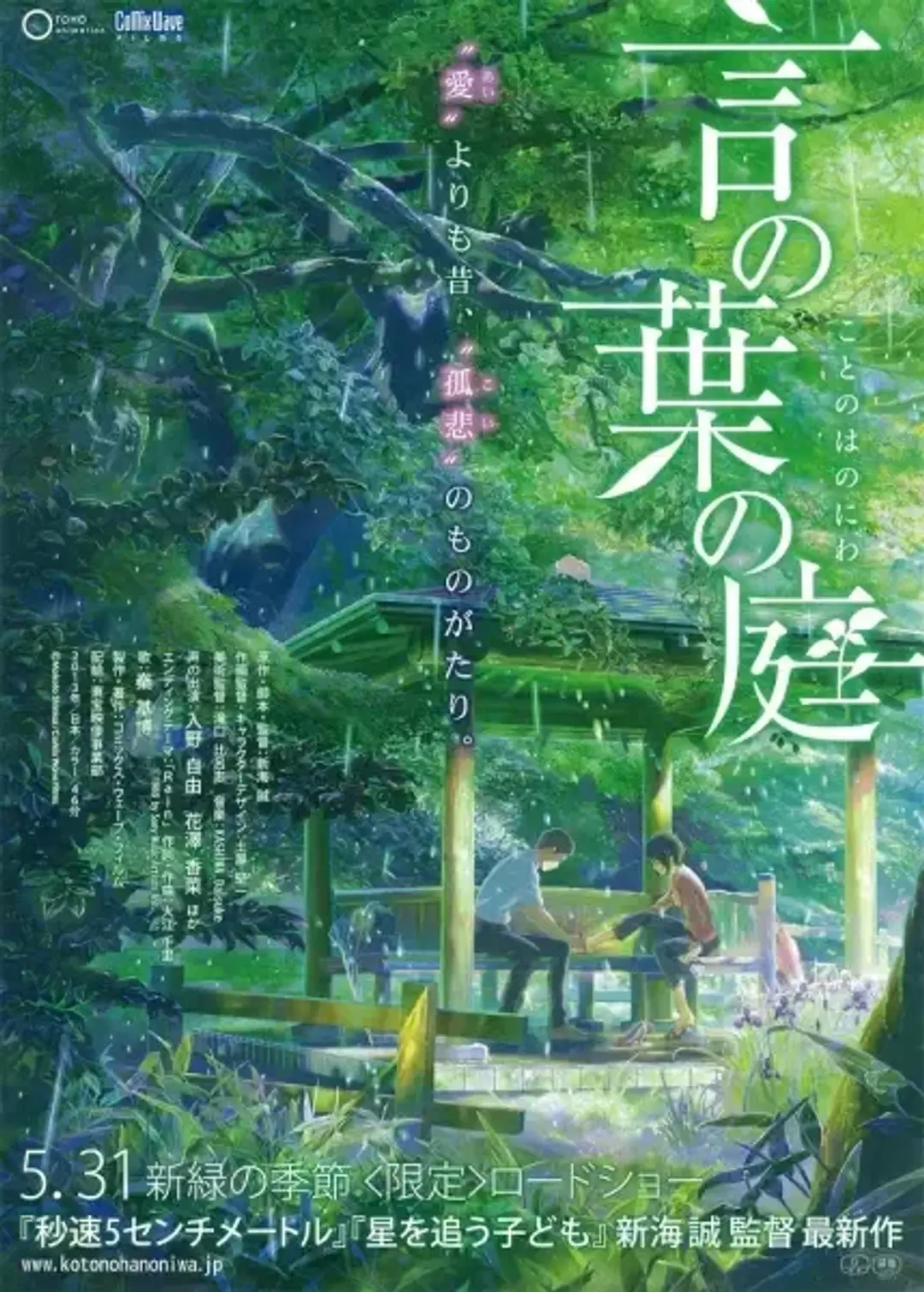
Makoto Shinkai’s "The Garden of Words" is a breathtaking masterclass in visual storytelling, showcasing an almost hyper-realistic dedication to environmental detail, particularly the nuanced depiction of rain and light. This singular film, at just 46 minutes, transcends its brevity through its meticulous animation, where every raindrop, every leaf, and every architectural reflection contributes to an immersive, almost tactile experience. It's a testament to how animation can elevate the mundane into the profoundly beautiful, creating a tangible sense of atmosphere that is rarely achieved.
Beyond its unparalleled visual artistry, the film offers a subtly profound exploration of loneliness, escapism, and the solace found in unexpected connections. The narrative, while sparse, masterfully communicates the internal worlds of its two protagonists through quiet moments, unspoken desires, and the evocative power of its setting. It's a deeply emotional piece that speaks volumes without needing overt exposition, relying instead on its stunning craft to convey its intricate themes of mentorship, growth, and the delicate dance of human relationships.
Gunbuster
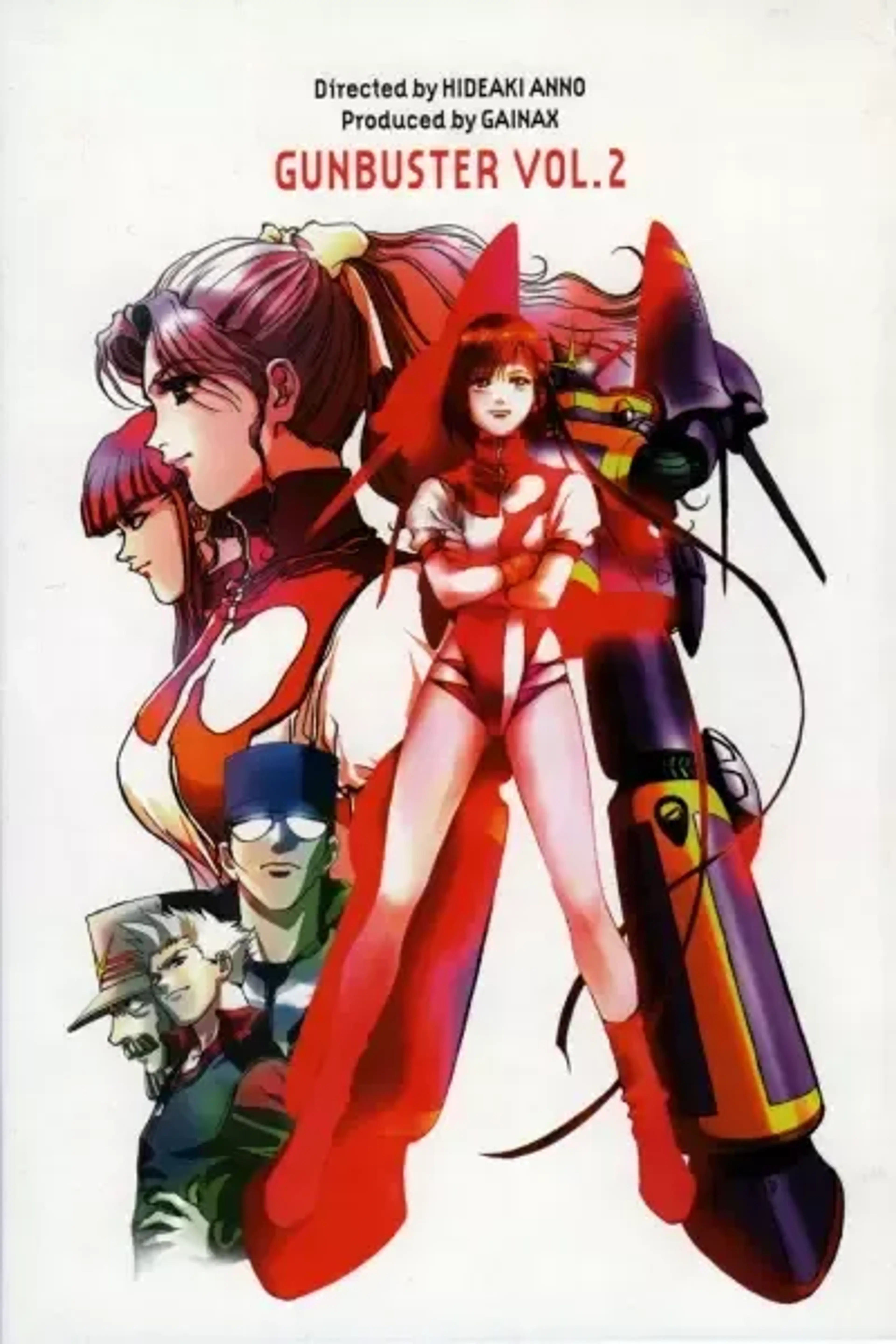
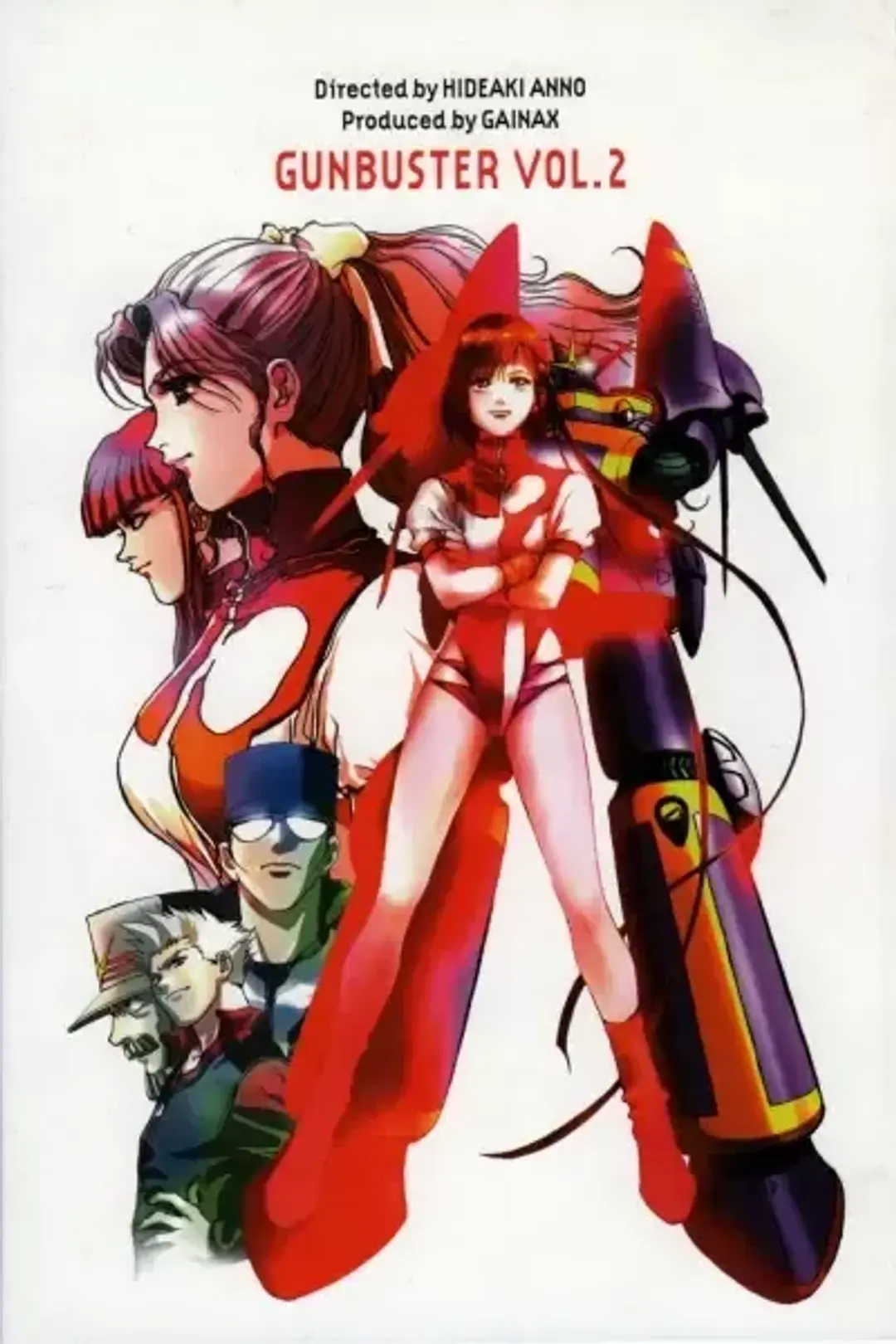
Hideaki Anno’s directorial debut, "Gunbuster," stands as a foundational pillar of the mecha genre, a testament to Gainax's early ambition and narrative prowess. Despite being a six-episode OVA series from the late 1980s, its animation quality, especially during its climactic space battles, was revolutionary for its time, demonstrating a dynamic sense of scale and impact that few could rival. It masterfully blends classic sci-fi tropes with an unexpectedly profound coming-of-age story, setting a precedent for complex character arcs within high-stakes mechanical warfare.
What truly elevates "Gunbuster" beyond a mere mecha spectacle is its exploration of sacrifice, the nature of courage, and the devastating effects of relativistic time dilation on human bonds. The series fearlessly delves into the emotional toll of interstellar war, culminating in an iconic black-and-white final episode that uses stripped-back visuals to amplify its powerful, emotionally charged conclusion. Its influence is undeniable, having shaped countless subsequent mecha series and remaining a benchmark for narrative ambition and thematic depth.
Lupin the Third: The Woman Called Fujiko Mine
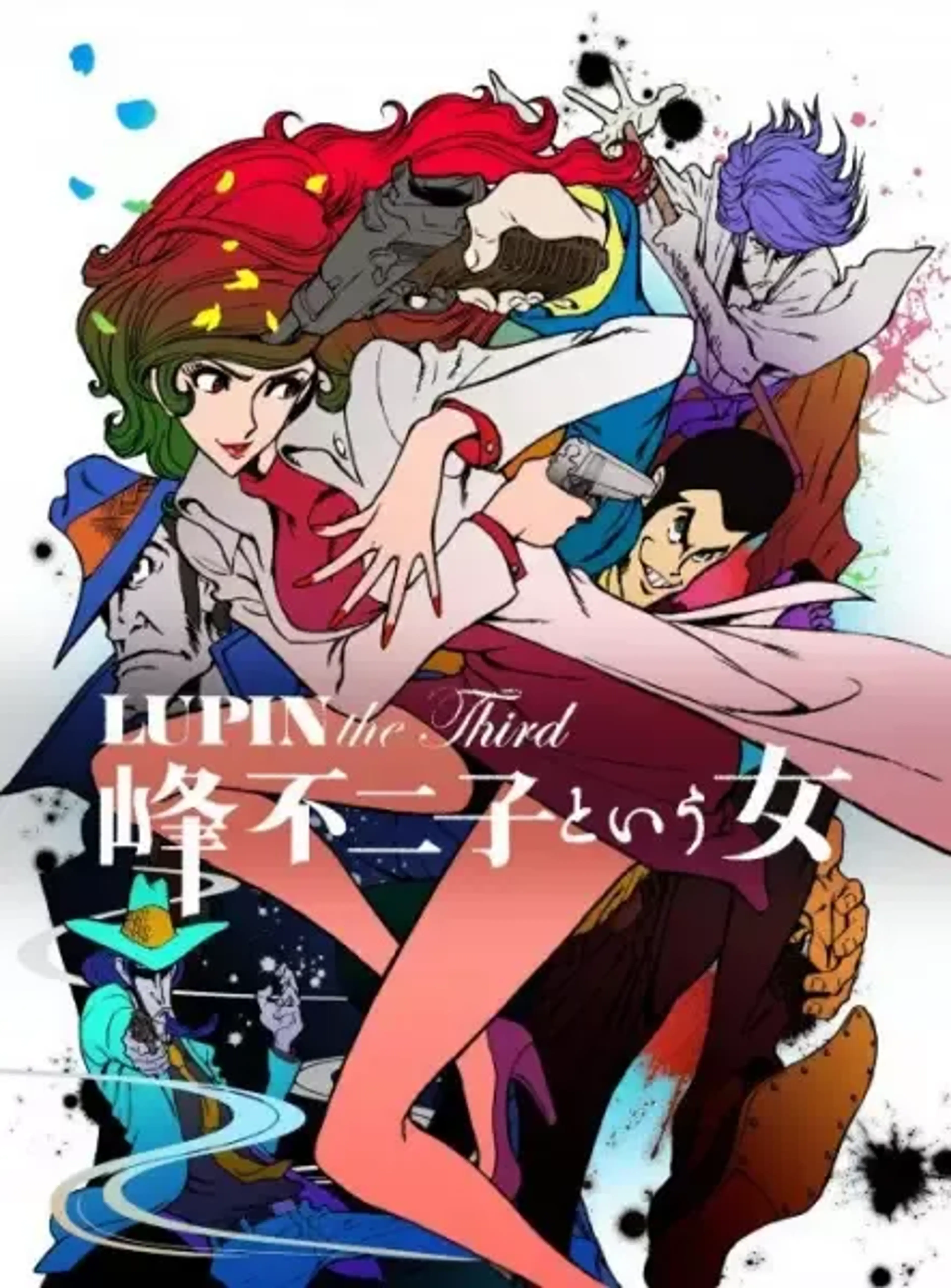
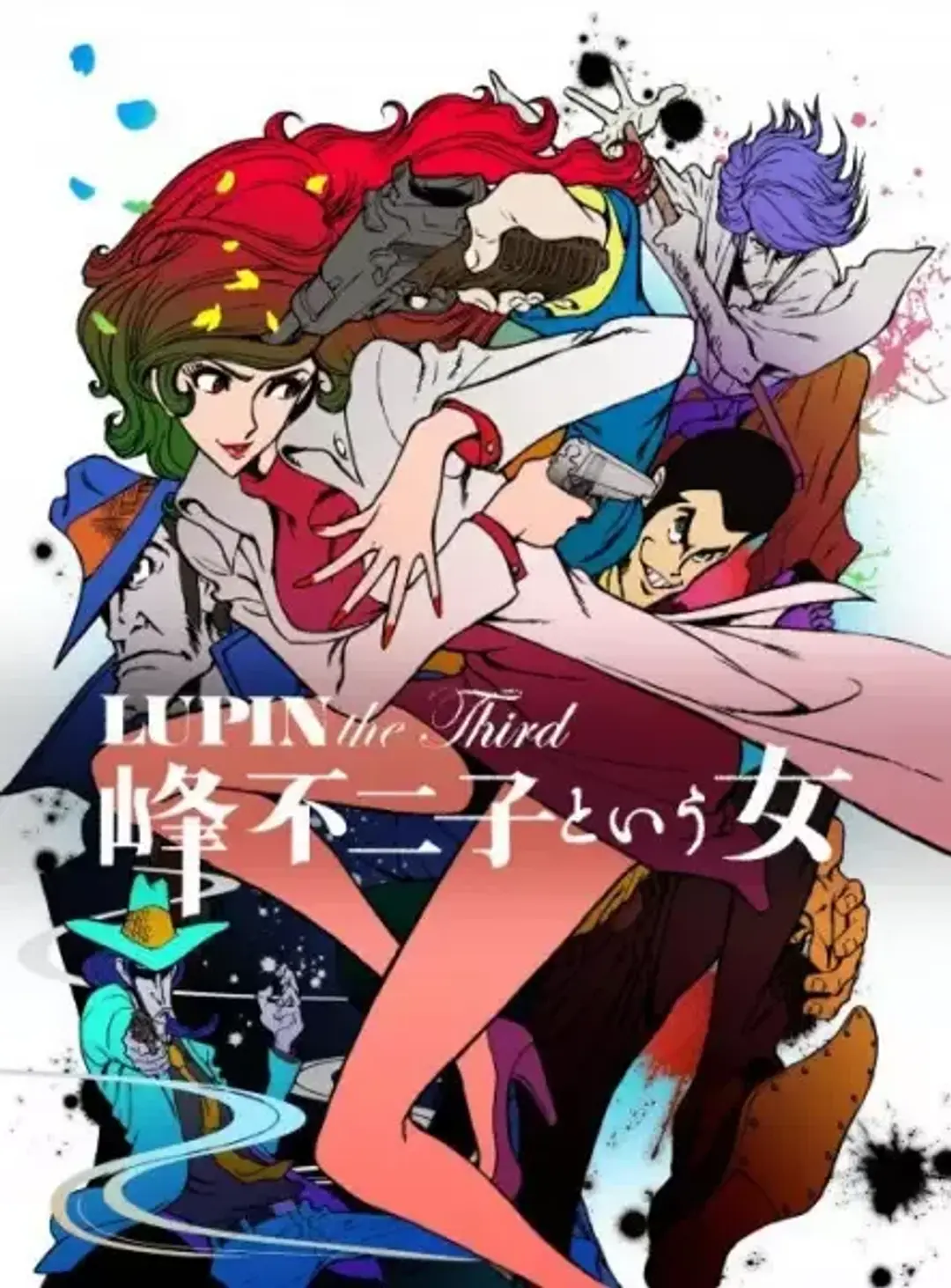
"Lupin the Third: The Woman Called Fujiko Mine" is a audacious reinvention of a classic franchise, distinguished by its mature themes, psychological complexity, and a strikingly unique art style that pays homage to 70s anime while forging its own distinct identity. This series eschews the lighthearted capers often associated with Lupin III, instead offering a darker, more introspective look into the enigmatic Fujiko Mine, delving deep into her psyche and motivations. Its visual aesthetic is a bold departure, utilizing rougher lines and a more pronounced chiaroscuro effect to craft an atmosphere of alluring danger and moral ambiguity.
The narrative is a labyrinthine exploration of desire, betrayal, and the elusive nature of identity, consistently challenging viewer expectations of the beloved characters. Each episode feels like a self-contained film noir, meticulously crafted to explore the nuances of power dynamics and sexuality through Fujiko's perspective. It stands as a compelling example of how a familiar property can be revitalized with a fearless commitment to artistic vision, delivering a sophisticated and provocative experience that appeals to those seeking depth and stylistic innovation within the crime genre.
Mind Game
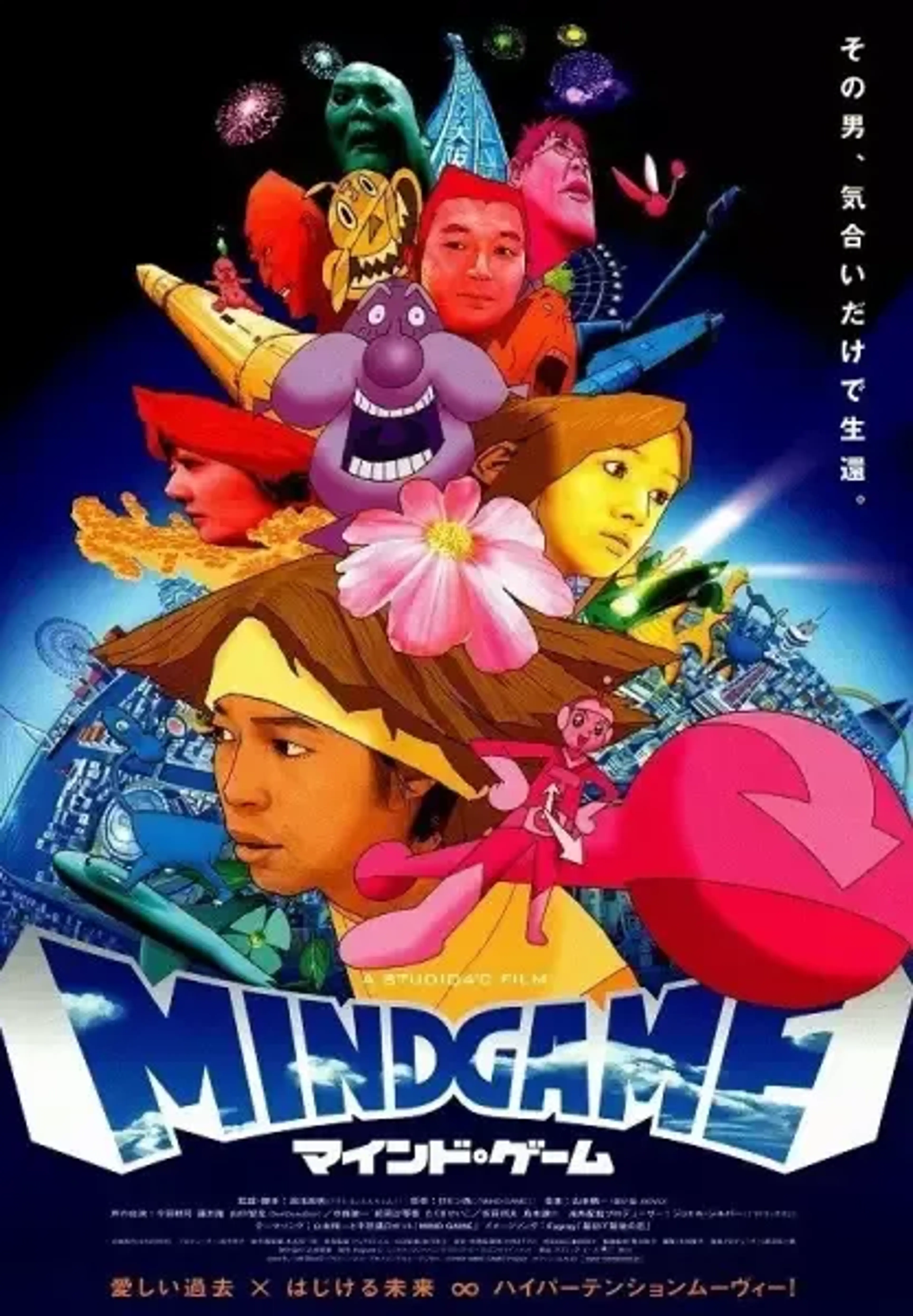
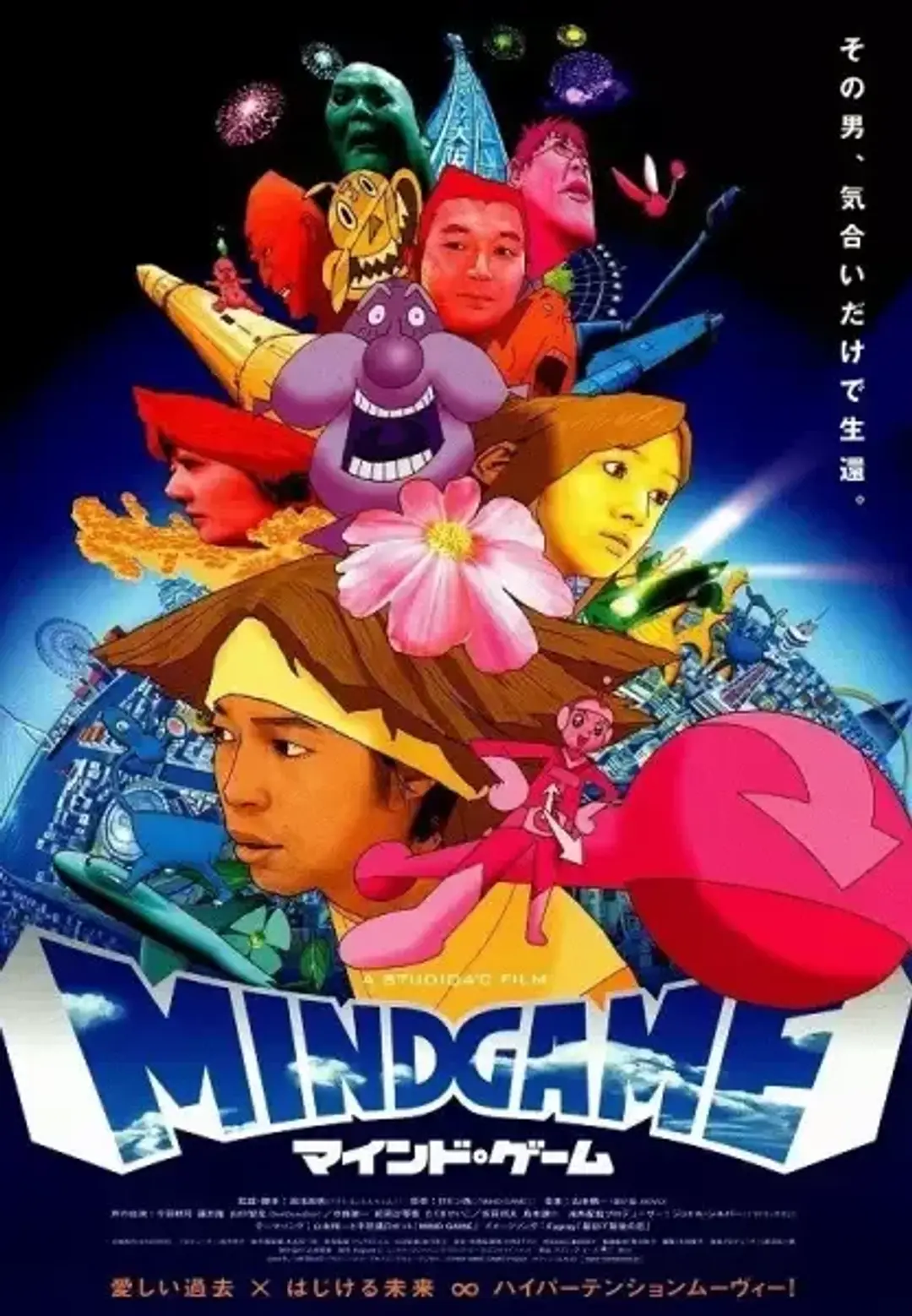
Masaaki Yuasa's "Mind Game" is a singularly audacious and visually anarchic animated feature that obliterates conventional cinematic grammar, inviting viewers into an unforgettable psychedelic journey. Its animation is a fluid, ever-shifting canvas of styles—from rotoscoping to abstract expressionism—that defies categorization and demands active engagement. This film is not merely experimental; it is a profound philosophical statement on life, death, and existence, delivered with a relentless creative energy that overwhelms the senses and challenges perception.
The narrative follows a seemingly ordinary man through an extraordinary, non-linear odyssey, grappling with his past, present, and potential futures in a manner that is both deeply personal and universally resonant. Yuasa’s masterful direction ensures that even amidst the visual chaos, a clear emotional core persists, driving home themes of regret, courage, and seizing the moment. "Mind Game" is a testament to animation's boundless capacity for abstract storytelling and existential inquiry, serving as a powerful reminder that the medium can be a vehicle for profound, mind-altering art.
Memories
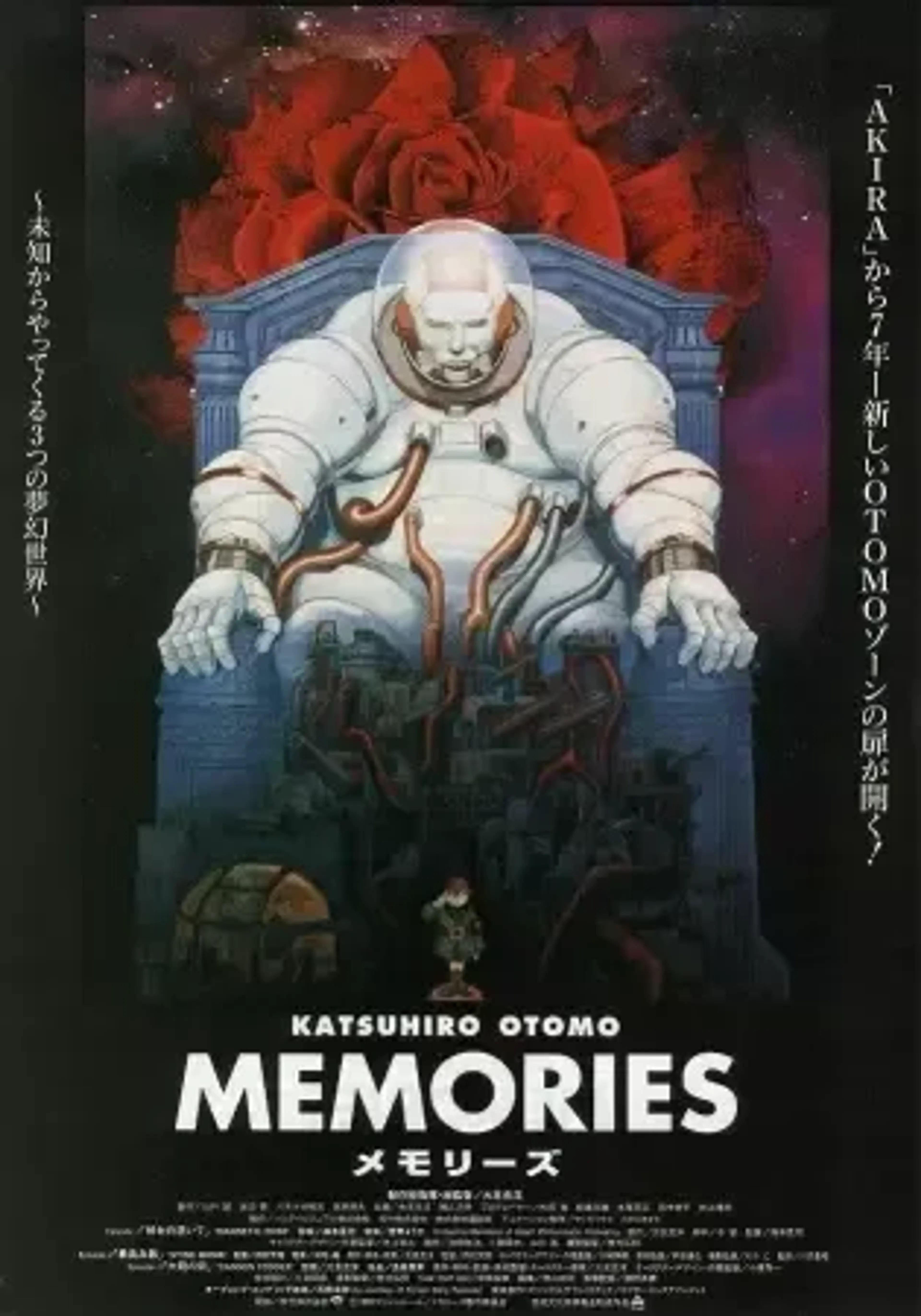
"Memories" is a quintessential anthology film, compiling three distinct short features by some of anime's most revered directorial talents: Katsuhiro Otomo, Koji Morimoto, and Tensai Okamura. Each segment showcases a unique genre and animation style, yet all are united by a consistently high standard of meticulous craft and narrative ambition. This collection serves as a powerful showcase for the versatility of the animated medium, demonstrating its capacity for profound science fiction, dark comedy, and socio-political commentary within a concise format.
From the haunting cosmic horror of Satoshi Kon's screenplay for "Magnetic Rose" to the visceral absurdity of "Stink Bomb" and the visually arresting, single-perspective narrative of "Cannon Fodder," "Memories" offers a diverse yet cohesive cinematic experience. The film not only highlights the individual brilliance of its creators but also collectively asserts anime's capability to deliver complex, thought-provoking stories with unparalleled artistic execution. It is a mandatory viewing for anyone seeking to understand the breadth of creative genius present in Japanese animation.
The titles presented today serve as crucial reminders that the anime landscape is far richer and more diverse than its most visible offerings suggest. These "hidden gems" are not merely niche interests; they are critically important works that have pushed the boundaries of animation, challenged narrative conventions, and left an indelible mark on the medium's evolution. Their dedication to craft, innovative storytelling, and thematic depth demand appreciation and thoughtful examination.
As Analytical Senpai, I urge you to seek out these masterpieces. To truly comprehend the artistry and expansive potential of anime, one must venture beyond the well-trodden paths and explore the intricate, often challenging, but ultimately rewarding worlds these creators have meticulously built. Only then can one fully grasp the profound impact and artistic integrity that defines the best of this incredible medium.
"To truly appreciate the artistry of anime, one must delve beyond the popular zeitgeist and uncover the meticulously crafted narratives that push the medium's boundaries." — Analytical Senpai
Related Blogs
View all →Unearthing Excellence: 5 Critically Acclaimed Anime You Need to See

Unleash Love's True Power: 5 Romance Anime You NEED to Discover!

Isekai's 2026: Why These 5 Are *Barely* Worth Your Time (Maybe)
Unleash the Hype! 5 Timeless Action Anime That Dominate in 2026!
Comments (0)
No comments yet. Be the first to share your thoughts!