Revisiting Underrated Wholesome Anime for Younger Audiences
The Analytical Senpai
Author
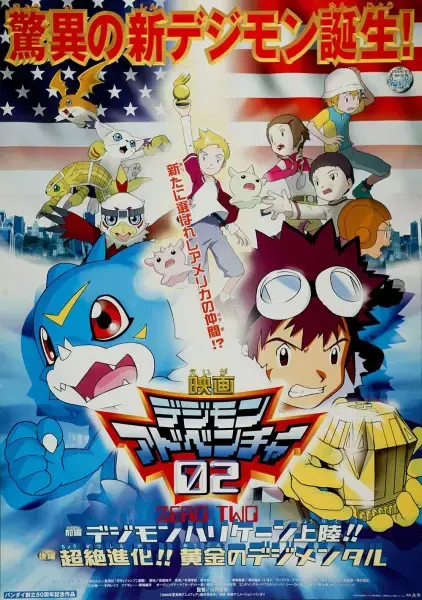
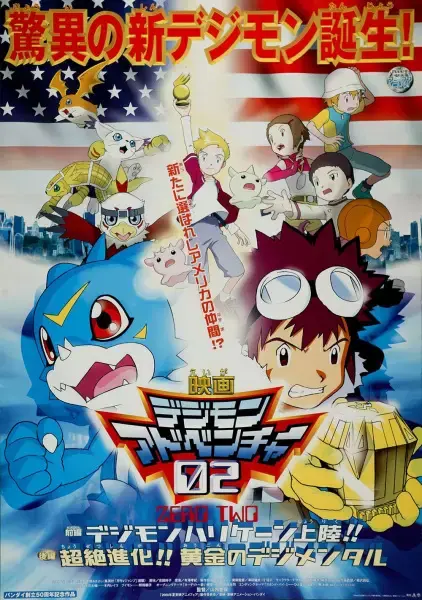
As we approach 2026, the ongoing discourse surrounding media for younger audiences has intensified, often sidelining a rich legacy of thoughtful, wholesome anime that transcends mere entertainment. These productions, frequently overshadowed by more contemporary blockbusters or fleeting trends, offer invaluable pedagogical narratives wrapped in accessible, engaging animation, deserving of a more discerning critical eye.
This analysis will illuminate seven such titles, delving into their understated narrative complexities, their often impressive — for their budget and era — animation efforts, and the enduring thematic resonance that makes them profoundly rewarding watches, even for adult connoisseurs of the medium.
Digimon Adventure 02 Movies
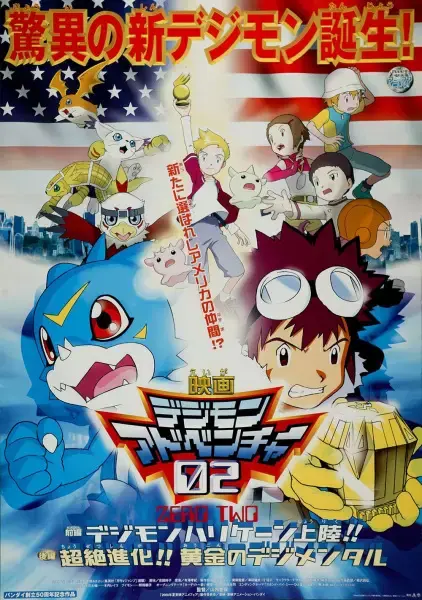
While often overshadowed by the original Adventure series and its direct sequel, the `Digimon Adventure 02 Movies`, specifically `Digimon Hurricane Touchdown! Supreme Evolution! The Golden Digimentals`, represent a fascinating tangent within the foundational Digimon meta-narrative. Despite the limited episode count (a mere two features), the directorial intent here shifts towards a more introspective character study, exploring themes of loss and connection through the lens of a classic children's adventure. The narrative courageously addresses emotional depth, a commendable undertaking for its target demographic.
Its score of 7.1 on MAL, while respectable, belies the film's significance as a pivotal moment for the 02 cast, allowing for unique character development that the television series, with its episodic demands, couldn't fully afford. The film's ambitious approach to a standalone story, rather than direct franchise continuation, positions it as an underrated masterclass in thematic execution within a beloved IP.
Metal Fight Beyblade 4D


`Beyblade: Metal Fury`, or `Metal Fight Beyblade 4D`, stands out in the long-running battle-toy franchise for its notably enhanced production values and a sprawling, universe-spanning narrative arc across its 52 episodes. Released in 2011, this season truly elevated the visual spectacle of the bey battles, often showcasing dynamic sakuga sequences during climactic spins and clashes. The character designs maintained their iconic appeal, but the environmental storytelling and heightened stakes pushed the series beyond its predecessors.
Despite its consistent 7.1 score, this particular installment often gets lost amidst the sheer volume of Beyblade iterations. Its well-structured seasonal plot, introduction of compelling antagonists, and the refined animation sensibilities for a long-running shonen series of its era make it a prime candidate for re-evaluation, demonstrating robust storytelling alongside its core merchandise appeal.
Danball Senki W
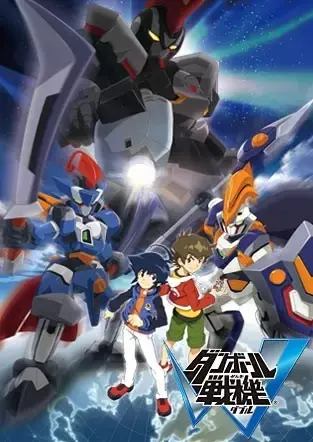
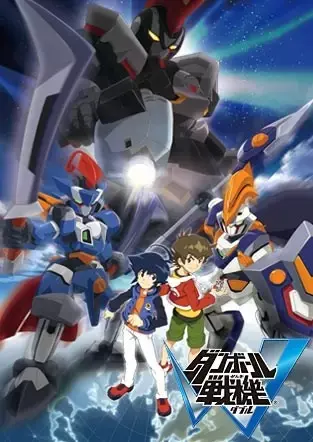
`LBX: Little Battlers eXperience Season 2`, known in Japan as `Danball Senki W`, continued the captivating premise of miniature fighting robots with a significant leap in narrative complexity and character ensemble. Debuting in 2012 for a formidable 58 episodes, this season meticulously builds upon its predecessor, expanding the world-building to global stakes. The animation, handled primarily by OLM, showcases surprisingly fluid motion for the LBX battles, blending CG models seamlessly with traditional 2D character work, a testament to the studio's technical prowess in long-form productions.
With a score of 7.08, this sequel often struggles to find its audience outside of dedicated mecha-toy enthusiasts. However, its sophisticated narrative progression, exploring themes of technology's dual nature and global conspiracy, positions it as an intellectually stimulating children's series. The consistent art direction and engaging character arcs make it a truly overlooked entry in the mecha-adjacent genre, demonstrating excellent long-form storytelling.
Daisuki! BuBu ChaCha
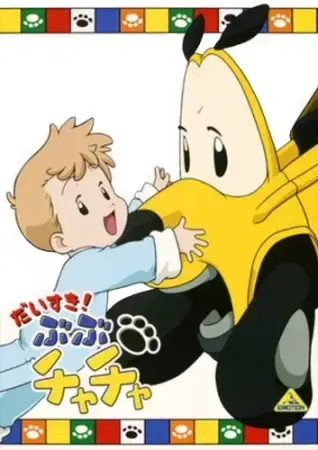
`I love BuBu ChaCha`, an early 2000s gem from 2001, presents a uniquely gentle narrative, unfolding like a serialized storybook across its 26 episodes. Produced by Studio Comet, known for its consistent output in children's programming, this series masterfully balances whimsical concept — a boy whose dog reincarnates as a toy car — with grounded emotional lessons. The art style is deliberately soft, employing a muted palette and rounded character designs that enhance its comforting, low-stakes appeal, focusing on everyday discovery rather than grand adventure.
Its 7.05 score indicates a quiet appreciation, yet `BuBu ChaCha` remains largely uncelebrated in wider anime discussions. The series' strength lies in its profound exploration of grief, friendship, and the imaginative world of a child, all delivered with an understated narrative elegance. It serves as an excellent example of how animation can tackle complex emotional themes with delicate nuance for a very young audience, a craft often underestimated.
Doraemon Movie 20: Nobita no Uchuu Hyouryuuki
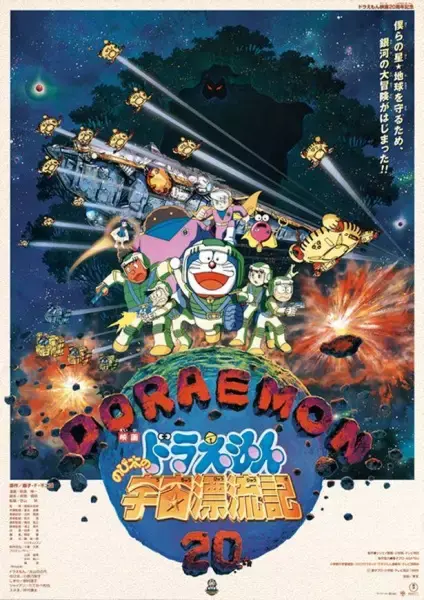
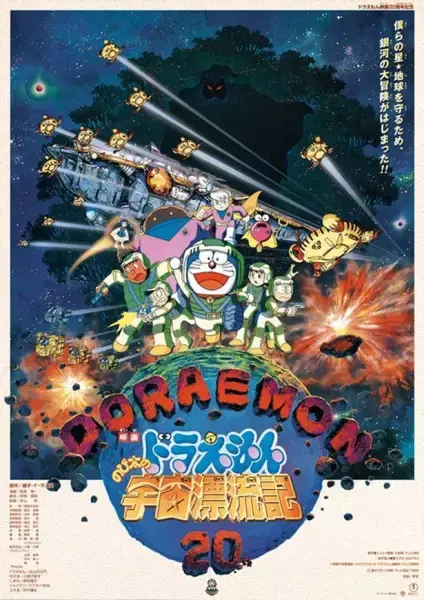
The `Doraemon` franchise boasts an extensive catalog of feature films, and `Nobita Drifts in the Universe` from 1999 (Movie 20) is a prime example of its consistent narrative quality and expansive world-building. Though its specific release year isn't highlighted in some databases, its intricate science-fiction premise, involving accidental space travel and encounters with alien civilizations, showcases the inventive storytelling that defines the brand. The film leverages classic Doraemon gadgets for problem-solving within a high-stakes scenario, balancing humor with genuine peril.
At a 7.07 score, this particular film, like many standalone `Doraemon` movies, often gets lost in the sheer volume of its prolific output. However, its exceptional blend of exploratory adventure, moral lessons about prejudice and cooperation, and surprisingly detailed alien designs makes it a standout entry. It demonstrates the enduring strength of the `Doraemon` formula to deliver compelling, standalone cinematic experiences that are both entertaining and thoughtfully constructed for family audiences.
Houkago no Breath
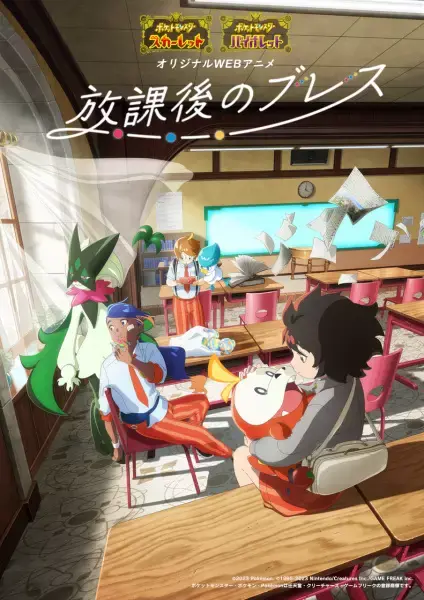
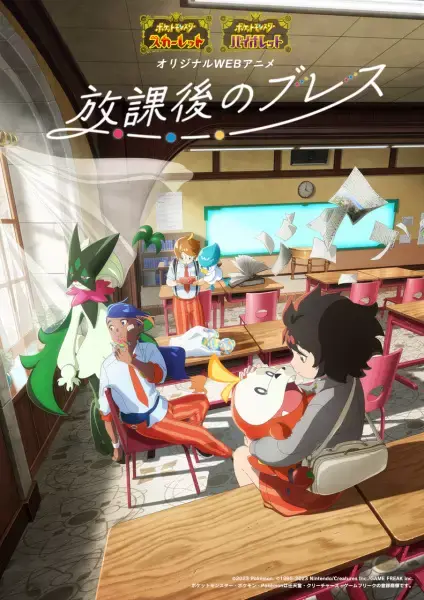
`Pokémon: Paldean Winds`, or `Houkago no Breath`, despite its brevity with only four episodes, represents a focused and high-quality supplementary animation effort within the colossal Pokémon IP. These shorts, released to promote the Paldea region games, leverage the strength of modern animation techniques, showcasing fluid character animation and vibrant art direction. The narrative craft here is tight, concentrating on character interactions and the spirit of academic competition within the Pokémon universe, moving beyond typical monster-of-the-week battles.
With a score of 7.06, these shorts are often overlooked as mere promotional material rather than standalone narrative achievements. Yet, their concise storytelling, excellent production values, and ability to deepen the lore and character dynamics of the Paldea region in such a short runtime are commendable. They offer a refreshing glimpse into the everyday lives of trainers and students, showcasing the nuanced world-building that the main series sometimes struggles to capture effectively across its longer runtimes.
Tottoko Hamtarou
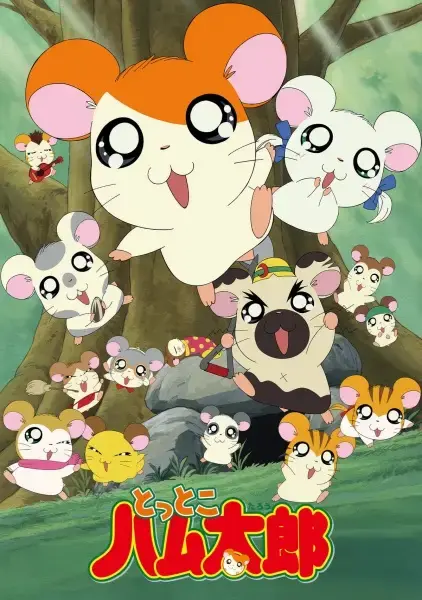
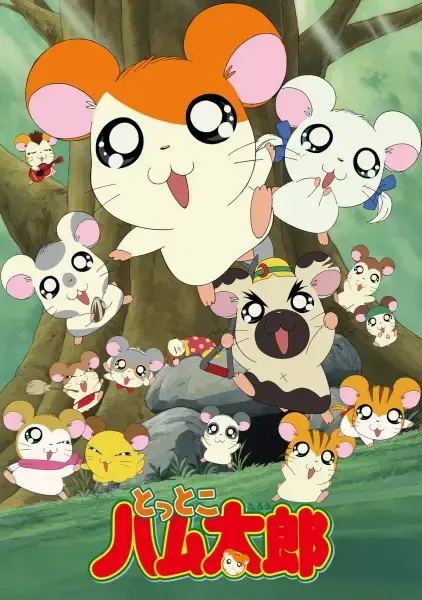
`Hamtaro`, or `Tottoko Hamtarou`, is an iconic yet often understated long-running series from 2000, spanning an impressive 296 episodes. Produced by TMS Entertainment, a studio renowned for its foundational contributions to anime, the series masterfully crafts a micro-world from a hamster's perspective. The character designs are deliberately simple yet expressive, allowing for a vast ensemble cast of unique personalities. The episodic structure, focused on small-scale adventures and problem-solving within Hamtaro's human owner's home and garden, demonstrates exceptional consistency in narrative tone and art direction over its extensive run.
Despite its massive episode count and a respectable 7.03 score, `Hamtaro` frequently gets categorized merely as a 'cute animal show,' overlooking its sophisticated approach to childhood anxieties, friendship dynamics, and gentle comedic timing. Its enduring popularity and meticulous world-building within a seemingly simple premise position it as an underrated example of how a consistent, wholesome narrative can sustain itself for nearly 300 episodes without sacrificing its core thematic integrity. It's a testament to effective long-form children's programming.
These seven titles merely scratch the surface of the thoughtful, wholesome anime that deserve deeper appreciation. Their commitment to strong narrative craft, often with commendable animation given their constraints, and enduring thematic resonance makes them invaluable contributions to children's media. We encourage you, our discerning readers, to revisit these or share your own overlooked gems in the comments below.
Stay tuned to Anime Deluxe for more analytical deep dives into anime's rich and varied tapestry, from groundbreaking sakuga to hidden narrative treasures.
"A truly analytical mind understands that profundity is not exclusive to high-octane battle shonen; it flourishes equally in the quiet corners of a hamster's world or a child's imagination." — The Analytical Senpai
Related Blogs
View all →
Still Worth Watching? 5 Supernatural Anime That *Actually* Hold Up (Even in 2026)
Unravel Top 5 Short Mystery Anime: Perfect Weekend Binge Watches

2026's Top 5 Mystery Anime: Are They Worth Your Cynical Gaze?
Shoujo Scarcity? These 7 Unlikely Anime Deliver the Feels
Comments (0)
No comments yet. Be the first to share your thoughts!