Hidden Gems: 7 Wholesome Kids Anime You're Missing Out On
The Analytical Senpai
Author
In the sprawling landscape of Japanese animation, titles aimed at younger audiences often face a critical dilemma. They are frequently dismissed as mere commercial vehicles, or their artistic merits are overshadowed by more 'mature' fare. However, a deeper analytical gaze reveals that many wholesome kids' anime exhibit sophisticated narrative structures, nuanced character writing, and often, pioneering animation techniques that warrant serious academic consideration. As we approach 2026, a re-evaluation of these formative works becomes imperative to understand the foundational elements that shaped broader animation trends.
This examination delves into seven such productions, each a testament to meticulous craft, thematic richness, and genuine heart. These are not merely 'good for kids' shows; they are exemplar pieces of storytelling that, despite their often lower average scores or obscurity, stand as robust examples of animation's capacity for profound impact across generations.
Bosco Adventure
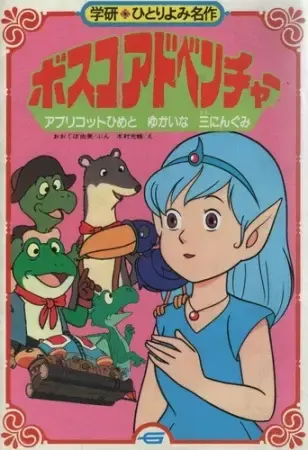
Released in 1986, *Bosco Adventure* presents a compelling journey narrative centered around Princess Apricot's quest to protect the Fountain of Life. Produced by Nippon Animation, a studio renowned for its 'World Masterpiece Theater' series, this 26-episode production demonstrates a remarkable commitment to character progression and world-building that elevates it beyond a typical Saturday morning cartoon. Its consistent visual direction and fluid character animation for the era (average score 7.09) illustrate a dedication to craft, making the unfolding of each challenge and character interaction genuinely engaging.
What renders *Bosco Adventure* particularly underrated is its nuanced portrayal of environmentalism and responsibility, themes woven organically into its high-stakes adventure. It possesses a narrative depth and visual charm that, while perhaps out of the contemporary spotlight, holds up exceptionally well, offering more than just simplistic morality tales.
Youkai Watch Movie 1: Tanjou no Himitsu da Nyan!
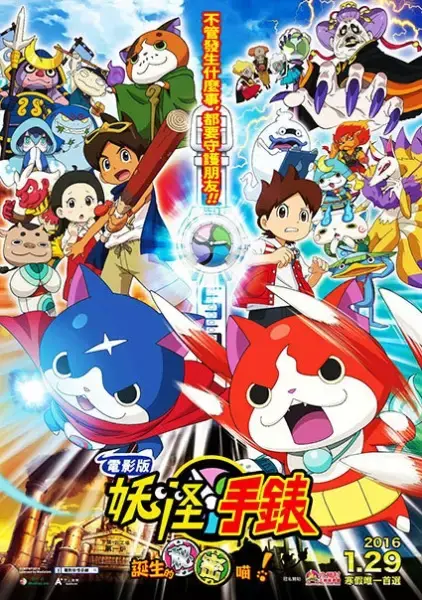
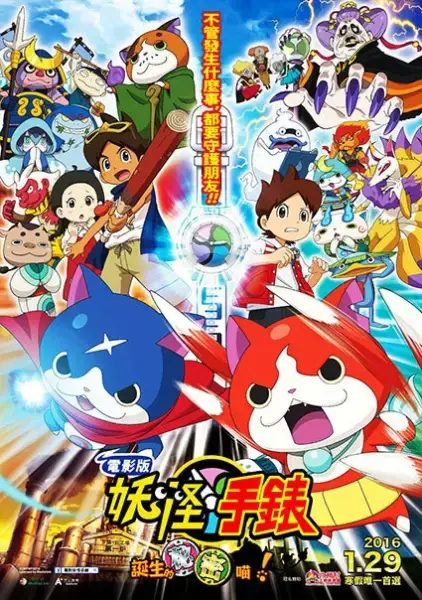
*Yo-kai Watch the Movie: It's the Secret of Birth, Meow!* (score 7.09) stands as a significant cinematic extension of the popular franchise, offering a unique temporal adventure that delves into the origins of Nate and Whisper's bond. As a standalone feature film, it leverages the expanded budget and runtime to deliver heightened animation sequences and more intricate narrative arcs than its television counterpart. The visual expressiveness, particularly in the diverse Youkai designs and dynamic action set pieces, underscores a commitment to translating the property's vibrant appeal onto the big screen.
Often perceived merely as an ancillary product to the games, this film's contribution to the franchise's lore and its sophisticated exploration of friendship and memory elevate it. It provides a deeper, more emotionally resonant experience that transcends the usual expectations for a children's movie, making it a pivotal yet frequently overlooked entry.
Doraemon: Kaette Kita Doraemon


The singular OVA, *Doraemon: Doraemon Comes Back* (score 7.11), is a masterclass in concise, emotionally resonant storytelling. Despite its brevity as a one-episode special, this production delivers a poignant exploration of loss, the acceptance of change, and the enduring power of friendship within the established Doraemon universe. The narrative craft here is exceptionally tight, eschewing superficiality for a profound emotional impact that few short-form animated works achieve, relying heavily on character reactions and subtle visual cues to convey its message.
Within the vast corpus of Doraemon content, this particular special is often overshadowed by longer movies or episodic adventures. However, its thematic weight and masterful execution of a bittersweet farewell make it an essential, albeit frequently unacknowledged, piece for understanding the true heart of Nobita and Doraemon's bond.
Nintama Rantarou
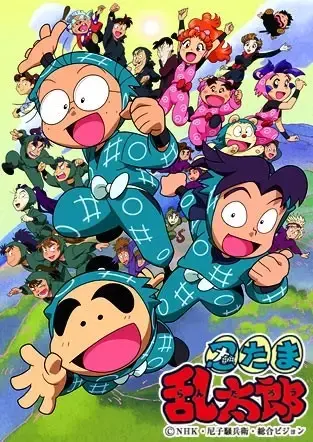
Debuting in 1993, *Ninjaboy Rantaro* (score 7.11) has cemented its place as a cornerstone of long-running children's comedy, offering an endless array of slapstick and clever situational humor rooted in its ninja academy setting. The series' enduring appeal lies in its consistent character dynamics, inventive gag animation, and an inherent understanding of comedic pacing across its multitudinous episodes. Its ability to maintain a fresh comedic voice over decades is a testament to its robust narrative structure and flexible premise.
While its ubiquity in Japan is undeniable, *Ninjaboy Rantaro* remains largely a cult classic internationally, often overlooked in discussions of influential children's anime. Its sustained quality and subtle thematic explorations of effort, friendship, and resilience, presented through a distinctly Japanese comedic lens, are profoundly underrated.
Doraemon Movie 16: Nobita no Sousei Nikki
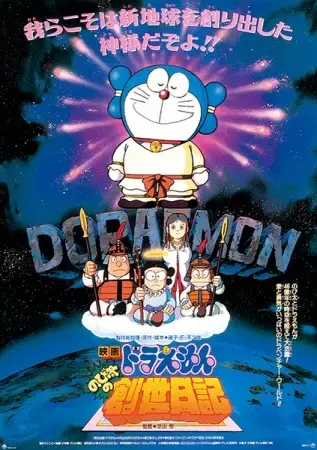
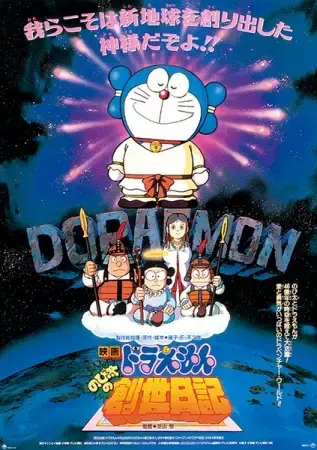
*Doraemon the Movie: Nobita's Diary of the Creation of the World* (score 7.05) is an ambitious venture that sees Nobita and friends literally creating their own miniature Earth. This film stands out for its imaginative premise, seamlessly blending scientific concepts (albeit simplified) with ethical dilemmas concerning creation and responsibility. The animation effectively conveys the grand scale of their endeavor, from primordial soup to complex ecosystems, demonstrating a keen eye for visual storytelling within a fantastical context.
This particular Doraemon movie delves into surprisingly profound philosophical territory for a children's film, questioning humanity's role as stewards of the planet. Its blend of adventurous escapism with a subtle, thought-provoking narrative about environmental ethics makes it a significantly underrated entry in the franchise, deserving of closer thematic analysis.
Doraemon Movie 20: Nobita no Uchuu Hyouryuuki
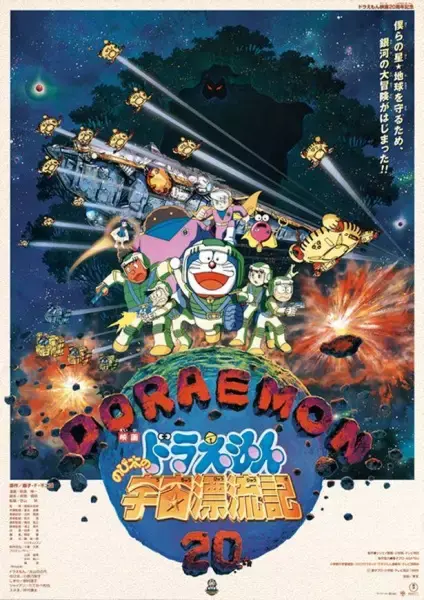
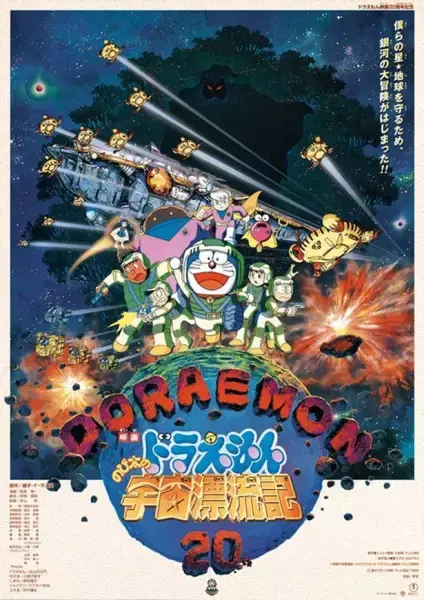
*Doraemon the Movie: Nobita Drifts in the Universe* (score 7.07) launches the familiar cast into a classic space opera adventure, showcasing a departure from Earth-bound shenanigans. This installment excels in its expansive sci-fi world-building, introducing diverse alien species and cosmic phenomena with a visual flair that pushes the boundaries of the franchise's traditional animation. The film crafts a compelling narrative of survival and discovery, effectively leveraging the grandiosity of space to amplify character stakes and exploration.
While often grouped with other Doraemon features, *Nobita Drifts in the Universe* distinguishes itself through its genre-specific narrative rigor and impressive visual scale. Its adventurous spirit and well-executed homage to classic space epics make it a frequently overlooked gem that offers more than just formulaic comfort, meriting recognition for its unique contribution.
Houkago no Breath
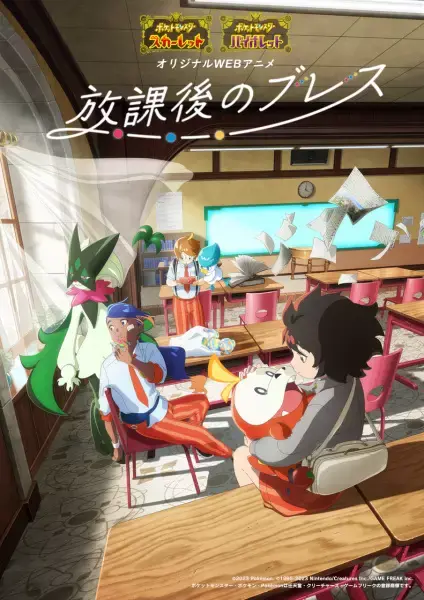
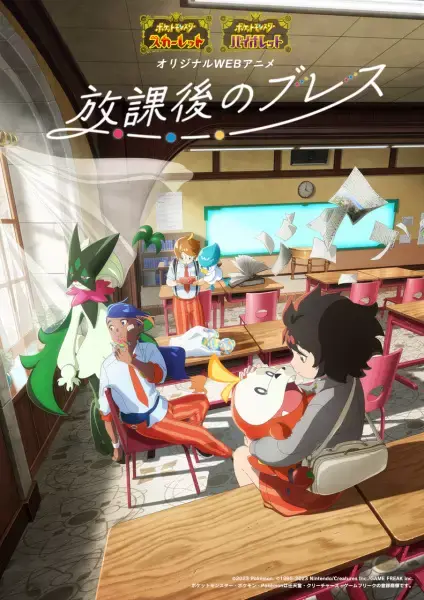
*Pokémon: Paldean Winds*, or *Houkago no Breath* (score 7.06), is a short yet remarkably polished ONA series that serves as an excellent companion piece to the *Pokémon Scarlet and Violet* games. Across its concise four episodes, the animation showcases modern sakuga principles, featuring dynamic character acting and fluid combat sequences that are a step above many direct-to-web productions. The narrative focuses on character-driven stories within the Paldea Academy, providing a grounded, relatable perspective on the world of Pokémon trainers without the usual hero's journey epic.
As an ONA, *Paldean Winds* often flies under the radar compared to the main TV series or full-length movies. However, its exceptional animation quality, focused narrative, and mature yet wholesome exploration of aspirations and challenges make it a standout. It proves that even productions tied to game promotion can achieve significant artistic merit and narrative depth.
The analysis of these seven titles underscores a crucial point: the 'wholesome kids' anime category is far from homogenous or artistically barren. Each production, whether a decades-old adventure or a modern short series, exemplifies specific strengths in narrative construction, character development, and animation execution that demand recognition beyond their target demographic. We invite our discerning readership to engage with these often-unsung heroes of the medium and, perhaps, share their own overlooked wholesome treasures in the comments below.
Stay tuned to Anime Deluxe for more deep dives into the nuanced world of anime, from thematic explorations of shonen to the directorial brilliance behind specific mecha works.
"True insight comes not from observing the celebrated, but from unearthing the overlooked narratives that quietly define the essence of animation." — The Analytical Senpai
Related Blogs
View all →
Still Worth Watching? 5 Supernatural Anime That *Actually* Hold Up (Even in 2026)
Unravel Top 5 Short Mystery Anime: Perfect Weekend Binge Watches

2026's Top 5 Mystery Anime: Are They Worth Your Cynical Gaze?
Shoujo Scarcity? These 7 Unlikely Anime Deliver the Feels
Comments (0)
No comments yet. Be the first to share your thoughts!