Blog Post•Apr 17, 2026
Enduring Excellence: 5 Award-Winning Anime Classics for 2026
T
The Analytical Senpai
Author
In the ever-evolving landscape of animation, true masterpieces distinguish themselves not merely by initial acclaim, but by their sustained relevance. As we approach 2026, it is imperative to revisit works that have not only garnered significant recognition but continue to offer profound artistic and thematic depth, proving their timeless quality. These are the narratives that transcend fleeting trends, embodying peak craftsmanship and visionary storytelling.
Our focus today is on five such cinematic achievements. Each film, a recipient of critical adoration and often industry accolades, exemplifies an unwavering commitment to animation as an art form. We will delve into how their intricate construction, character development, and narrative ambition ensure their enduring appeal, inviting new generations to appreciate their genius.
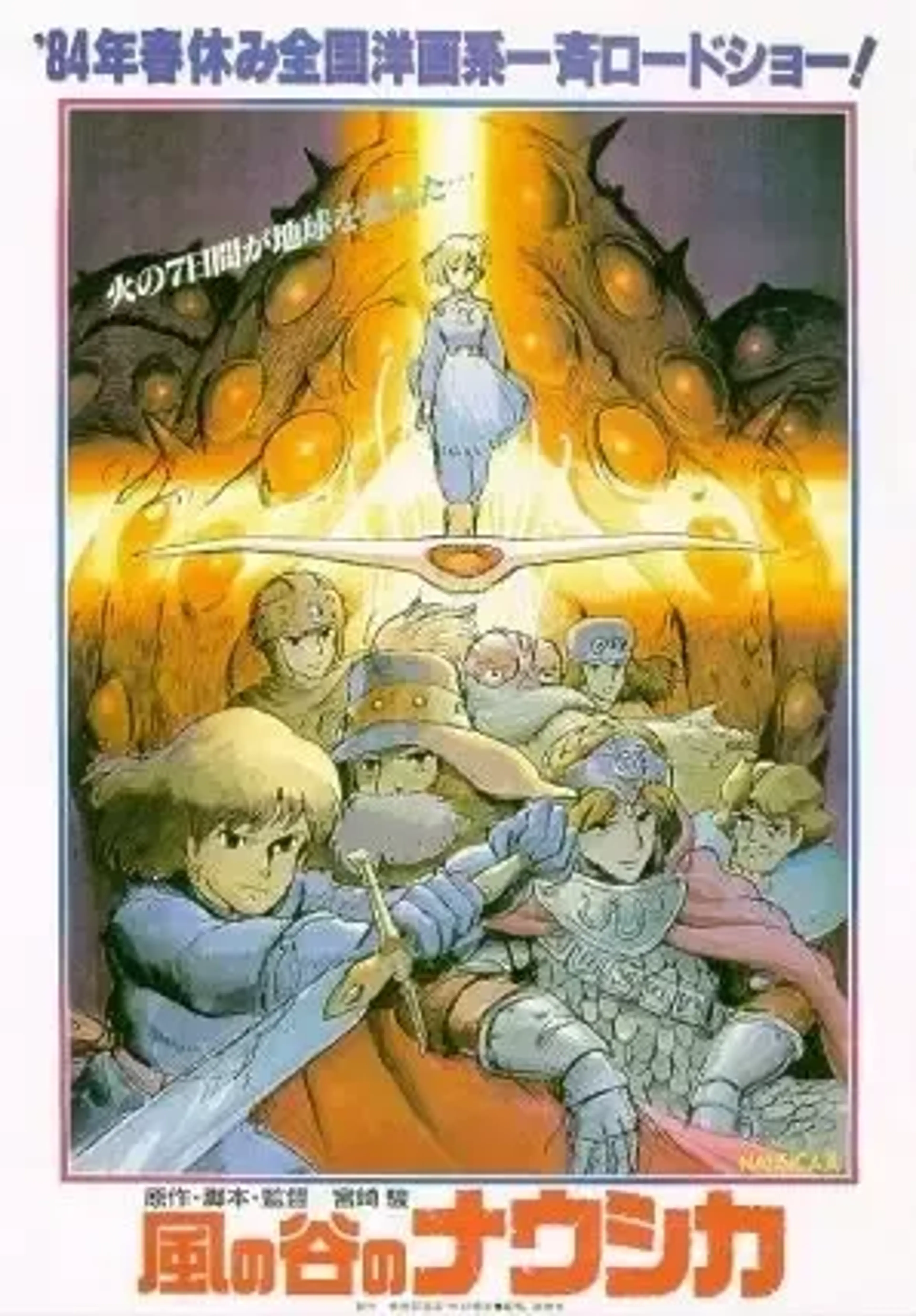
Kaze no Tani no Nausicaä
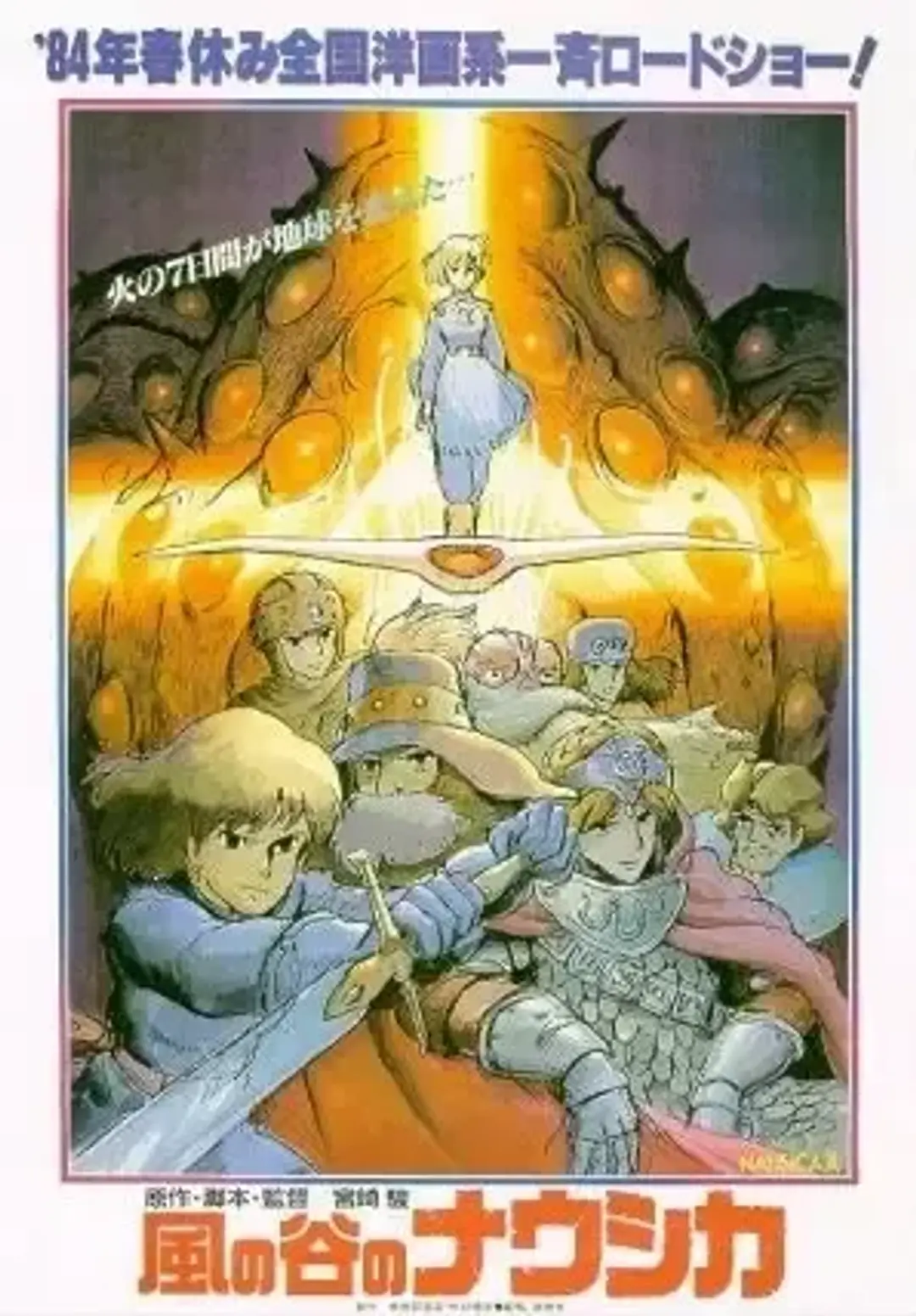
Hayao Miyazaki's seminal work, "Nausicaä of the Valley of the Wind," remains a monumental achievement in animation, its thematic resonance only growing stronger with environmental concerns. The film's meticulous hand-drawn animation brings to life a desolate yet beautiful post-apocalyptic world, showcasing a level of detail in creature design, machinery, and vast landscapes that set a new benchmark for the industry. Its craft is evident in every frame, from the fluid motion of Nausicaä's glider to the terrifying grandeur of the Ohmu.
Beyond its visual splendor, the depth of "Nausicaä" lies in its complex exploration of humanity's relationship with nature, war, and coexistence. Nausicaä herself is a paragon of empathy and understanding, a nuanced protagonist whose journey challenges simplistic notions of good and evil. The film's philosophical underpinnings and its prescient warnings about ecological destruction ensure its narrative power remains undiminished, cementing its status as an enduring classic.
Sennen Joyuu
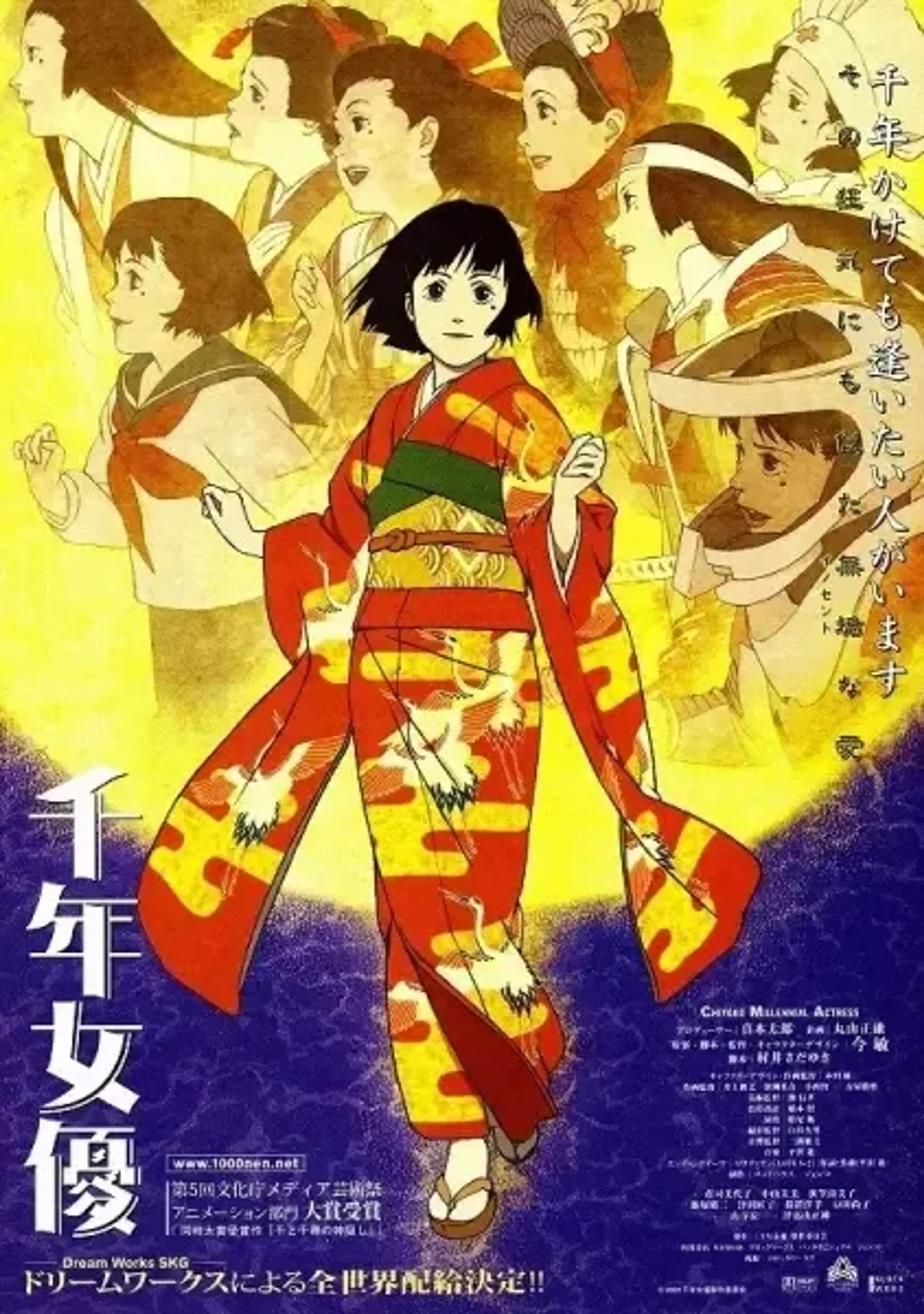
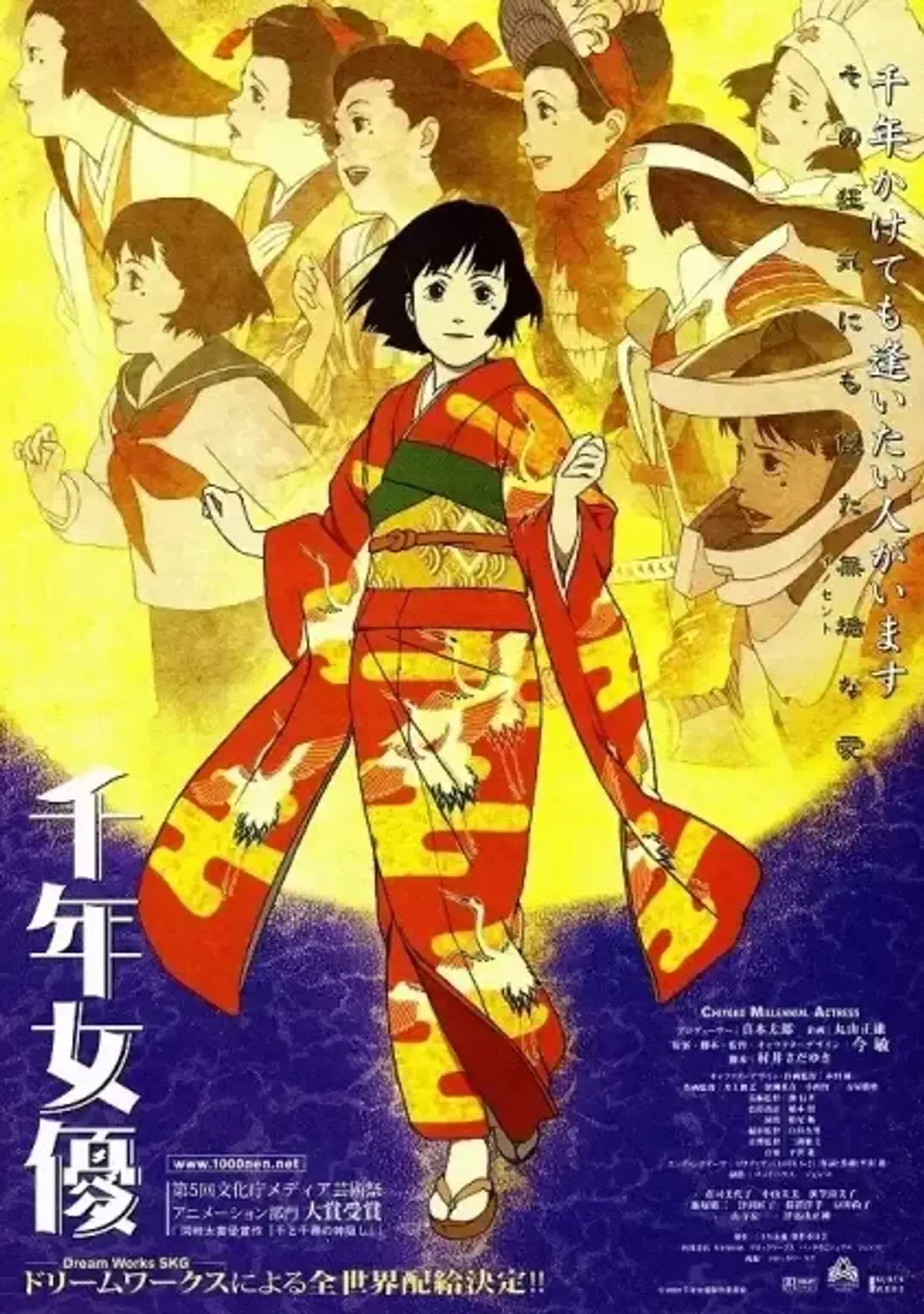
Satoshi Kon's "Millennium Actress" is a dazzling display of narrative innovation, blurring the lines between reality, memory, and cinema in a way that few films, animated or live-action, have managed. Its craft is a masterclass in editing and visual transitions, seamlessly weaving through different eras and film genres as it recounts the life story of retired actress Chiyoko Fujiwara. The fluidity of its scene changes, often initiated by a single prop or movement, is a testament to Kon's genius for visual storytelling.
The depth of "Millennium Actress" resides in its poignant exploration of memory, passion, and the pursuit of an elusive dream. Chiyoko's life, dedicated to a singular quest, becomes a metaphor for the human experience of striving, longing, and the profound impact of love and art. The film's introspective quality, combined with its stunning cinematic execution, makes it a richly rewarding experience that continues to reveal new layers upon re-watch, solidifying its place as an anime milestone.
Kaguya-hime no Monogatari


Isao Takahata's "The Tale of the Princess Kaguya" is a breathtaking departure from conventional animation aesthetics, embracing a watercolor-esque, minimalist style that feels both ancient and utterly fresh. The film's visual craft is extraordinary, utilizing expressive lines and soft hues to convey emotion and character with unparalleled sensitivity. Each brushstroke is deliberate, lending a painterly quality that elevates the visual experience into pure art, capturing the ethereal beauty and transient nature of its subject.
Beneath its unique aesthetic lies a deeply moving and tragic narrative rooted in Japanese folklore, exploring themes of freedom, societal expectations, and the fleeting joy of earthly life. Princess Kaguya's struggle for self-determination resonates powerfully, offering a profound commentary on human desire and connection. The film's emotional depth, combined with its groundbreaking visual language, ensures its timeless appeal and continued relevance as a testament to animation's capacity for profound artistic expression.
Cardcaptor Sakura Movie 2: Fuuin Sareta Card
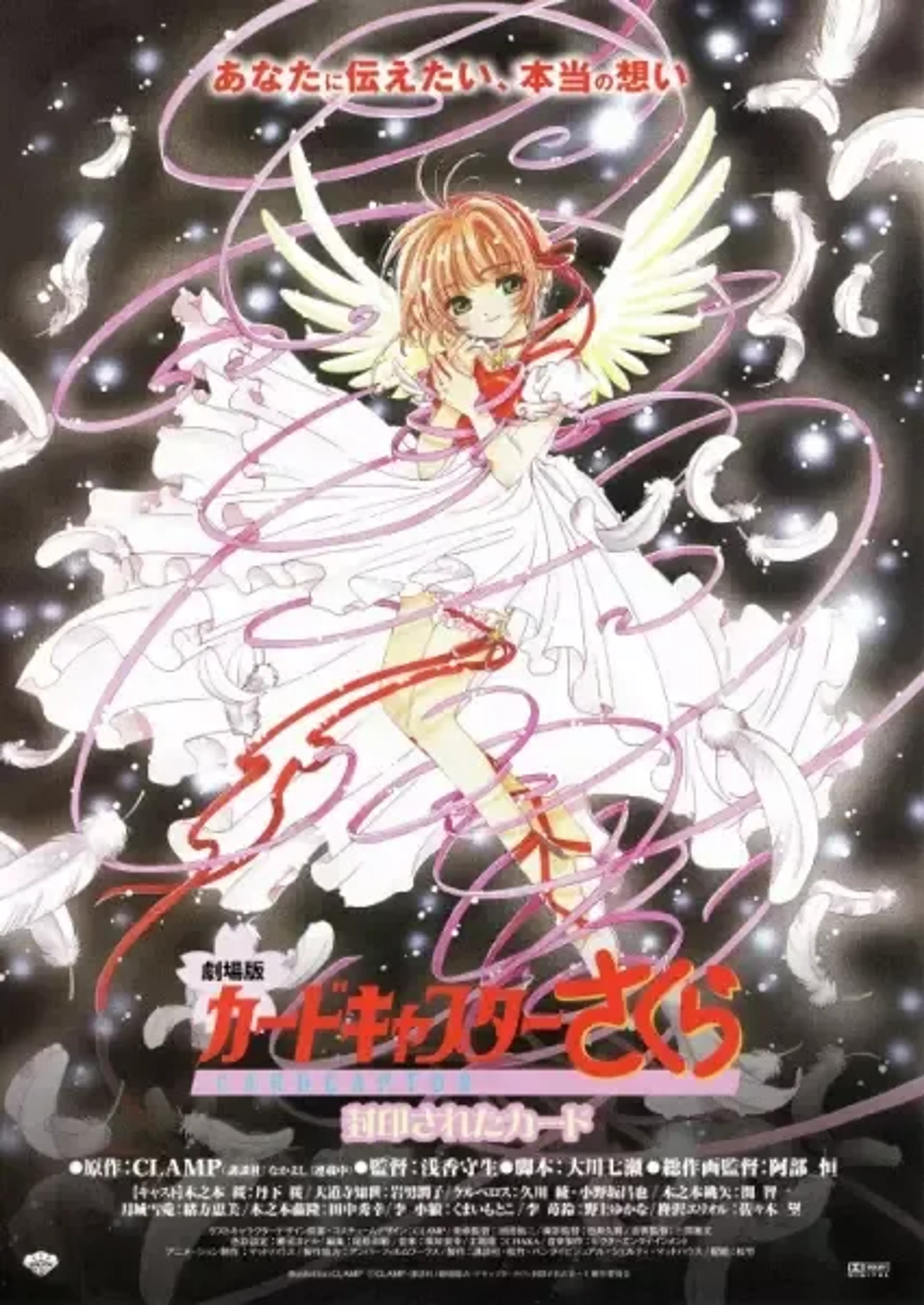
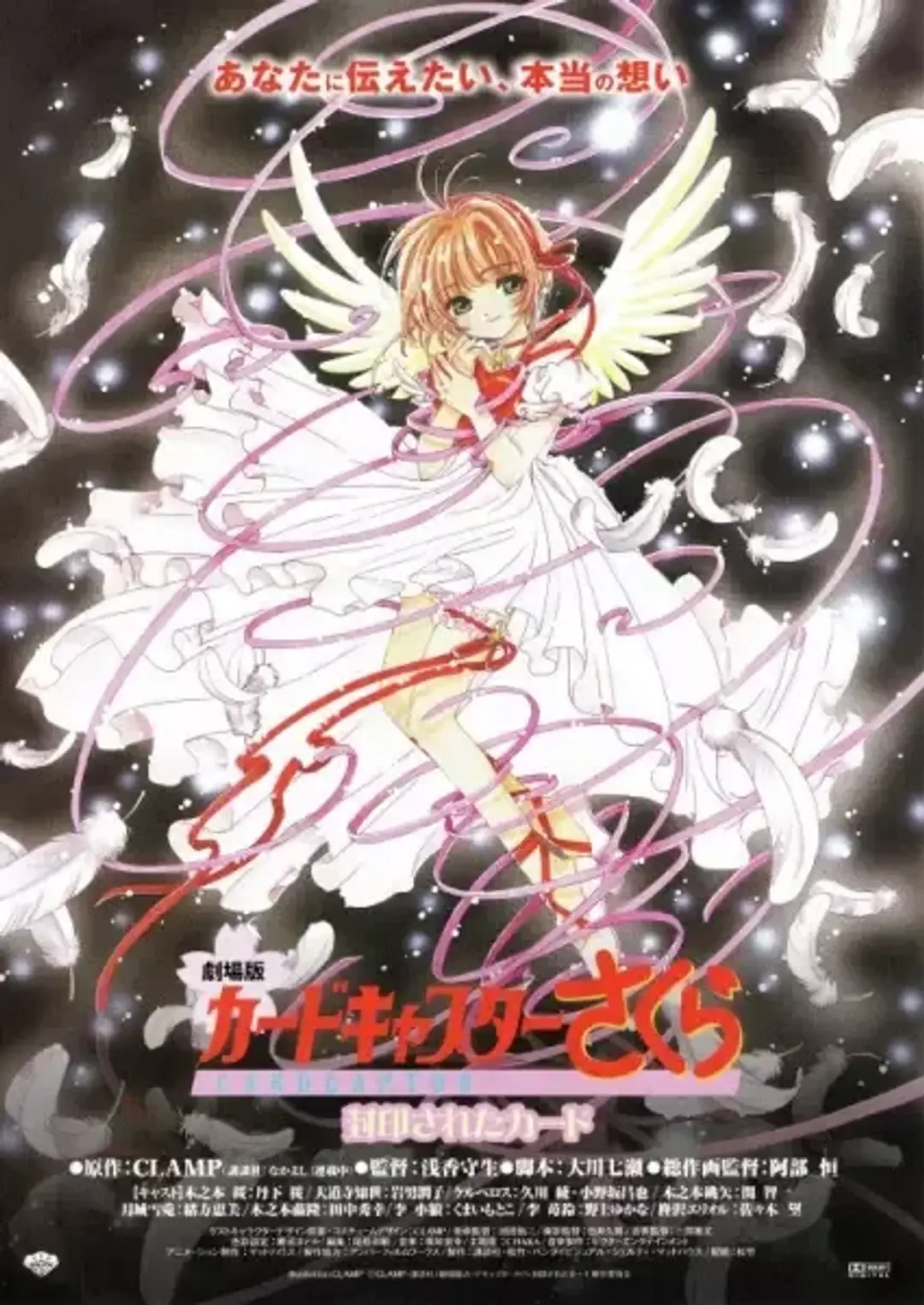
While often celebrated for its charming character work and magical adventures, "Cardcaptor Sakura Movie 2: The Sealed Card" showcases the exceptional craft of traditional animation that defined the late 90s and early 2000s. The film exhibits fluid character movement, vibrant color palettes, and detailed magical effects that remain visually appealing and technically proficient even today. The animators' dedication to capturing the expressiveness of Sakura and her companions ensures that the film feels cohesive and alive, a perfect extension of the beloved series.
The depth of this movie lies in its exploration of themes central to the franchise: friendship, love, and the courage to make difficult choices. Sakura's internal struggle and ultimate resolve to protect her loved ones, even at great personal cost, provides a mature emotional core. The film's narrative, while ostensibly a magical girl adventure, delves into the weight of responsibility and the enduring power of bonds, ensuring its status as a poignant and expertly crafted entry in the Cardcaptor Sakura saga that continues to captivate its audience.
Girls & Panzer Movie


"Girls und Panzer der Film" might appear as a lighthearted premise, yet it stands as a tour de force in mechanical animation and tactical choreography. The film's craft is exemplified by its incredibly detailed and historically accurate depiction of tanks, rendered with remarkable fidelity and dynamic motion. The animation team's dedication to creating realistic tank combat, from turret rotation to track movement and shell trajectories, elevates the action sequences to an exhilarating and technically impressive level that rivals more serious war dramas.
Beyond the impressive technical execution, the film possesses a surprising depth in its celebration of teamwork, camaraderie, and the spirit of competition. The narrative expertly balances intense action with moments of character development, highlighting the bonds forged under pressure and the joy of collective achievement. Its ability to create high-stakes drama within a unique competitive framework, underpinned by superb animation and sound design, ensures that "Girls & Panzer Movie" remains an exciting and well-crafted spectacle that holds up exceptionally well.
These five films, spanning diverse genres and artistic approaches, collectively demonstrate the incredible breadth and enduring quality of animated cinema. From the environmental epics of Ghibli to the mind-bending narratives of Satoshi Kon and the technical prowess of modern action, each stands as a testament to the power of animation as a storytelling medium.
Their continued relevance in 2026 is not merely a matter of nostalgia; it is a direct consequence of their meticulous craftsmanship, profound thematic explorations, and visionary direction. They are not just cartoons; they are cinematic art, deserving of study and appreciation for generations to come.
"To truly understand the evolution and potential of anime, one must revisit these foundational and exemplary works, for their lessons in craft and depth are as pertinent today as they were upon their release." — Analytical Senpai
Share this article
Comments (0)
No comments yet. Be the first to share your thoughts!