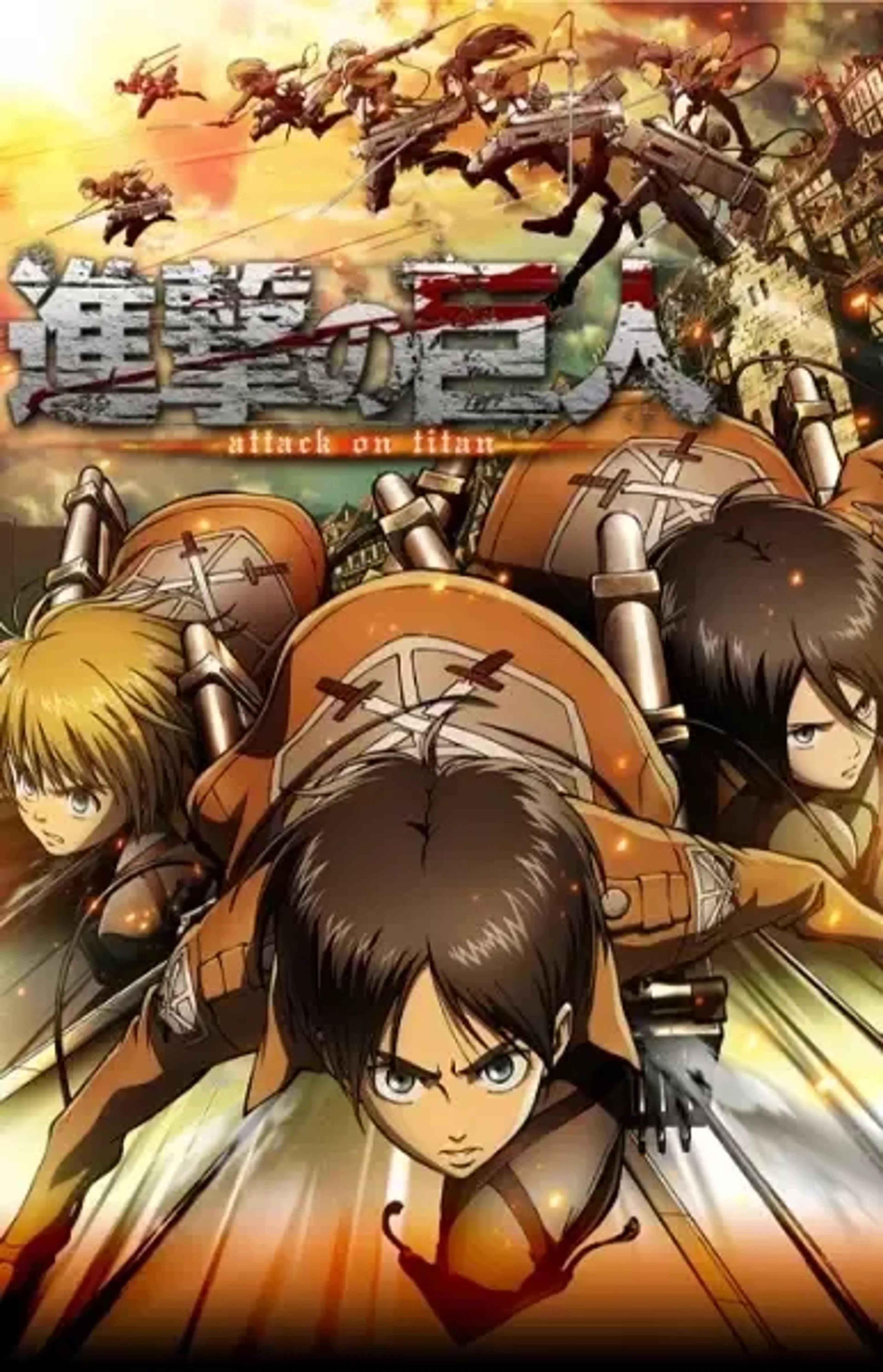
Unpacking the Legacy: A Deep Dive into Attack on Titan's Climactic Conclusion
From its terrifying opening premise of humanity besieged by monstrous Titans, 'Shingeki no Kyojin' evolved into a sprawling epic of war, prejudice, and the relentless pursuit of freedom. The series' ending, a culmination of years of intricate storytelling, demands careful dissection to fully appreciate its profound narrative choices and the lasting questions it poses about the cycles of conflict and the true cost of peace.
The journey of 'Shingeki no Kyojin' began with a seemingly simple, yet terrifying, premise: humanity trapped within walls, fighting for survival against mindless giants. However, the true terror and complexity of the narrative unfurled as the audience, alongside Eren Yeager, discovered the horrifying truth about the Titans' origins and the vast, hostile world beyond the walls. The initial quest for vengeance against a mysterious foe transformed into an agonizing internal struggle, pushing the boundaries of morality and revealing the deep-seated historical grievances that fueled an endless cycle of hatred.
Eren Yeager's ultimate plan, the 'Rumpling,' stands as the cataclysmic centerpiece of the series' climax. Driven by an unwavering, almost pathological, desire for the freedom he witnessed in Armin's book, Eren manipulated events across time, orchestrating even his friends' tragic losses and his own perceived villainy. His decision to unleash millions of Colossal Titans upon the world was a horrific attempt to sever the cycle of hatred and ensure the survival of his people, Marley's oppressed Eldians, even if it meant sacrificing his own humanity and the vast majority of the global population in the process. This paradoxical pursuit of freedom through genocide forces viewers to grapple with the darkest corners of human conviction.
Standing against Eren's catastrophic Rumbling was the unlikely 'Alliance,' a diverse coalition of former enemies and comrades united by a desperate plea for global survival. This group, comprising pivotal characters like Armin, Mikasa, Reiner, Jean, Connie, Levi, and Annie, represented humanity's last hope and the fragile possibility of empathy overcoming generations of prejudice. Their valiant, often heartbreaking, struggle to stop Eren was not merely a physical battle but a profound moral dilemma, forcing them to confront their deepest loyalties and the horrific reality that their closest friend had become the world's most feared enemy.
A pivotal revelation in the series' conclusion is the true nature of Ymir Fritz's 2,000-year curse and her connection to the Paths. It is revealed that Ymir, the original Titan, was not bound by a king's command but by her own deep-seated, unrequited love for King Fritz, manifesting as a psychological servitude that propagated the Titan power. Mikasa Ackerman's agonizing decision to kill Eren, severing her own deep bond with him, mirrored Ymir's internal struggle and ultimately freed Ymir from her emotional chains, thereby eradicating the very source of the Titan power from the world. This profound act of love and sacrifice became the key to breaking the ancient curse and restoring a semblance of peace.