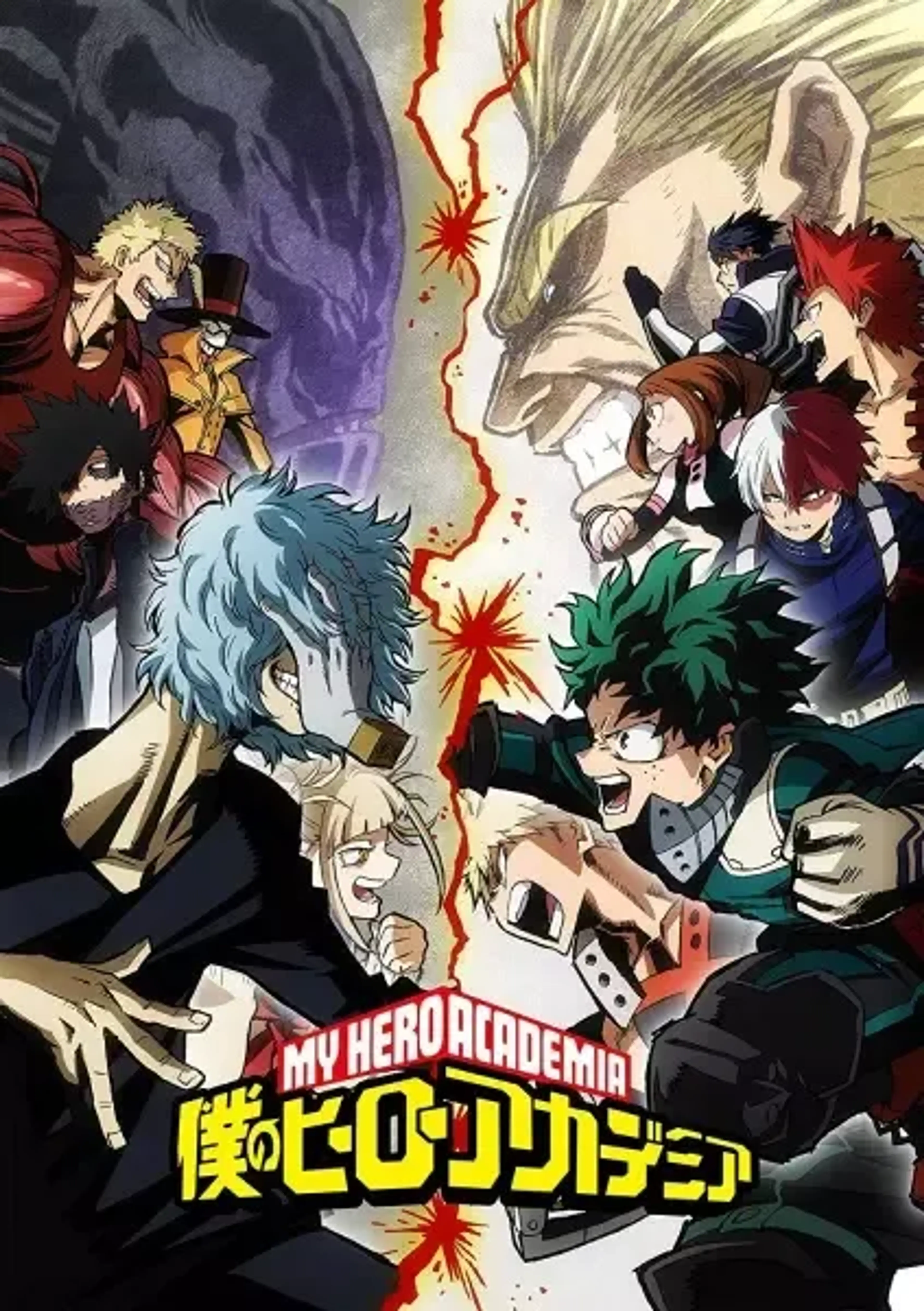
The Shifting Sands of Heroism: Deconstructing Boku no Hero Academia Season 3's Monumental Ending
Season 3 of Boku no Hero Academia proved to be a pivotal watershed moment, forever altering the landscape of its vibrant hero society. Beyond the exhilarating battles and emotional character arcs, the ending meticulously crafts a new status quo, challenging both the protagonists and the very concept of peace. This analysis delves into the intricate craft, profound thematic shifts, and enduring impact of a season that culminated in a breathtaking, yet somber, conclusion.
The climax of Season 3, undoubtedly the Kamino Ward Incident, stands as a masterclass in animated spectacle and narrative payoff. The visual grandeur of All Might's final confrontation with All For One transcended mere action, becoming a deeply personal and symbolically resonant battle that pushed the boundaries of Studio Bones' animation capabilities. Every impact, every visual metaphor for the 'passing of the torch,' was rendered with an intensity that imbued the sequence with a mythological weight, solidifying its place as one of the series' most iconic moments and demonstrating a profound understanding of visual storytelling.
All Might's subsequent retirement, delivered with the iconic declaration 'You're next,' served as the season's most significant thematic pivot. This moment, animated with a poignant mix of exhaustion and resolve, marked not just the end of an era but the forceful acceleration of a new one. The series masterfully conveys the weight of this transition, visually depicting a world suddenly bereft of its unwavering Symbol of Peace, and narratively burdening Midoriya with an unimaginable legacy, thereby elevating the dramatic stakes for the entire universe.
The immediate aftermath saw a palpable shift in the series' world-building and character dynamics, illustrating the fragile nature of societal order. The public's anxieties, the rise of a bolder villainous underbelly, and the re-evaluation of hero rankings were all meticulously portrayed, reflecting a society grappling with profound change. This nuanced depiction of consequences extends beyond the battlefield, showcasing the series' depth in exploring the socio-political ramifications of its fantastical premise and demonstrating the writers' commitment to a believable, evolving world.
Crucially, the season's latter half delves deep into the evolving psychology of its core trio: Midoriya, Bakugo, and Todoroki. Midoriya's struggle with One For All's secrets and the immense pressure of living up to All Might's legacy is depicted with a raw vulnerability, showcasing his internal conflict through subtle character animation and introspective monologues. Concurrently, Bakugo's unexpected empathy and deepening understanding of Midoriya's power during their fateful conversation exemplifies remarkable character growth, executed with a deft touch that preserved his complex persona while adding surprising layers of maturity.