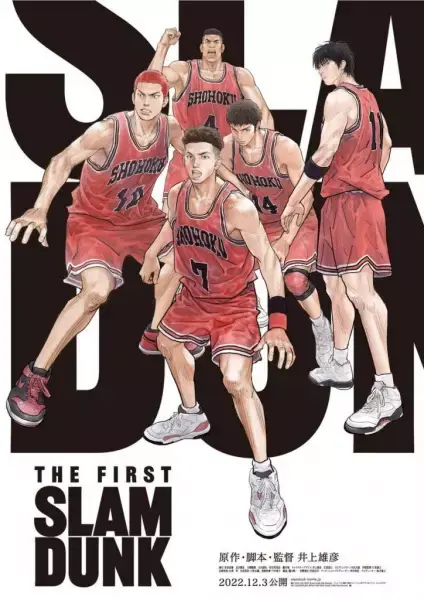
The First Slam Dunk Ending Explained: A Silent Victory, A Resounding Future
Dive deep into the cinematic triumph of The First Slam Dunk, exploring its poignant finale, thematic core, and the enduring legacy it leaves behind.
The cinematic return of "Slam Dunk" in "The First Slam Dunk" was not merely a nostalgic trip; it was a profound narrative re-architecture, shifting the focal lens to the often-understated point guard, Ryota Miyagi. This deliberate choice reframed the iconic match against Sannoh, infusing its known conclusion with fresh emotional weight and sparking intense discussions among fans regarding its implications for the series' canonical future and its unique structural choices.
The film culminates in the breathtaking, almost agonizingly detailed final seconds of the Shohoku vs. Sannoh match, a sequence rendered with unparalleled visual and auditory precision. Sakuragi's game-winning shot is depicted not as a singular heroic act, but as the synchronized result of years of struggle and the collective will of the team. The immediate aftermath is a poignant, silent sequence: the eruption of the crowd, the visceral exhaustion and elation of the players, and then a flashforward, revealing Ryota Miyagi continuing his basketball journey overseas, having made peace with his past and the shadow of his brother.
At its thematic core, "The First Slam Dunk" explores the profound journey of overcoming personal grief and finding one's unique identity within a larger collective. Ryota's narrative arc is a meticulously crafted exploration of processing loss and stepping out of a beloved sibling's shadow, ultimately finding his own voice and purpose on the basketball court. The title's "first" symbolizes not just a cinematic debut, but a personal rebirth for Ryota, signifying the start of his true, independent self after years spent grappling with his family's past.
The biggest lingering question for long-time enthusiasts of the original manga inevitably revolves around the fate of Shohoku beyond their victory over Sannoh in the National Tournament. While the film masterfully brings Ryota's individual emotional arc to a satisfying close, it deliberately leaves the broader competitive narrative of the team in a state of tantalizing ambiguity. This creative decision both serves to strengthen Ryota's character study and leaves an open-ended narrative space, simultaneously fulfilling and frustrating dedicated followers of Takehiko Inoue's manga.
As The Analytical Senpai, I find the ending of "The First Slam Dunk" to be an exceptionally courageous and narratively resonant achievement. While some purists might have desired a more encompassing adaptation of the entire National Tournament, the film's bold decision to narrow its focus allowed for an unprecedented depth of character development, transforming a beloved sports saga into a moving meditation on grief, resilience, and self-discovery. It's a testament to the fact that revisiting a classic can yield not just homage, but profound artistic reinterpretation.
The legacy of "The First Slam Dunk" will undoubtedly be marked by its innovative approach to revisiting a foundational sports anime, demonstrating a profound respect for the source material while forging a distinct narrative path. It stands as a powerful testament to the enduring human spirit of overcoming adversity, both on the competitive hardwood and within the silent battles of the heart. This film is not merely an explanation of an ending; it is a powerful reaffirmation of why these characters and their struggles continue to resonate deeply with audiences across generations.