Sen to Chihiro no Kamikakushi Ending Explained: Memory, Growth, and the Unseen Worlds
Unpacking the profound ending of Spirited Away, examining Chihiro's transformation and the lasting echoes of the spirit world.
"Sen to Chihiro no Kamikakushi," known globally as "Spirited Away," concludes with an ending that is simultaneously serene and profoundly unsettling, a masterclass in narrative ambiguity that has sparked endless debate among enthusiasts and critics alike. Hayao Miyazaki's magnum opus doesn't just resolve a plot; it carefully orchestrates a thematic crescendo, leaving viewers to ponder the delicate interplay between reality and the spiritual, memory and forgetting. This finale is less about definitive answers and more about the enduring impact of a transformative journey.
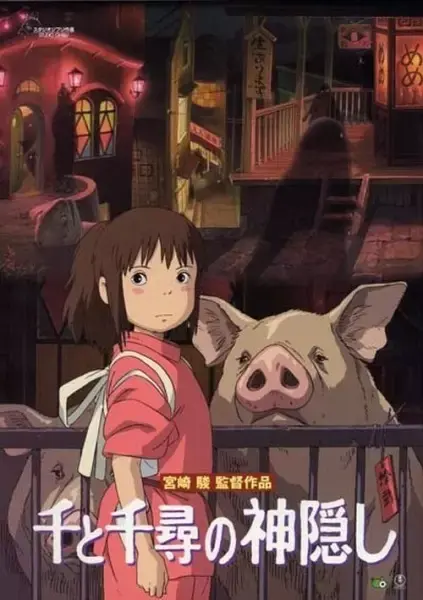
The final moments see Chihiro, now resolute and self-aware, successfully identifying her parents from a line-up of pigs, a feat only possible due to her profound spiritual growth and understanding. After a tearful farewell to Haku, who reminds her never to look back, she escorts her still-human parents through the eerie tunnel, emerging back into the mundane world seemingly unscathed. The crucial detail, however, is the shimmering hair tie given to her by her spirit friends, a tangible relic that defies the apparent erasure of her fantastical ordeal. The car remains dusty, exactly as they left it, suggesting no time has passed in the human realm, yet Chihiro is irrevocably changed.
The ending masterfully encapsulates the film's core themes: the transition from childhood innocence to mature understanding, the importance of hard work and selflessness, and the reverence for nature and traditional Japanese spirituality. Chihiro's journey through the Spirit World is a metaphor for adolescence itself—a period of intense growth, terrifying challenges, and the forging of one's identity under immense pressure. Her ability to discern her parents, unclouded by the illusions of the spirit realm, symbolizes her newfound clarity and discernment, a clear indicator of her maturation beyond her initial spoiled naiveté. The lingering magic, embodied by the hair tie, suggests that while the visible world may revert to normalcy, the internal transformation and spiritual lessons remain.
The most persistent question arising from the ending centers on the memory of Chihiro and her parents, specifically whether they retain any recollection of their harrowing experience. While Chihiro's parents appear entirely oblivious, complaining only about the length of their break, Chihiro herself possesses the hair tie and a quiet, knowing gaze. This narrative choice isn't accidental; it powerfully illustrates the concept of "kamikakushi," or "spirited away," where individuals vanish into the spirit realm and return changed, often without full memory of what transpired. For the parents, the experience was a consequence of their greed and ignorance, a lesson they failed to internalize; for Chihiro, it was a crucible that forged her character, an indelible part of her being that transcends mere recall.
As The Analytical Senpai, I find this ending to be nothing short of genius, a poignant and deeply resonant conclusion that prioritizes emotional and thematic resonance over simplistic narrative closure. It avoids the pitfall of spoon-feeding explanations, instead trusting the audience to grasp the profound changes within Chihiro and the subtle, yet powerful, implications of the spiritual world's interaction with the mundane. The lingering sense of wonder, coupled with the subtle melancholy of unspoken goodbyes, solidifies "Spirited Away" not just as a fantastical adventure, but as a profound meditation on memory, identity, and the liminal spaces of existence.
The enduring impact of "Sen to Chihiro no Kamikakushi"'s ending lies in its perfect blend of ambiguity and affirmation. It doesn't just close a chapter; it opens a portal to introspection, inviting viewers to reflect on their own journeys of growth and the unseen forces that shape them. This masterpiece continues to resonate precisely because its conclusion understands that true transformation isn't always loud or externally validated, but often a quiet, internal shift that forever alters one's perception of the world. Its legacy is one of timeless storytelling, proving that the most profound tales often conclude not with an end, but with a beginning of deeper understanding.