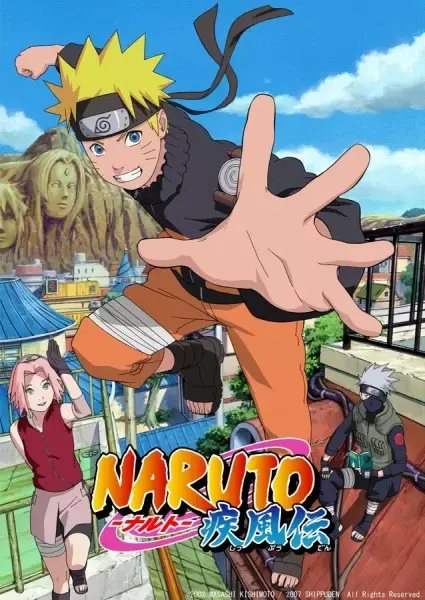
Naruto: Shippuuden Ending Explained: Legacy, Reconciliation, and a New Dawn
The Analytical Senpai dissects the intricate finale of Naruto: Shippuuden, exploring its profound symbolism, narrative resolution, and enduring legacy.
The culmination of Naruto: Shippuuden, after years of fervent narrative build-up and intricate character development, presented an ending that resonated deeply across the global shinobi fan base. From the ashes of the Fourth Great Ninja War, the series meticulously wove a resolution that sought not only to conclude the epic saga but also to redefine the very ethos of its established world. This ending, a rich tapestry of symbolism and sacrifice, sparked immediate and enduring discussions regarding its impact on the protagonist's journey and the future of the shinobi alliances.
The finale's true crescendo arrived not with Kaguya's defeat, but in the desolate Valley of the End, where Naruto and Sasuke engaged in their fated, devastating final confrontation. This brutal clash, a symbolic re-enactment of their predecessors Ashura and Indra, saw both ninja push their powers to absolute limits, resulting in the loss of an arm for each. Following this cathartic battle, Sasuke finally acknowledged Naruto's unwavering path and selfless love, leading to their reconciliation and the dismantling of the Infinite Tsukuyomi. The ending then gracefully transitions into an era of newfound peace, showcasing Naruto's journey to becoming the Seventh Hokage and the burgeoning generation that would carry on their unified legacy.
At its core, the ending of Naruto: Shippuuden masterfully crystallizes the series' overarching theme: the breaking of the cycle of hatred. The final battle between Naruto and Sasuke, leading to their mutual physical sacrifice and subsequent reconciliation, serves as a profound visual metaphor for severing the ancient, cursed lineage of conflict inherited from Ashura and Indra. Their shared hand sign, signifying a pact of peace rather than a clash, symbolically represents the triumph of understanding and connection over vengeance and isolation, forging a new paradigm for the shinobi world. This resolution finally delivers on the promise of the "Will of Fire" transforming from a localized ideal into a global, unifying philosophy.
Despite the resounding declaration of peace and unity, a pivotal question lingers in the analytical mind: how truly sustainable is this hard-won global peace? While Naruto's reign as Hokage and the allied shinobi forces offer a powerful deterrent, the series implicitly acknowledges the persistent human tendency towards conflict and division. The very introduction of Otsutsuki threats and other extra-dimensional dangers in subsequent narratives suggests that while the internal cycle of hatred may have been broken by Naruto and Sasuke, external pressures and new forms of discord could perpetually challenge this fragile equilibrium. The enduring vigilance required to maintain this peace thus remains a central, unspoken challenge for the future.
From an architectural standpoint, the narrative effectively delivered on nearly two decades of build-up, culminating in an emotionally resonant and thematically satisfying conclusion. While some critics point to moments of pacing convolution or the inevitable power escalation leading to god-tier battles, these aspects are ultimately overshadowed by the profound emotional intelligence displayed in Naruto and Sasuke's final act of reconciliation. The series dared to address generational trauma and the fundamental human need for connection, offering a message of hope that transcended the simple good-versus-evil dichotomy. It’s a testament to Kishimoto's vision that the ending, despite its grand scale, found its most powerful moments in the quiet understanding between two rivals.
The ending of Naruto: Shippuuden, therefore, stands as a monumental capstone to one of anime's most iconic sagas, cementing its legacy not merely as a shonen action epic but as a deeply philosophical exploration of war, peace, and human connection. It successfully transitioned its characters from battle-hardened warriors to architects of a new world, providing a definitive resolution while simultaneously laying the groundwork for future generations and narratives. The impact of this finale reverberates through the entire anime landscape, reminding us that even the most arduous journeys can lead to profound and lasting transformation, leaving an indelible mark on the hearts of millions.