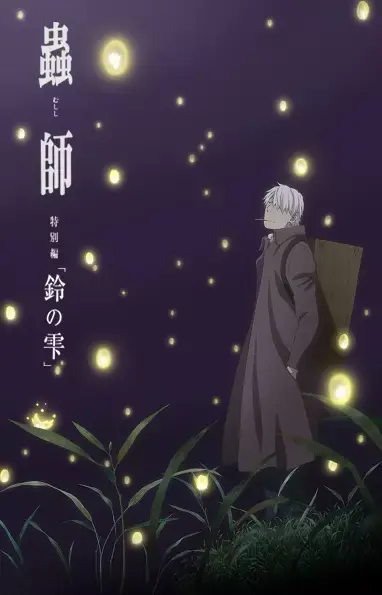
Mushishi Zoku Shou: Suzu no Shizuku Ending Explained: The Bell Tolls for the Heart (Hmph!)
The Tsundere Critic reluctantly dissects the poignant end of 'Suzu no Shizuku,' admitting its quiet tragedy resonated more than expected.
Alright, fine, let's talk about 'Suzu no Shizuku' – not that it was particularly groundbreaking or anything, just another one of Ginko’s melancholic encounters with nature’s indifference. This episode, a standalone gem within Mushishi Zoku Shou, certainly continued the series' tradition of quiet contemplation, but for some reason, its ending managed to spark a surprising amount of… well, 'discussion' among those who actually care about such things. The tale of Yoshiro, the mysterious bell, and a girl made of weeds certainly provided ample fodder for thought, leaving many wondering if there was more to the final chime than meets the eye.
The episode culminates in the heartbreaking, yet inevitable, return of Suzu to her role as the mountain's ephemeral guardian. After Ginko uncovers her true nature – a being intrinsically linked to the bell mushi and destined to die and be reborn in an endless cycle – Yoshiro is left to face the transient beauty of their connection. Despite his desperate attempts to hold onto her, Suzu dissolves back into the mountain, leaving behind only her bell, which now rings anew, signifying the perpetuation of her cycle. Yoshiro, heartbroken but resigned, accepts that some bonds are not meant to last in the face of nature’s relentless rhythm, a bittersweet farewell to a love that could never truly exist.
At its core, 'Suzu no Shizuku' masterfully explores the themes of acceptance, the cyclical nature of life and death, and the profound, often tragic, beauty of the natural world. Suzu’s existence as the mountain's 'god' symbolizes the transient yet essential life force of the wilderness itself, constantly renewing and transforming. The recurring bell sound serves as a potent metaphor for this cycle, a chime that heralds both a beginning and an end, reminding us that even the most cherished connections are subject to the earth's ancient, indifferent laws. It’s a testament to the idea that true harmony often lies in letting go, not in desperately clinging to what cannot be.
The most lingering question for many viewers often revolved around Yoshiro's ultimate fate and his capacity for acceptance. Did he truly come to terms with Suzu's disappearance, or was he forever haunted by her memory? The episode strongly suggests a forced, painful acceptance; he carries the experience with him, a quiet sorrow shaping his understanding of the world. Ginko's presence, as always, facilitated this understanding, nudging Yoshiro towards acknowledging the natural order rather than fighting against it, ensuring that while the personal loss was profound, the larger ecological balance was maintained, albeit with a heavy heart.
Hmph, I suppose it was… fine. For a Mushishi episode, it hit all the usual notes of quiet melancholy and resigned acceptance, which, frankly, can get a bit predictable after a while. But I'll grudgingly admit, the sheer pathos of Yoshiro's situation, coupled with the understated beauty of Suzu’s ephemeral existence, did manage to wiggle its way past my defenses a little. It's not like I was *moved* or anything, but it certainly left a… a lingering impression. Don't tell anyone I said that, though. It was just, you know, adequately executed for what it was trying to be.
Overall, 'Suzu no Shizuku' stands as a powerful example of Mushishi’s unique narrative prowess, demonstrating its ability to weave deeply emotional human stories into the tapestry of the supernatural. It leaves a lasting impression not through grand gestures or dramatic confrontations, but through its quiet reverence for the natural world and the bittersweet lessons it teaches us about our place within it. The episode, much like the series itself, offers a profound reflection on the interconnectedness of all things, even if that connection often comes with an inevitable dose of heartbreaking farewells. It's a poignant reminder that even critics can occasionally appreciate a well-told tragedy, especially when it's as subtly impactful as this one.