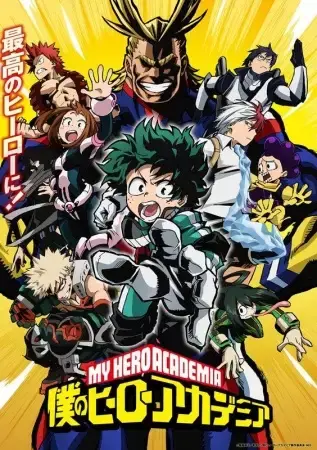
Boku no Hero Academia Ending Explained: Symbolism, Theories & Final Verdict
Season one of My Hero Academia culminated in an explosive USJ attack. We dissect its impact on Deku's journey and the future of heroism.
The first season of *Boku no Hero Academia* wasn't just another shonen debut; it was a gauntlet thrown down, culminating in an ending that left even this Tsundere Critic slightly breathless. While some might dismiss its earnestness as typical, the raw emotional impact of its final arc sparked intense discussions among fans and critics alike. It certainly established a high bar, setting the stage for what promised to be an epic saga of heroism and struggle.
The climax of the first season centered around the devastating attack on the USJ training facility by the newly introduced League of Villains. Led by the enigmatic Shigaraki Tomura, their primary goal was to eliminate the Symbol of Peace, All Might, and shatter public trust in heroes. Though delayed, All Might eventually arrived, engaging in a brutal battle against the monstrous Nomu, while Midoriya, despite his broken body, selflessly intervened to protect his mentor. The students showed incredible grit, but it was All Might's overwhelming power that ultimately repelled the villains, leaving behind a scarred but resilient UA High.
This finale powerfully underscored the series' core theme: what it truly means to be a hero beyond raw power. All Might's vulnerability, as his time limit was exposed and he struggled against Nomu, symbolized the fading era of the solitary hero and the desperate need for a new generation. Midoriya's repeated self-sacrifice, even when clearly outmatched, solidified his unwavering spirit and commitment to helping others, foreshadowing his eventual ascension as the next Symbol of Peace. The entire ordeal served as a harsh baptism by fire for Class 1-A, revealing that heroism isn't just about saving lives, but also about protecting ideals against overwhelming darkness.
The most pressing question left hanging by the season's end was undoubtedly the true identity and ultimate motivations of the League of Villains, particularly their enigmatic leader, Shigaraki. While we saw his childish petulance and destructive desires, the true mastermind pulling his strings, referenced only as "Sensei," remained shrouded in mystery, creating an ominous sense of foreboding. Viewers were left to wonder just how deep this emerging threat ran and what dark plans lay in store for hero society.
Honestly, I went into this expecting a fairly by-the-numbers shonen finale, complete with the usual power-ups and emotional speeches. And yes, Midoriya's constant self-injury could get a bit grating, reminding me of other protagonists who just *refuse* to learn moderation. But credit where credit is due: the sheer tension and the desperation on display, especially from All Might, genuinely got to me. It wasn't just flashy fights; it was a deeply personal struggle for survival and belief, and I begrudgingly admit it tugged at my stoic heartstrings more than I anticipated.
The first season of *Boku no Hero Academia* concluded not with a tidy resolution, but with a resounding declaration that the world of heroes was far more perilous and complex than initially imagined. It masterfully set the stage for future conflicts, promising deeper character development and even more intense battles. This ending solidified the series' potential to be a modern shonen classic, leaving audiences eagerly anticipating the next chapter in Izuku Midoriya's arduous journey to become the world's greatest hero.