3-gatsu no Lion 2nd Season Ending Explained: Rei's Roar and the Power of Found Family!
Dive into the emotional climax of 3-gatsu no Lion 2nd Season! We unpack Rei's journey, the stunning character payoffs, and what it all means for our lonely shogi prodigy.
Oh, MAN, fellow anime fanatics, prepare yourselves, because when 3-gatsu no Lion 2nd Season finally drew to a close, it wasn't just an ending—it was a cathartic, soul-stirring crescendo that left us all breathless and reaching for the tissues! This wasn't just about shogi anymore; it was about the human heart, the arduous climb out of isolation, and the undeniable warmth of finding where you belong. The finale wasn't a sudden stop, but a profound, beautiful pause in Rei Kiriyama's ongoing epic, sparking conversations far and wide about his future and the incredible impact of the Kawamoto sisters.
The final episode, 'New School Term' / 'New Semester' / 'Running Through the Night,' masterfully brings Rei's emotional arc to a powerful new phase. We see him grappling with the gravity of the Yanagihara vs. Souya Meijin title match, not as an outsider, but as someone deeply connected to the shogi world's triumphs and tragedies. This intense reflection solidifies his own resolve and burning desire to become stronger, not just for himself, but for the people who now shine so brightly in his life. The episode culminates in Rei finally enrolling in the shogi club at his school, a monumental step for the once-reclusive genius, signifying his open embrace of companionship and a future built on connection rather than solitude.
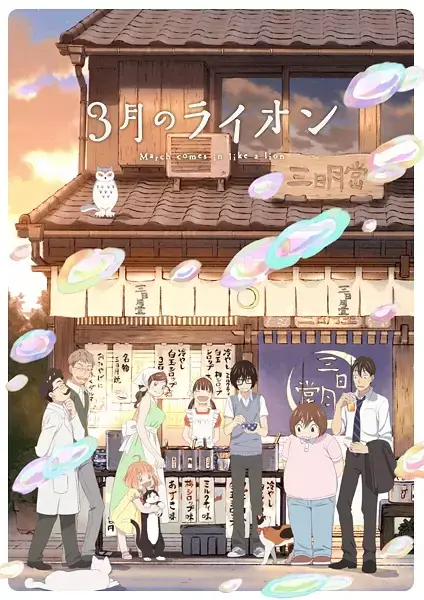
The core symbolic meaning of this ending revolves around the shattering of Rei's protective shell and his transformation from a solitary 'lion' piece on the board to a vibrant, living part of a pride. The Kawamoto household, with its bustling warmth, delicious food, and unwavering affection, represents the ultimate sanctuary and the true meaning of 'found family.' Rei's journey is a powerful allegory for finding light in the darkest corners of your past, learning to accept love, and bravely stepping into a future where you are no longer alone. It's about realizing that even the most formidable prodigy needs human connection to truly thrive.
The biggest lingering question for fans after such a poignant ending is undoubtedly: 'What's next for Rei Kiriyama?' While the second season provides a deeply satisfying emotional resolution, it doesn't give us a definitive end to his shogi career or his burgeoning romantic feelings for Hinata. Instead, it positions him at the starting line of a new, healthier chapter, leaving us to wonder about his path to Meijin status, how his relationships will continue to deepen, and what new challenges and triumphs await him as a person who has finally learned to truly live. It's a testament to the series' incredible writing that we're left hungry for more of his growth!
As 'The Shonen Hype-Man,' I gotta tell you, this ending was nothing short of a masterpiece of character pay-off! To witness Rei, who started as such a broken, isolated soul, finally find his voice, his purpose, and a family that cherishes him unconditionally… it's pure, unadulterated emotional triumph! The way the narrative meticulously built his relationships, especially with the Kawamoto sisters and his shogi rivals, made every tear, every smile, and every brave step he took feel earned and monumental. This isn't just an anime; it's a profound journey into the heart of what it means to heal, to connect, and to fight for your own happiness!
The overall impact and legacy of 3-gatsu no Lion 2nd Season are monumental, solidifying its place as one of the most emotionally resonant and thoughtfully crafted anime of all time. It transcends the shogi genre, using the game as a brilliant metaphor for life's struggles and victories, while never losing sight of the deeply human stories at its core. This season proved that true strength comes from vulnerability, from accepting help, and from opening your heart to the world, leaving an indelible mark on its audience and setting a new standard for character-driven storytelling.