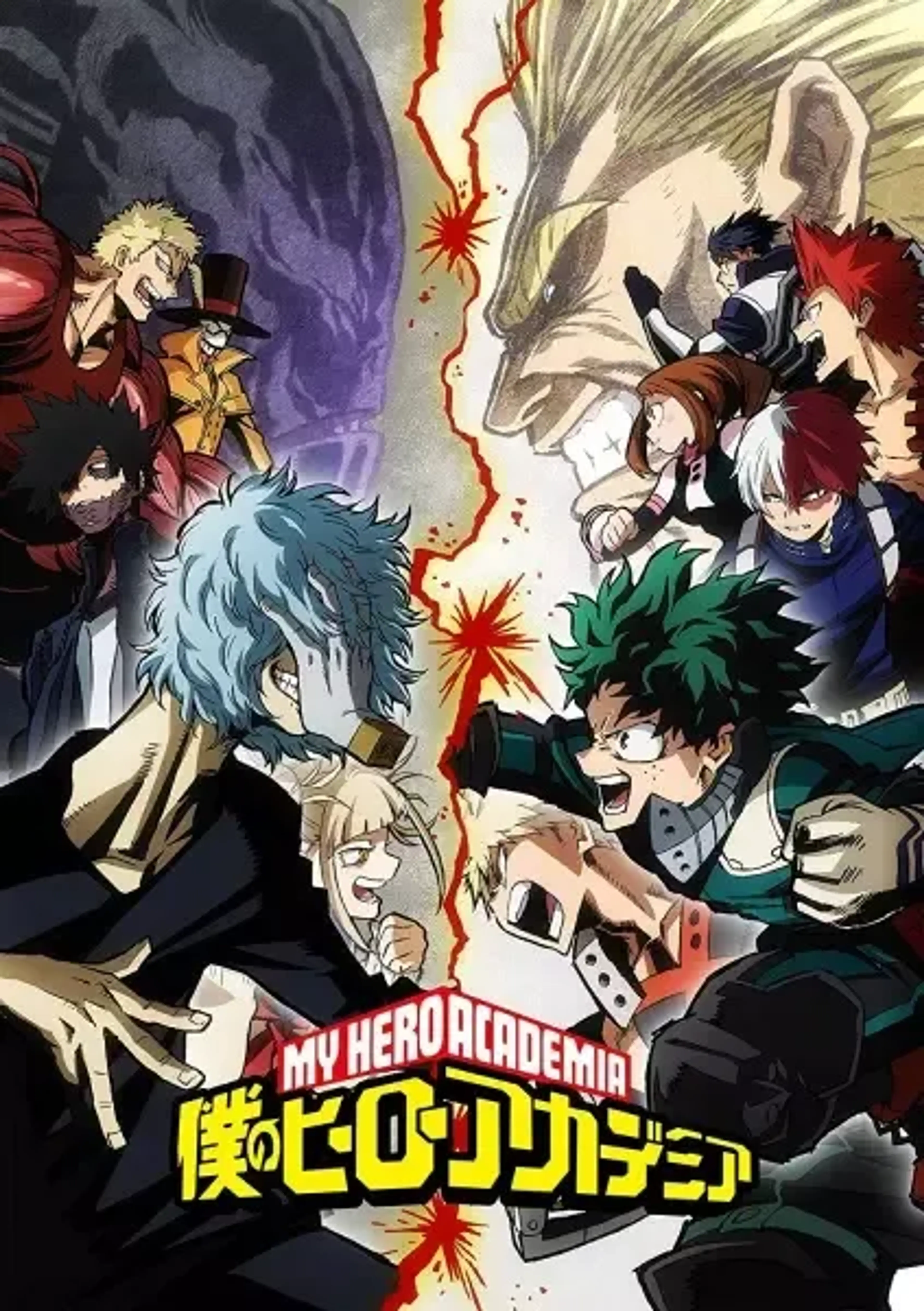
Deep DiveSpring 2018
The Crucible of Legacy: A Deep Dive into Boku no Hero Academia Season 3's Definitive Arcs
Boku no Hero Academia Season 3 stands as a monumental turning point for the series, masterfully elevating its narrative stakes, character development, and animation prowess. This season meticulously crafts a world where the lines between training and existential threats blur, forging heroes through fire and establishing a profound legacy that reverberates throughout the anime landscape. It is here that the true weight of heroism and sacrifice is laid bare, challenging both characters and viewers to confront the demanding realities of their aspirations.
All Deep Dives
Season 3 of Boku no Hero Academia marked a critical juncture, fundamentally reshaping the series' trajectory and solidifying its status as a leading shonen anime. The season brilliantly navigated two pivotal arcs: the Forest Training Camp and the Kamino Ward Incident, each contributing significantly to the overarching narrative and thematic depth. This period was not merely about power progression; it was about the harrowing realization of genuine threats, pushing our aspiring heroes into situations far beyond their simulated training scenarios and exposing them to the raw, unfiltered danger of their chosen path.
The animation and visual craft displayed throughout Season 3 were nothing short of exceptional, particularly during its most climactic sequences. Studio Bones once again demonstrated their unparalleled mastery, delivering fluid action choreography and impactful visual storytelling that elevated every confrontation. The pinnacle of this visual spectacle arrived with the 'All Might vs. All For One' battle, an animation tour de force characterized by breathtaking sakuga, intricate frame-by-frame details, and a profound sense of weight behind every devastating blow. This battle transcended mere action, becoming a deeply emotional and visually resonant depiction of legacy and sacrifice, cementing its place as an iconic moment in anime history due to its sheer technical brilliance and emotive execution.
Beyond the dazzling action, Season 3 delved deep into the psychological and thematic complexities of its characters, particularly focusing on the burden of heroism and the concept of legacy. Midoriya's growth, though still nascent, was profoundly accelerated by the dire circumstances, forcing him to confront his limitations and make difficult moral choices. More significantly, the season explored the immense weight of All Might's 'Symbol of Peace' persona and the eventual, agonizing transfer of One For All, imbuing the narrative with profound emotional depth. This arc meticulously crafted the theme of generational responsibility, illustrating the inherent sacrifices demanded by true heroism and the inevitable passing of the torch.
The meticulous craft extended to the season's sound design, musical score, and directorial choices, all synergizing to amplify its impact. Yuki Hayashi's soundtrack continued to be a standout, with new compositions perfectly underscoring both the tense moments of peril and the poignant emotional beats. The sound effects, from the concussive force of punches to the subtle crackle of quirks, were exquisitely rendered, immersing the viewer fully into the brutal reality of the battles. Furthermore, the overall direction maintained a masterful balance between high-octane action, character-driven introspection, and crucial exposition, ensuring that the pacing remained taut and the emotional stakes always felt authentic and weighty.