Deep DiveSummer 2018
Shingeki no Kyojin Season 3: Fine, I'll Admit It Wasn't Utter Garbage.
Look, after the previous season's meandering, I wasn't expecting much from *Shingeki no Kyojin* Season 3. But I suppose... *fine*, it managed to pull itself together and deliver something resembling actual storytelling. Don't get me wrong, it still has its flaws, but for a show that could have easily spiraled into generic shonen nonsense, it didn't completely screw up. Barely.
All Deep Dives
Honestly, I walked into *Shingeki no Kyojin* Season 3 with a healthy dose of cynicism, fully expecting more of the same tired 'scream and kill monsters' routine. The build-up from Season 2 felt like it was dragging its feet, teasing 'reveals' that you just *knew* would be underwhelming. So imagine my utter shock when this season actually managed to, dare I say, *excel* in parts, pulling itself out of the mediocrity pit I'd mentally assigned it. It’s not like it's a masterpiece or anything, but it certainly wasn't the complete waste of time I'd braced myself for, much to my annoyance.
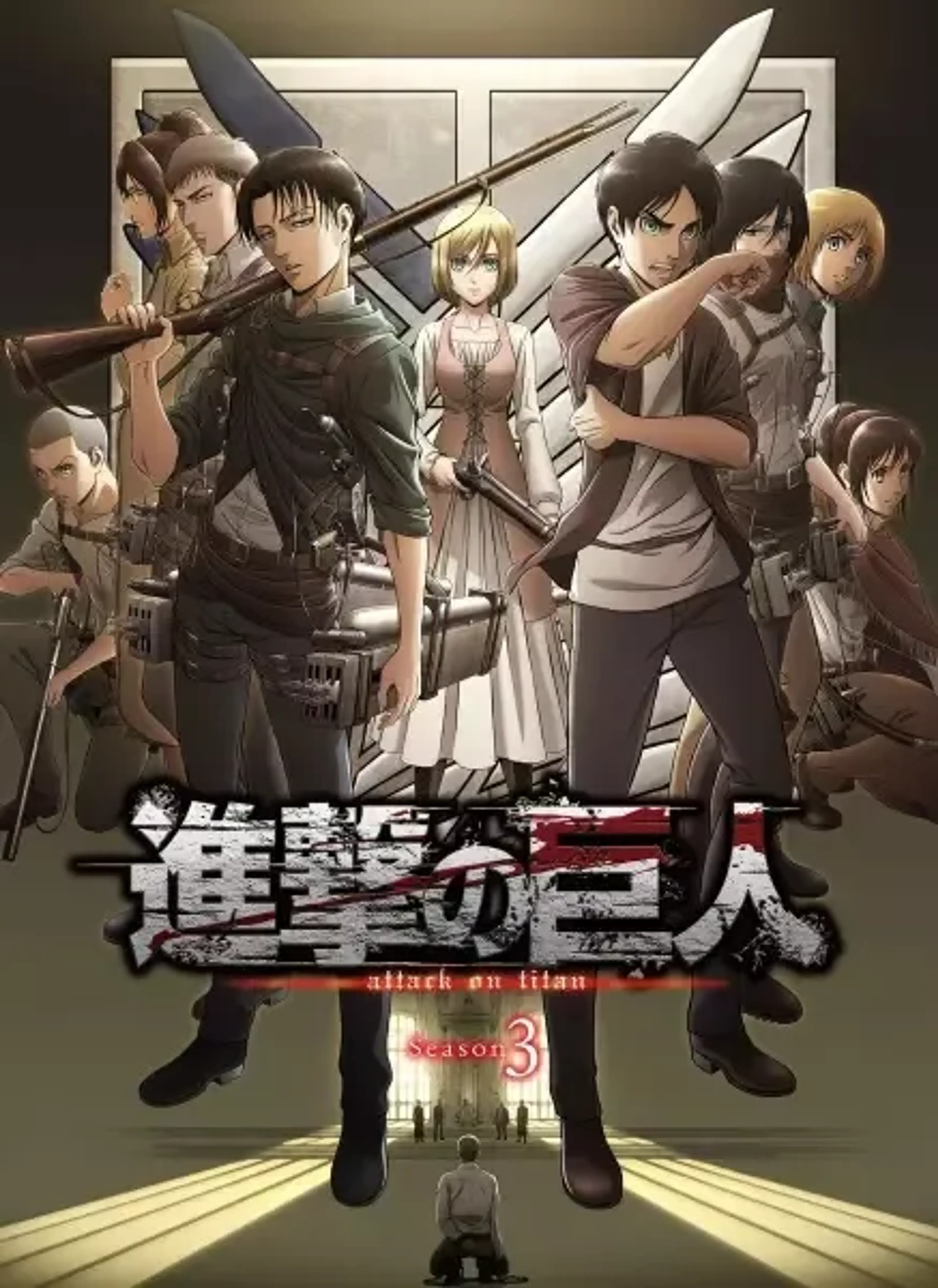
The first half, the 'Uprising' arc, felt like a deliberate attempt to veer away from the giant monster slaying to delve into... *gasp*... human politics. Frankly, my eyes were already rolling, anticipating some half-baked conspiracy plot that would just serve as filler before the 'real' action. Yet, somehow, the whole Rod Reiss, Historia's lineage, and government corruption saga managed to be genuinely engaging, which I find incredibly irritating to admit. It’s almost as if they put actual thought into how human villains operate, rather than just giving us another mustache-twirling caricature. For a genre often content with simplistic good-versus-evil, *Shingeki no Kyojin* actually tried to complicate things, and for once, it mostly paid off.
And the characters, oh lord. Historia Reiss, the designated 'damsel in distress' who suddenly had to step up – a trope so old it’s practically fossilized. Yet, her transformation from a timid background character to someone with agency, even defiance, was surprisingly well-handled, I suppose. Levi’s ruthlessness got some context, and Erwin… well, Erwin just continued to be Erwin, pushing everyone forward with a maniacal gleam in his eye, which I’m begrudgingly forced to respect. They didn't just *tell* us these characters were evolving; they actually bothered to *show* it, often with brutal honesty that felt less like contrived drama and more like genuine consequence. It’s almost like they think audiences are capable of processing complex emotional arcs, the nerve.
Then came the second half, the much-hyped 'Return to Shiganshina,' promising the answers we’d been strung along for seasons to get. Naturally, I expected a convoluted reveal that would leave more questions than answers, typical shonen bait-and-switch. While the 'truth' from the basement certainly complicates things, the sheer spectacle of the battle for Shiganshina itself was... *fine*. The sacrifices, especially that of Erwin, were genuinely impactful, even if you could see them coming from a mile away for dramatic effect. It escalated the stakes from mere survival to a brutal war of attrition, demanding heavy losses and truly pushing characters to their breaking points, rather than just having them power up inexplicably like some *other* shows. It almost felt earned, you know?