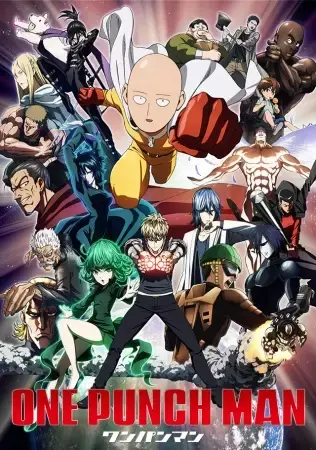
One Punch Man: A Thematic Retrospective on Existential Boredom and the Hero's Burden
The Analytical Senpai dissects One Punch Man's first season, exploring its masterful satire, production brilliance, and profound commentary on modern heroism.
As the Fall 2015 anime season has long since concluded, we now have the luxury of hindsight to truly appreciate the seismic impact of One Punch Man. This series, far from being a simple gag-fest, presented a sophisticated deconstruction of the superhero genre, wrapped in a visually stunning package. It’s a work that invites critical examination, not just for its explosive action, but for the quiet existential dread simmering beneath its comedic surface.
At its core, One Punch Man grapples with the paradoxical nature of ultimate power. Saitama's ability to defeat any foe with a single punch, the very aspiration that drove his arduous training, has resulted in a profound apathy that borders on nihilism. This narrative choice deftly sidesteps the typical power progression arcs common in shonen, instead focusing on the psychological toll of achieving the unattainable – absolute victory leading to absolute boredom. The vibrant cast of eccentric heroes and villains, while entertaining, primarily serve to highlight Saitama's detachment from the very world he protects.
The brilliance of the narrative structure lies in its subversion of expectations. We are introduced to a world teeming with powerful threats and a burgeoning hero association, yet the true focal point is Saitama’s internal struggle. The series masterfully employs a bait-and-switch, showcasing grand battles and impressive feats of heroism from supporting characters, only to reveal Saitama’s anticlimactic dispatch of the same threat moments later. This deliberate pacing and narrative framing underscores the hollowness of external validation when one’s internal motivations have been rendered obsolete by their own strength.
Furthermore, the production quality of the first season, particularly Madhouse's involvement, cannot be overstated as a cornerstone of its success. The animation fluidity during Saitama's rare moments of exertion, juxtaposed with the often mundane or comically rendered encounters, is a testament to meticulous direction. The explosive visual impact of Saitama's punches, despite their brevity, leaves a lasting impression, drawing heavily from classic anime action sequences while simultaneously mocking their inherent melodrama. This deliberate dichotomy in visual presentation is a key thematic device.
Beyond its thematic depth and production prowess, One Punch Man's cultural impact is undeniable. It sparked a global conversation about the nature of heroism in a modern context, where the spectacle often overshadows the substance. The series resonated with audiences who felt disconnected from the traditional heroic archetypes, offering a relatable protagonist whose ennui mirrored a growing societal disillusionment. Its viral success also paved the way for greater appreciation of highly stylized animation and unconventional storytelling within the mainstream anime sphere.
One Punch Man's first season stands as a seminal work, a meticulously crafted satire that uses explosive action as a vehicle for profound introspection. It challenged established genre conventions, delivered breathtaking animation, and offered a poignant commentary on the emptiness of absolute power. For its audacious narrative structure and enduring thematic relevance, this season remains a must-watch for any discerning anime enthusiast.