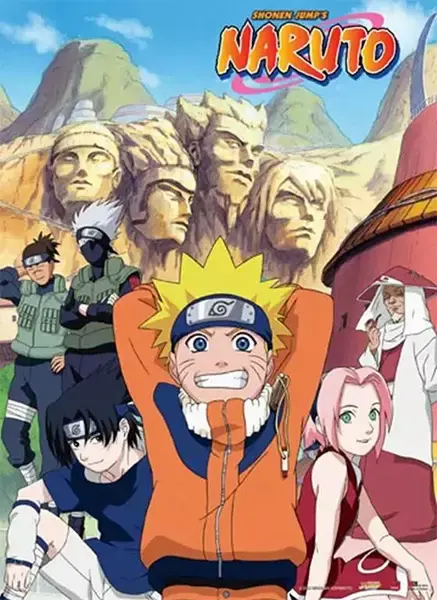
Naruto: The Unmasking of a Loneliness Curse (A Thematic Retrospective)
We rip apart Naruto's beginnings, a surprisingly deep dive into a kid who just wanted to be noticed. Prepare for cynicism.
So, they decided to give us the original Naruto, the one that started it all, back in 2002. Finished. Done. No more agonizing weekly waits for the next predictable power-up. It’s easy to dismiss this kid with the loud mouth and the even louder orange jumpsuit as just another shonen protagonist, but let's be real, there's more going on here than just ramen cravings and chasing after some unattainable girl. Underneath all the yelling, there's a gnawing, relatable ache for belonging.
The core of this early Naruto is a brutal, almost masochistic exploration of ostracization. This kid, Naruto Uzumaki, is literally a pariah, bearing the burden of a demon fox that nearly destroyed his village. It's a cruel cosmic joke, isn't it? He embodies the very thing everyone fears, and because of that, he's treated as something to be shunned, something to be feared. This isolation breeds a desperate need for validation, a drive that fuels his every bizarre, often irritating, action. You can't help but see yourself in that desperate plea to be seen, even if you'd never admit it.
Let's talk about the 'power of friendship,' shall we? It's a cliché so worn out it's practically a threadbare blanket. However, in Naruto's case, it's not just a motivational slogan; it's the only lifeline this kid has. His relentless pursuit of recognition, even if it means being the class clown or the underdog, is a desperate attempt to forge connections. Each small victory, each moment of acknowledgment from a peer or a teacher, is a tiny chip at the wall of loneliness built around him. It’s a slow, painful process, and frankly, watching it unfold is more compelling than I'd like to admit.
The narrative cleverly uses the 'demon inside' trope not just as a plot device, but as a metaphor for internalized societal prejudice. The villagers fear the Kyuubi, but their fear is projected onto Naruto, the innocent vessel. This creates a cyclical pattern of rejection and resentment, a truly toxic environment for any child. This isn't just about a sealed monster; it's about how fear and misunderstanding can create monsters out of people, a lesson far too many adults seem to have missed even after all these years.
Beyond the obvious themes, consider the surprisingly nuanced portrayal of the Hokage's sacrifice. While it saved the village, it condemned an infant to a life of torment. This raises profound questions about the cost of security and the unintended consequences of heroism. It's a dark undercurrent that adds a layer of tragedy to Naruto's otherwise bright and boisterous persona. This wasn't just a heroic act; it was a gamble with a child's future, a gamble that paid off in the short term but left a lasting scar.
Ultimately, the original Naruto, for all its early silliness and head-scratching plot points, laid the groundwork for a surprisingly profound exploration of human connection and societal prejudice. It's a story about how even the most reviled among us can strive for greatness and, in doing so, can change the hearts of those who once scorned them. So, go back and watch it. Just don't expect me to admit it made me feel anything other than mild annoyance. Go on, I dare you.