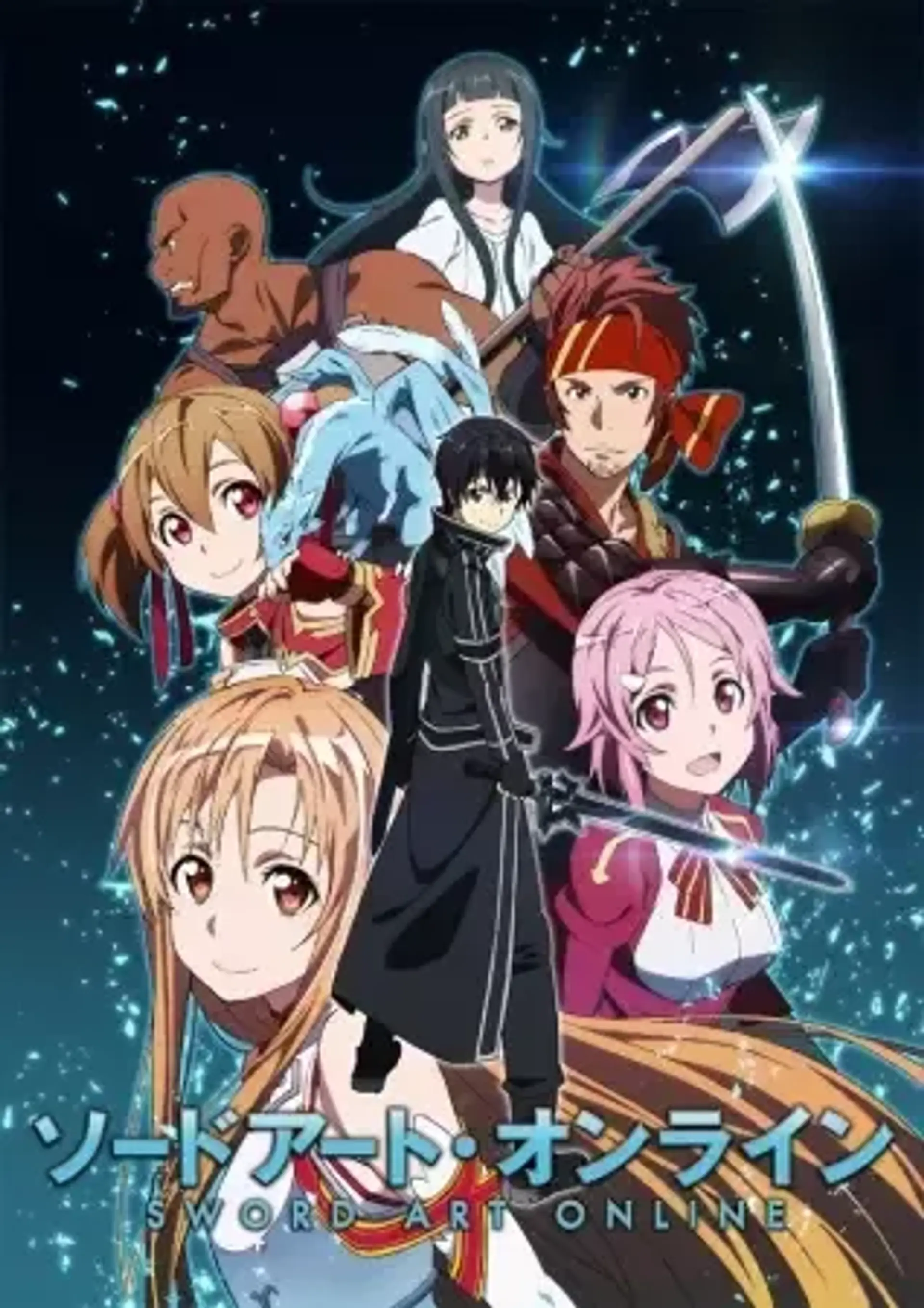
Deep DiveSummer 2012
Aincrad's Contours: A Critical Dissection of Sword Art Online's Inaugural Craftsmanship
Sword Art Online's 2012 debut captured a global audience with its compelling premise. This deep dive rigorously examines its foundational animation, narrative craft, and thematic depth, assessing how these elements coalesced to define a significant, albeit often debated, cultural phenomenon.
All Deep Dives
The premise of 'Sword Art Online' presented a captivating hook: a fully immersive virtual reality game where death in-game meant death in reality. This concept alone was a masterclass in initial engagement, drawing viewers into a world brimming with both technological marvel and existential dread. The early episodes adeptly established this perilous stakes, crafting an immediate sense of urgency and vulnerability that underscored the very fabric of Aincrad's existence. This foundational narrative craft set an incredibly high bar for the series' subsequent exploration of survival and identity.
Visually, 'Sword Art Online' largely delivered on the promise of a vibrant virtual world, particularly within the floating castle of Aincrad. The animation studio, A-1 Pictures, demonstrated a commendable effort in rendering the diverse environments, from verdant forests to towering urban districts, giving Aincrad a palpable sense of scale and presence. Character designs, while adhering to common anime aesthetics, were fluidly animated, especially during the numerous action sequences which were often dynamic and impactful, effectively conveying the urgency and danger of sword combat. This visual craft was instrumental in immersing the audience, making the digital world feel tangibly real.
The crafting of 'Sword Art Online's' initial Aincrad arc, while conceptually robust, faced challenges in its narrative execution and depth. The choice to implement significant time skips, though perhaps necessary for pacing, often condensed what could have been rich character development and world-building into episodic vignettes. While these moments highlighted key relationships and dramatic encounters, they sometimes sacrificed a deeper exploration of the psychological toll and complex social dynamics that a true death game scenario would inevitably foster. This narrative strategy left some thematic potential untapped, despite delivering thrilling individual moments.
The shift to the 'Fairy Dance' arc presented a stark deviation in both narrative focus and thematic exploration, challenging the series' established craft. This arc delved into a different kind of virtual reality, Alfheim Online, and introduced a more overt villainy and rescue mission structure, moving away from the survivalist narrative. While the animation maintained its quality in rendering a new, distinct world, the depth of character motivation and the perceived stakes felt comparatively diminished for some viewers, struggling to recapture the raw intensity of the Aincrad arc. This tonal and thematic pivot ultimately fragmented the series' initial promise and narrative coherence.