Unearthing Anime's Overlooked Gems: A Critical Look at Award-Winning Films
The Analytical Senpai
Author
In the vast, intricate tapestry of anime, certain works rightly garner universal acclaim, becoming benchmarks for animation quality and narrative craft. However, a wealth of equally deserving titles often recede into the periphery, their artistic merits recognized by juries but overlooked by the broader public. As we approach 2026, a year often marked by retrospection in critical circles, it becomes increasingly vital to shine a light on these forgotten masterpieces, understanding their historical context and enduring impact.
This analysis aims to spotlight five such films—each a recipient of significant industry awards—that exemplify exceptional visual storytelling, profound thematic depth, and innovative directorial vision, yet have not achieved the widespread recognition they inherently deserve. These are not merely 'good' anime; they are pivotal works that challenge conventions and expand the medium's expressive capabilities.
Ginga Tetsudou no Yoru
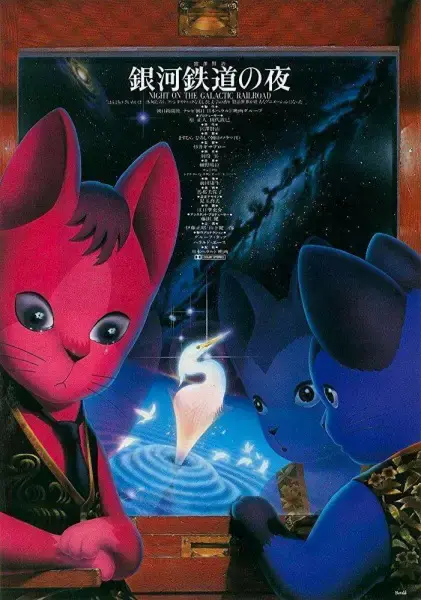
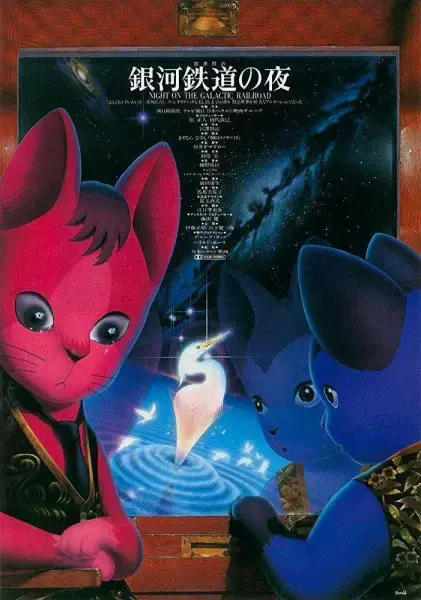
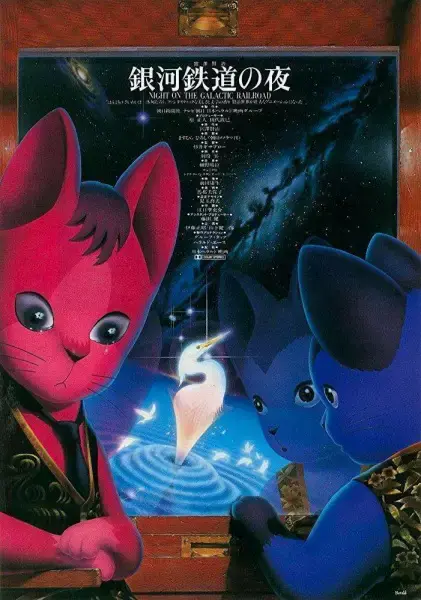
"Night on the Galactic Railroad" stands as a profoundly melancholic and allegorical journey, a testament to animation's capacity for poetic expression. Produced in 1985, this adaptation of Kenji Miyazawa's seminal novel masterfully translates its existential themes through a unique visual lexicon, featuring anthropomorphic cat characters that lend an ethereal, dreamlike quality to the narrative. Despite its modest score of 7.38 on broader aggregate platforms, its artistic integrity and thematic resonance concerning loss, the afterlife, and human connection are undeniable, making it a cornerstone for serious discussions on animated narrative craft.
As an older film with a distinct visual style and philosophical underpinning, "Night on the Galactic Railroad" often gets overshadowed by more commercially successful or accessible features from its era. Its slow, meditative pace and reliance on symbolic imagery, while deeply rewarding for those seeking contemplative cinema, naturally limits its mass appeal, firmly cementing its status as an overlooked, award-winning gem within the historical archive of anime.
The Sky Crawlers
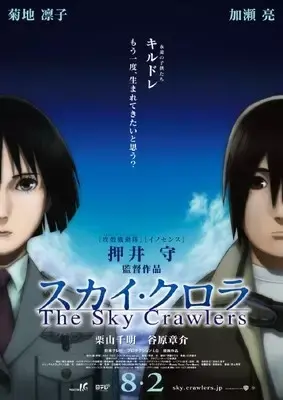
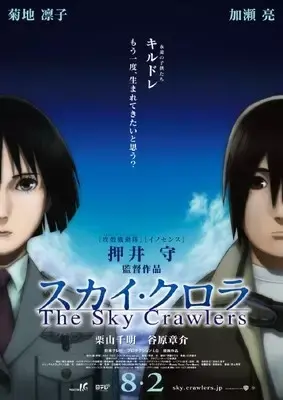
Directed by the visionary Mamoru Oshii and brought to life by Production I.G, "The Sky Crawlers" is a masterclass in atmospheric world-building and philosophical inquiry, receiving accolades for its sophisticated execution. The film, clocking in at a single feature-length episode, meticulously crafts an alternate reality where war is a spectacle performed by eternally young pilots. Oshii's signature contemplative pacing allows for deep dives into themes of identity, the cyclical nature of conflict, and the meaning of existence, underpinned by exquisite background art and fluid aerial combat sequences that showcase Production I.G's formidable technical prowess in CG integration.
While Mamoru Oshii is a celebrated auteur, his works, including "The Sky Crawlers" (score 7.26), often cater to a more niche audience due to their intellectual density and deliberate narrative rhythm. This film, with its profound philosophical discourse disguised within stunning aerial choreography, often escapes the notice of viewers accustomed to more action-driven or overtly emotional narratives, thereby becoming an overlooked highlight in the filmography of a directorial giant.
Yoake Tsugeru Lu no Uta
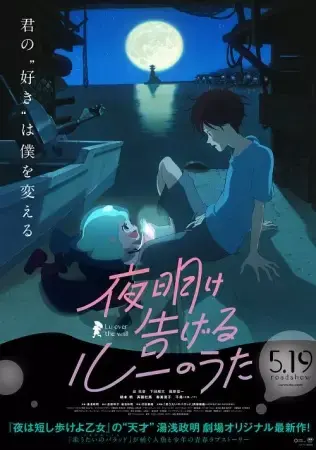
Masaaki Yuasa's "Lu Over the Wall" is an explosion of vibrant animation and unbridled creativity, a distinct entry in the oeuvre of Studio Science Saru. Awarded for its originality and exuberant visual style, this film, with its score of 7.39, eschews conventional character designs and animation principles to deliver a story bursting with energy and a genuine sense of childlike wonder. Yuasa's signature rubber-hose animation style is perfectly utilized to depict a whimsical narrative about acceptance, tradition, and the transformative power of music, making every frame a dynamic composition rich in expressive character acting and fluid motion.
Despite garnering critical acclaim and awards, Yuasa's distinctive visual lexicon can be an acquired taste, leading "Lu Over the Wall" to be less universally consumed compared to films with more conventional aesthetics. Its vibrant, almost anarchic animation style, while celebrated by critics and animation enthusiasts for its refreshing take on visual storytelling, means it often flies under the radar for those accustomed to more mainstream design sensibilities, making it a truly deserving hidden gem.
Alice to Therese no Maboroshi Koujou
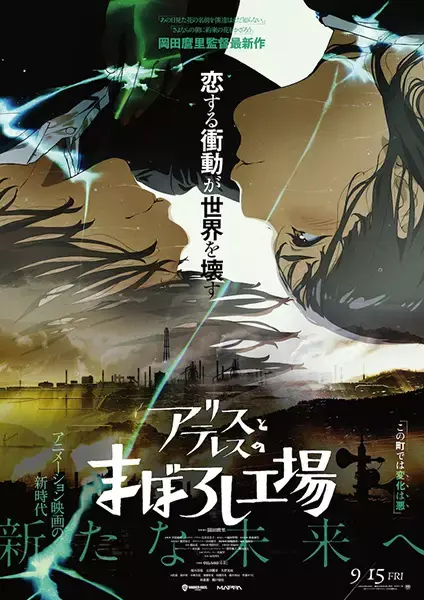
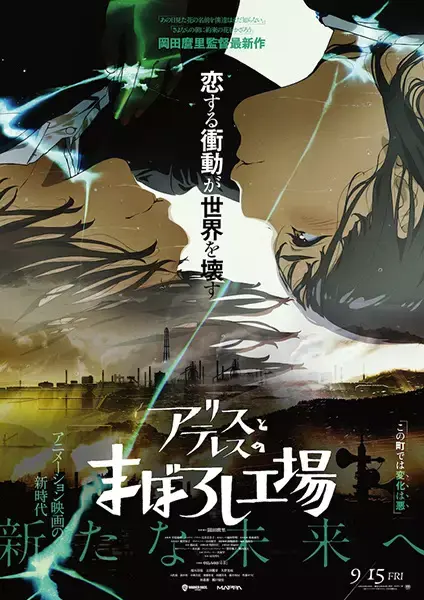
MAPPA's "Maboroshi" (score 7.24) is a recent cinematic endeavor that showcases the studio's formidable capabilities in crafting visually stunning and emotionally resonant narratives. The film plunges viewers into a mysterious stasis where time itself is fractured, exploring the psychological toll and complex interpersonal dynamics that emerge from such an isolated existence. The animation features meticulous attention to detail in its atmospheric setting and nuanced character expressions, creating a pervasive sense of melancholia and existential dread that permeates the narrative, allowing for a deeply introspective examination of grief, longing, and the human desire for change.
Released amidst a flurry of high-profile productions, "Maboroshi" often finds itself overshadowed, despite its critical accolades and compelling narrative. Its intricate plot, which requires careful attention to its subtle thematic explorations and character development, positions it as a more contemplative experience. This contemplative nature, coupled with its relatively recent release and less bombastic marketing, contributes to its status as a significant award-winning film that many cinephiles are yet to discover.
Nakitai Watashi wa Neko wo Kaburu


"A Whisker Away," from Studio Colorido, is an elegantly crafted fantasy drama that deftly blends the fantastical with the poignant struggles of adolescence, achieving a score of 7.35 and critical recognition for its heartwarming narrative. The film features smooth, expressive character animation and beautifully rendered backgrounds that evoke both the mundane realities of high school life and the enchanting allure of its magical realism elements. It delves into the complexities of self-acceptance and unrequited affection through a unique premise involving magical masks, showcasing a thoughtful approach to character psychology and emotional depth across its single-episode runtime.
While Studio Colorido consistently produces high-quality feature films, "A Whisker Away" often resides outside the immediate consciousness of the broader anime-watching demographic, perhaps overshadowed by the established giants of animated cinema. Its nuanced exploration of identity and first love, presented with a gentle touch and refined animation, makes it a prime candidate for an award-winning film that deserves a wider audience, positioning it as a quietly exceptional entry in the modern anime landscape.
The landscape of award-winning anime extends far beyond the most commonly discussed titles. These five films represent but a fraction of the meticulously crafted, deeply thoughtful works that have garnered critical recognition but have yet to permeate mainstream consciousness. Exploring these hidden gems enriches our understanding of animation's artistic potential and encourages a more discerning appreciation for the diversity of narrative and visual styles within the medium. We invite you to share your own discoveries of overlooked, critically acclaimed anime in the comments below.
Stay tuned to Anime Deluxe for more in-depth analyses, including our upcoming feature on the unsung directors who shaped anime's golden age.
"True analytical insight lies not just in recognizing the celebrated, but in unearthing the profound within the overlooked." — The Analytical Senpai
Related Blogs
View all →
Still Worth Watching? 5 Supernatural Anime That *Actually* Hold Up (Even in 2026)
Unravel Top 5 Short Mystery Anime: Perfect Weekend Binge Watches

2026's Top 5 Mystery Anime: Are They Worth Your Cynical Gaze?

Shoujo Scarcity? These 7 Unlikely Anime Deliver the Feels
Comments (0)
No comments yet. Be the first to share your thoughts!