Top 5 Anime Fantasy Worlds: A Journey Through Animation Excellence
The Analytical Senpai
Author
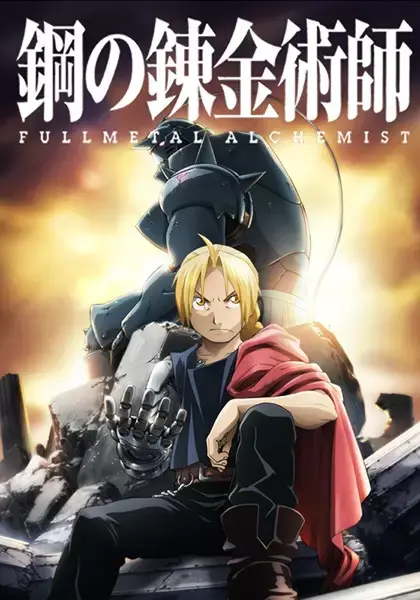
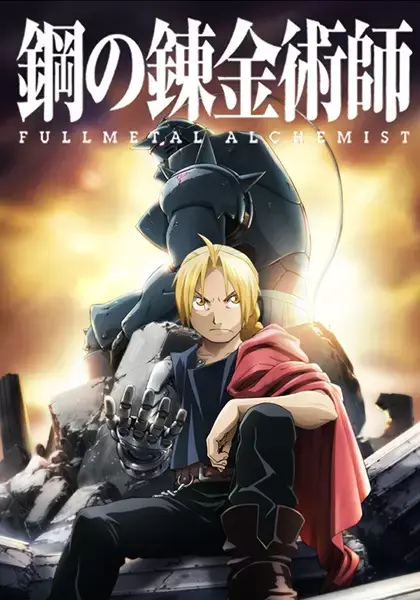
The allure of fantasy anime lies not merely in its escapist narratives, but in the profound depth and meticulous detail with which these worlds are constructed. For seasoned observers of the animation industry, the creation of these immersive realms is a testament to the evolving production pipelines and the artistic prowess of dedicated studios.
From the intricate societal structures to the very fabric of magical laws, the best fantasy anime offer more than just adventure; they present complex ecosystems that resonate with our own realities. Today, we traverse through five such exemplary worlds, examining not just their narrative merit but also the animation quality and studio legacies that make them truly unforgettable destinations.
Fullmetal Alchemist: Brotherhood
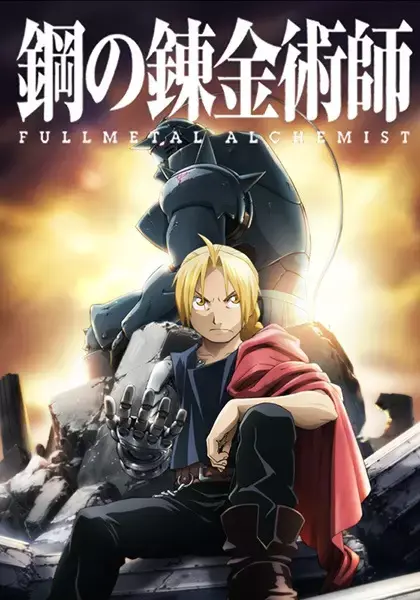
Studio Bones' magnum opus, Fullmetal Alchemist: Brotherhood, stands as a monumental achievement in anime storytelling and animation. The world of Amestris, governed by the complex and unforgiving laws of alchemy, is rendered with an astonishing level of detail and internal consistency. The 'Equivalent Exchange' principle isn't just a plot device; it's a philosophical cornerstone that permeates every aspect of the narrative, forcing its protagonists, Edward and Alphonse Elric, to confront profound moral dilemmas. The sakuga, particularly in action sequences and alchemical transformations, is consistently high-caliber, showcasing the studio's mastery of fluid character animation and dynamic visual effects. Brotherhood’s production pipeline was a well-oiled machine, ensuring that the narrative's emotional beats and grand scale were matched by visual fidelity, a rarity even among top-tier productions.
Beyond the breathtaking animation, the series' strength lies in its mature exploration of themes such as sacrifice, loss, the ethics of scientific pursuit, and the nature of humanity. The intricate plot, adapted from Hiromu Arakawa's manga with remarkable faithfulness, weaves a tapestry of political intrigue, military machims, and existential dread. The character designs are iconic, and the voice acting elevates every interaction. It's a world that feels lived-in, dangerous, and ultimately, deeply human, making its high score on MAL a well-earned recognition of its lasting impact.
Sword Art Online
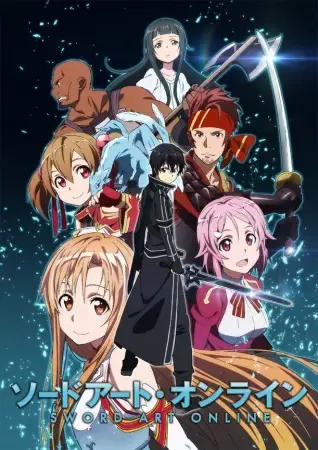
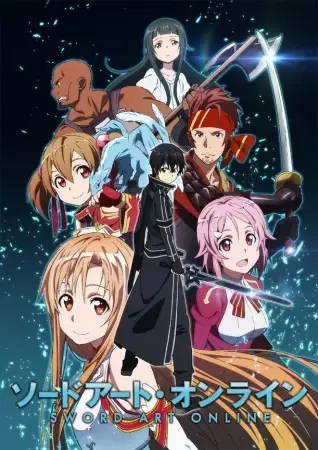
The advent of Sword Art Online, produced by A-1 Pictures, introduced a generation to the concept of full-dive virtual reality and its inherent dangers. While the initial premise of being trapped within an MMORPG held immense narrative potential, its execution through various arcs has been a subject of considerable debate within the animation discourse. The early seasons, particularly Aincrad, showcased moments of impressive sakuga, especially during high-stakes combat scenarios that effectively conveyed the desperation of players facing permadeath. The animation here was crucial in selling the immersion and the visceral threat of the game world.
However, the subsequent arcs have seen a more varied animation quality, reflecting the challenges of maintaining a consistent production pipeline across numerous storylines and an expanding cast. Despite these fluctuations, the world of SAO, with its distinct game mechanics and diverse environments, has undeniably captured the imaginations of many. Its influence on the 'isekai' and 'virtual world' subgenres is undeniable, solidifying its place as a significant, albeit sometimes controversial, entry in the fantasy anime landscape.
Hunter x Hunter (2011)
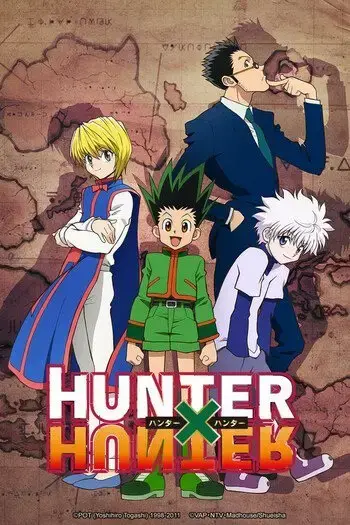
Madhouse’s 2011 adaptation of Hunter x Hunter is a masterclass in world-building and narrative evolution, presenting a fantasy realm that is both vast and intricately designed. The world of Hunters is not a static backdrop; it's a dynamic entity populated by individuals pursuing extreme goals, from discovering hidden treasures to battling monstrous beasts. The anime meticulously details the 'Nen' system, a complex form of energy manipulation that forms the backbone of its combat and character progression. The studio’s dedication to showcasing this system through visually distinct techniques and impactful sakuga is evident in every power-up and confrontation.
What sets Hunter x Hunter apart is its willingness to delve into darker themes and explore the psychological toll of its characters' endeavors. The Chimera Ant arc, in particular, pushes the boundaries of what shonen anime can achieve, with animation that matches its narrative intensity. The production pipeline under Madhouse ensured that the series’ pacing remained deliberate, allowing for deep character development and strategic combat sequences that are a hallmark of the series. It’s a world that invites exploration, challenge, and constant re-evaluation of what it means to be truly powerful.
Naruto
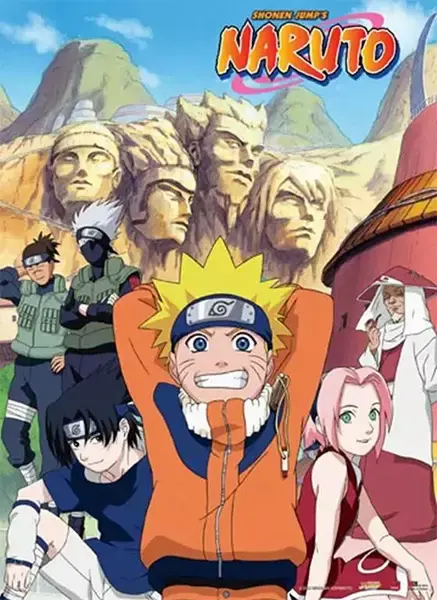
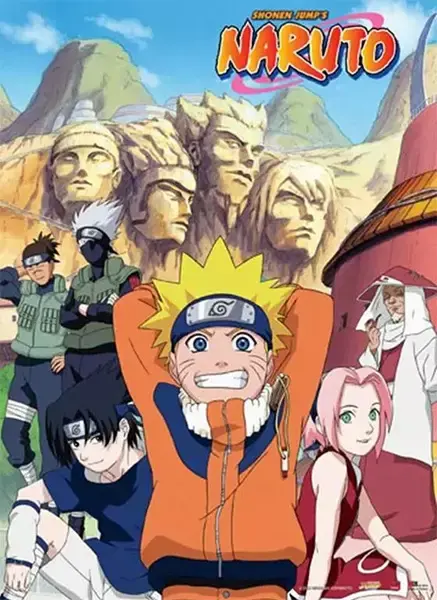
Studio Pierrot's Naruto, a global phenomenon, established a vibrant fantasy world built upon the foundation of ninja clans and elemental chakra. The Hidden Leaf Village and its surrounding nations form a compelling geopolitical landscape, rich with unique traditions, political machinations, and a deep history of conflict. The series' iconic visual style, while evolving over its extensive run, consistently delivered memorable character designs and impactful jutsu sequences. The sakuga, especially during key battles in the original Naruto and Naruto: Shippuden, often reached impressive heights, capturing the speed, power, and distinctiveness of each ninja's abilities.
The production pipeline for such a long-running series undoubtedly faced challenges, but Pierrot’s ability to maintain a recognizable aesthetic and deliver on key animated moments for over a decade is commendable. The world of Naruto is more than just a setting; it's a character in itself, shaped by the struggles and triumphs of its inhabitants. Its enduring popularity speaks to the strength of its lore and the compelling nature of its fantastical elements.
Tokyo Ghoul
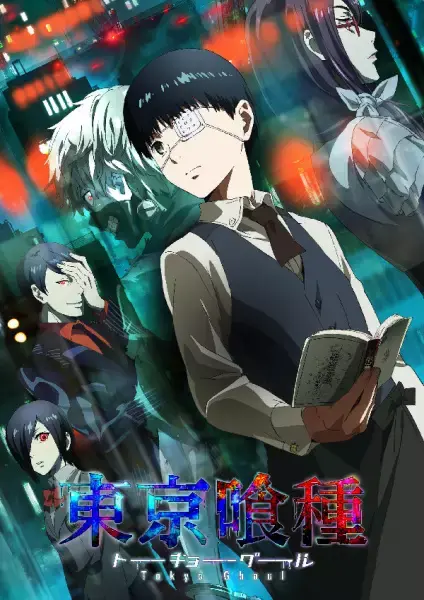
Studio Pierrot's Tokyo Ghoul presents a starkly different, more urban fantasy landscape. The world of Tokyo is subtly bifurcated, with the existence of 'ghouls' – beings who subsist on human flesh – operating in the shadows of human society. This premise immediately imbues the narrative with a sense of dread and unease, which is amplified by the series' visual presentation. The animation, particularly in depicting the kagune – the predatory organs of ghouls – and the visceral combat that ensues, is often striking and contributes significantly to the show's dark atmosphere.
While the adaptation has been met with mixed reception regarding its pacing and adherence to the source material's depth, the animation quality during its high points is undeniable. The visual storytelling effectively conveys the internal conflict of its protagonist, Ken Kaneki, as he navigates his new, terrifying reality. The series' exploration of identity and prejudice, set against this backdrop of hidden monsters, offers a unique take on the fantasy genre, showcasing how animation can be used to craft disturbing yet captivating worlds.
These five worlds, each with their unique blend of magic, lore, and visual artistry, represent the pinnacle of fantasy anime world-building. From the rigorous laws of alchemy to the shadowy underbelly of a modern metropolis, the animation industry continues to push boundaries, crafting experiences that are both breathtakingly beautiful and thought-provoking.
But this is merely a curated glimpse. The vast expanse of anime fantasy awaits. What are your personal favorite realms to explore? Which studios and productions have left an indelible mark on your appreciation for animated fantasy? Let your Analytical Senpai know your top picks below.
"Ah, more worlds to analyze and dissect. My quill is ready, but my patience for poorly animated plot devices is not. - The Analytical Senpai" — The Analytical Senpai
Related Blogs
View all →
Still Worth Watching? 5 Supernatural Anime That *Actually* Hold Up (Even in 2026)
Unravel Top 5 Short Mystery Anime: Perfect Weekend Binge Watches
2026's Top 5 Mystery Anime: Are They Worth Your Cynical Gaze?
Shoujo Scarcity? These 7 Unlikely Anime Deliver the Feels
Comments (0)
No comments yet. Be the first to share your thoughts!