Timeless Scares: Why These Classic Horror Anime Endure Until 2026
The Analytical Senpai
Author
In the ever-shifting landscape of animation, certain titles establish benchmarks, particularly within the horror genre. While contemporary offerings push boundaries with new visual techniques and psychological complexities, the enduring power of foundational works often gets overlooked. As we navigate 2026, it becomes imperative to revisit the classics—those anime that meticulously crafted narratives of terror, perfected atmospheric tension, and displayed a mastery of visual storytelling that continues to resonate.
This curated selection delves into five pivotal horror anime, each a testament to narrative craft, thematic depth, and often, pioneering animation quality. These are not merely historical footnotes; they are active purveyors of dread, whose thematic explorations and visual executions remain strikingly potent even by today's standards.
Kenpuu Denki Berserk
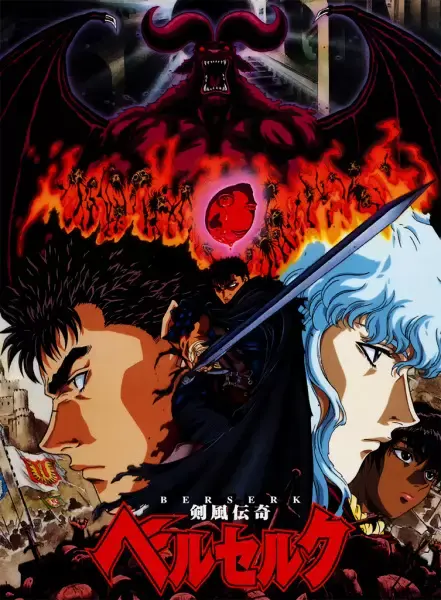
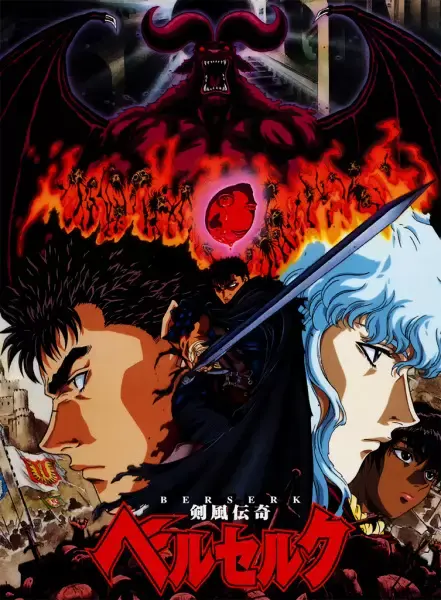
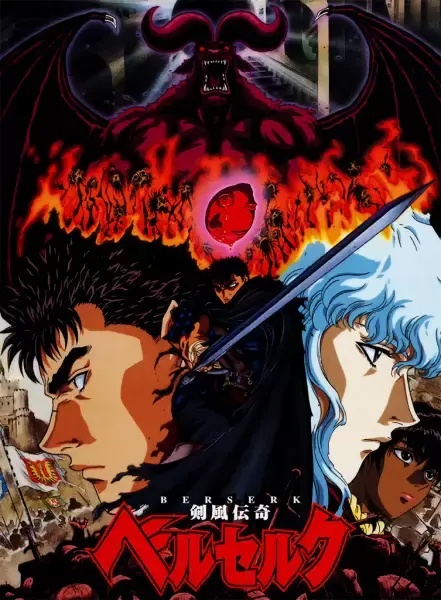
The 1997 adaptation of Kentaro Miura's 'Berserk' stands as a titan of dark fantasy, yet its horror bona fides are undeniable. This 25-episode series, boasting an impressive score of 8.61, masterfully translates the manga's visceral dread, body horror, and profound psychological torment into animated form. The series' deliberate pacing, unsettling sound design, and often limited but impactful animation choices—particularly in depicting demonic entities and Guts's burgeoning trauma—create an atmosphere of relentless despair and cosmic terror that few productions achieve.
What solidifies 'Kenpuu Denki Berserk' as a classic is its unflinching commitment to its grim vision. It doesn't merely present monsters; it delves into the horror of human ambition, betrayal, and the fragility of the soul. Its narrative craft and thematic weight, despite the animation techniques of its era, ensure its place as a foundational work of horror, influencing subsequent dark fantasy and horror titles for decades.
Akira
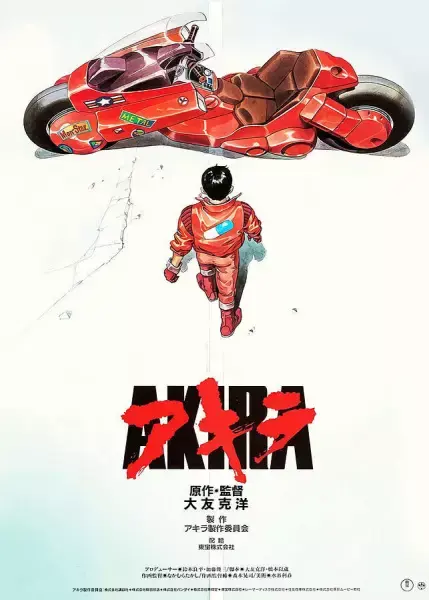
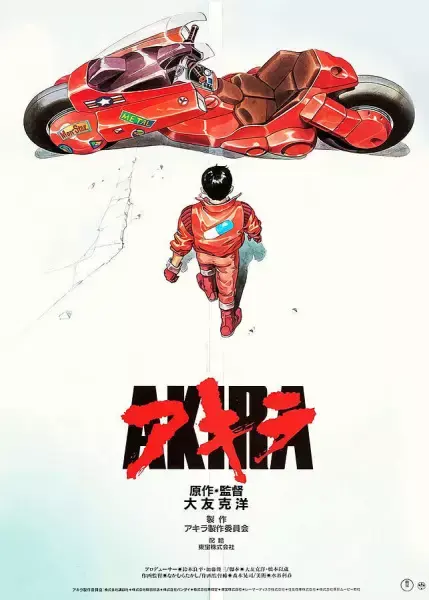
Katsuhiro Otomo's 1988 cinematic masterpiece, 'Akira,' with its formidable score of 8.16, transcends mere science fiction to become a monumental work of body horror and societal dread. The film's legendary sakuga, led by animators like Takeshi Honda and Yoshikazu Yasuhiko, set an unprecedented standard for intricate detail and fluid motion, particularly in its grotesque transformations and destructive sequences. The narrative explores unchecked power, governmental conspiracy, and the horrifying potential of human evolution, all underscored by an urban landscape teetering on the brink of collapse.
Its status as an enduring classic is cemented not just by its technical brilliance, but by its thematic depth concerning adolescent rage, existential dread, and post-apocalyptic anxieties. 'Akira' remains a terrifying vision of societal decay and the monstrous capabilities latent within humanity, a cinematic achievement whose influence on animated sci-fi and horror is immeasurable, solidifying its hold on audiences even today.
Vampire Hunter D: Bloodlust
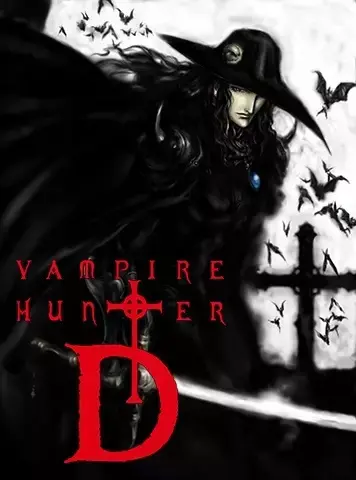
Madhouse's 'Vampire Hunter D: Bloodlust,' released in 2000, is a gothic horror spectacle that epitomizes the elegance and brutality of the genre. With a respectable score of 7.98, the film showcases a sublime fusion of character design by Yoshitaka Amano and animation direction that prioritizes atmosphere and kinetic action. Every frame is imbued with a sense of melancholic beauty and impending danger, from D's stoic grace to the grotesque yet captivating designs of the Nobility's servants. The narrative craft meticulously builds tension, intertwining a desperate rescue mission with a tragic love story, all set against a desolate, post-apocalyptic future.
This film’s classic status stems from its unparalleled visual storytelling and its redefinition of the gothic horror aesthetic in animation. It transcends a simple creature feature, delving into themes of prejudice, sacrifice, and the eternal struggle between light and shadow. 'Bloodlust' is a masterclass in world-building and character portrayal, ensuring its place as a cornerstone of animated horror for its meticulous artistry and enduring appeal.
Gakkou no Kaidan
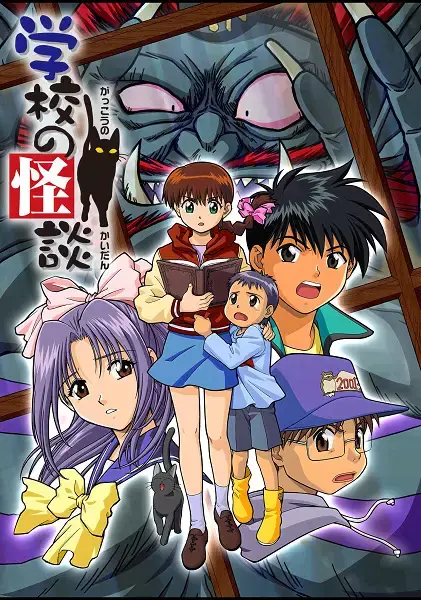
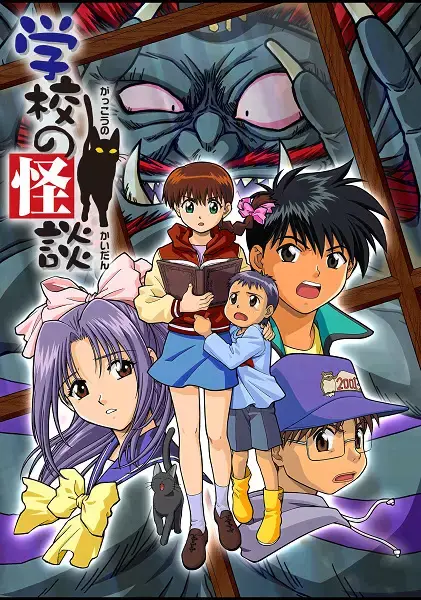
The 2000 series 'Gakkou no Kaidan,' or 'Ghost Stories,' is a fascinating specimen of episodic supernatural horror, achieving a score of 7.75 over its 19 episodes. Unlike its more comedic English localization, the original Japanese production adheres faithfully to classic Japanese folklore and urban legends, presenting a series of genuinely unsettling encounters. The narrative craft relies on building suspense through traditional horror tropes: isolated settings, mysterious phenomena, and the vulnerability of its young protagonists. The series excels at crafting distinct, fear-inducing scenarios for each spirit, leveraging sound design and stark visuals to great effect.
Its enduring appeal as a classic horror anime lies in its unadulterated embrace of traditional ghost storytelling, making it a foundational watch for those interested in the cultural nuances of Japanese supernatural narratives. 'Gakkou no Kaidan' provides an accessible yet effective entry point into the genre, proving that well-executed episodic horror, grounded in folklore, can maintain its chilling impact through the decades.
Berserk: Ougon Jidai-hen II - Doldrey Kouryaku
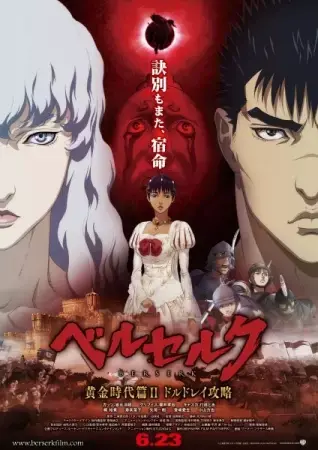
While part of a larger cinematic trilogy, 'Berserk: The Golden Age Arc II - The Battle for Doldrey,' scoring 7.87, serves as a crucial chapter in the overarching horror narrative of 'Berserk.' This film exemplifies the horror not just of monstrous entities, but of brutal warfare and its psychological toll. Studio 4°C’s utilization of CGI, while initially contentious, allowed for immense scale in battle sequences, paradoxically enhancing the visceral, claustrophobic dread of a medieval siege. The relentless onslaught and the sheer brutality depicted contribute significantly to the narrative's escalating sense of despair, a precursor to the true cosmic horror that defines the saga.
This entry is a classic because it meticulously builds the foundation for the ultimate descent into terror. It portrays the horror of human ambition and the devastating consequences of war, deepening the viewer's understanding of the characters' trauma and the world's inherent cruelty. Its contribution to the 'Berserk' legacy is vital, showcasing how the seemingly mundane horrors of conflict can pave the way for unspeakable cosmic dread.
The power of horror anime, as evidenced by these enduring classics, transcends ephemeral trends. Their mastery of narrative tension, psychological depth, and visual impact ensures their continued relevance, challenging audiences year after year. We invite you to revisit these seminal works and share your own interpretations of their lasting impact in the comments below. Which classic horrors still send shivers down your spine?
Next time, we’ll analyze how modern studios are reinterpreting classic shonen tropes for a new generation.
"True dread isn't about jump scares; it's about the meticulously crafted decay of the human spirit and the relentless march of existential despair, animated with uncompromising vision." — The Analytical Senpai
Related Blogs
View all →
Still Worth Watching? 5 Supernatural Anime That *Actually* Hold Up (Even in 2026)
Unravel Top 5 Short Mystery Anime: Perfect Weekend Binge Watches

2026's Top 5 Mystery Anime: Are They Worth Your Cynical Gaze?
Shoujo Scarcity? These 7 Unlikely Anime Deliver the Feels
Comments (0)
No comments yet. Be the first to share your thoughts!