Psyche Rewired: 5 Anime Classics Still Shaping Minds in 2026
The Analytical Senpai
Author


As we progress further into 2026, the landscape of animated storytelling continues its rapid evolution, yet the foundational works that explored the human psyche maintain an undeniable relevance. While many contemporary productions opt for surface-level thrills, a select few classic psychological anime dared to navigate the labyrinthine corridors of identity, reality, and existential dread with a profundity that demands continued examination. These are not merely stories to be consumed; they are experiences designed to provoke introspection and challenge perception.
This curated selection represents narratives whose thematic depth, innovative animation, and masterful narrative craft transcend their original release dates. Each entry stands as a testament to the power of animation to articulate complex internal states, proving that true insight remains timeless, irrespective of technological advancements in production.
Serial Experiments Lain

Released in 1998, "Serial Experiments Lain" remains a foundational text in exploring the blurring lines between physical reality and digital consciousness, predating much of our current internet-saturated existence. With a solid score of 8.1 across 13 episodes, Triangle Staff's production, driven by director Ryutaro Nakamura and character designer Yoshitoshi ABe, utilized an experimental narrative structure and a distinct visual lexicon. Its minimalist yet deeply atmospheric art direction, coupled with a haunting soundscape, immerses the viewer in Lain Iwakura’s fragmented perception of self as she navigates the Wired.
Its enduring classic status stems from its profound philosophical inquiries into identity formation in a technologically mediated world, a theme only growing more pertinent today. The series' deliberate pacing and ambiguous storytelling demand active engagement, rewarding viewers with a chillingly prescient vision of digital existentialism that continues to provoke thought long after the final credits roll.
FLCL


"FLCL," a six-episode OVA series from Gainax and Production I.G., defies conventional classification, presenting a frenetic and deeply symbolic exploration of adolescence through the lens of pure id. With a strong score of 8.04, Kazuya Tsurumaki's directorial vision is characterized by its explosive visual dynamism, rapid-fire comedic timing, and a fluid approach to animation that frequently breaks the fourth wall. The series utilizes a distinctive visual style, often shifting between animation techniques and art styles to convey Naota Nandaba’s turbulent internal landscape and his grappling with the burgeoning chaos of puberty.
What solidifies "FLCL" as a classic is its audacious narrative craft, which eschews traditional plotting for a visceral, emotionally charged ride. It brilliantly captures the disorientation and emotional volatility of coming-of-age, using surreal imagery and extraordinary sakuga sequences—particularly the mecha battles and character expressions—to externalize deeply psychological conflicts. Its raw energy and thematic resonance regarding identity and maturation remain impactful.
Yojouhan Time Machine Blues
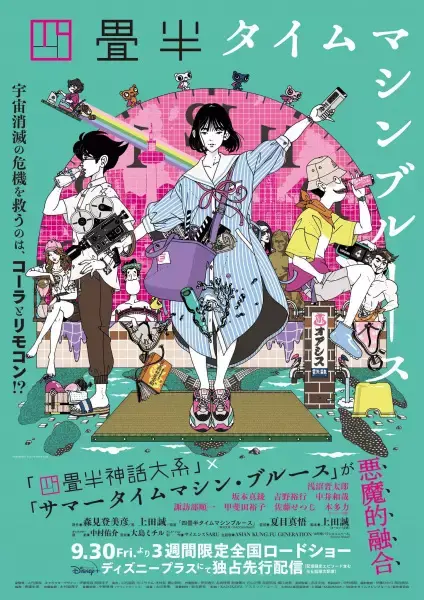
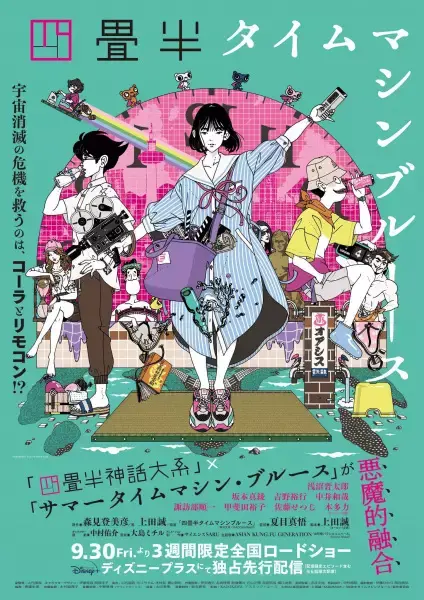
"Yojouhan Time Machine Blues," a recent continuation directed by Shingo Natsume and brought to life by Science SARU, impressively carries the thematic torch of its revered predecessor, "The Tatami Galaxy." Scoring 8.18 over six episodes, this work plunges viewers back into the intricate, stream-of-consciousness narrative style that defines its universe. The studio's distinctive animation style, characterized by fluid motion and vibrant color palettes, perfectly complements the protagonist's rapid-fire internal monologues as he confronts the existential anxieties of choice and regret, even amidst a seemingly trivial summer predicament.
Its status as a classic is bolstered by its narrative continuation of a celebrated psychological framework, demonstrating that profound explorations of human nature can be timeless. The anime's ability to juxtapose comedic absurdity with deep philosophical pondering about the 'what ifs' of life, all wrapped in a visually engaging package, ensures its continued relevance for those seeking intellectual stimulation through animation.
Higurashi no Naku Koro ni Kai


"Higurashi no Naku Koro ni Kai," the pivotal second season released in 2007 by Studio DEEN, elevates the franchise beyond mere horror into a sophisticated psychological thriller. With a high score of 8.16 across its 24 episodes, this installment masterfully peels back the layers of its cyclical narrative, moving from disorienting terror to a meticulously constructed unraveling of truth. The series excels in manipulating viewer perception, using its initially unsettling character designs and a pervasive atmosphere of paranoia to deepen the psychological impact of its mysteries, focusing intensely on Rika Furude's struggle against an inescapable fate.
Its enduring impact as a classic psychological series lies in its complex exploration of trauma, trust, and the human capacity for manipulation and perseverance. By meticulously revealing the 'answer arcs,' "Kai" transforms a narrative of escalating madness into a profound examination of how past events shape present realities and how characters attempt to break free from self-destructive cycles, a narrative feat rarely achieved with such depth.
Evangelion Movie 2: Ha
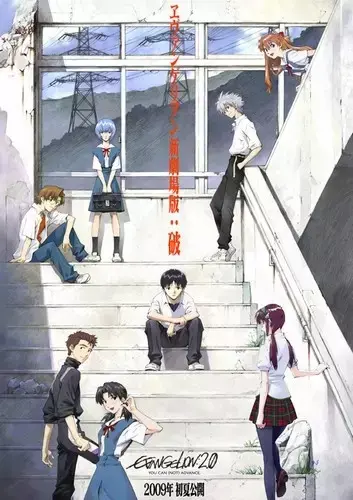
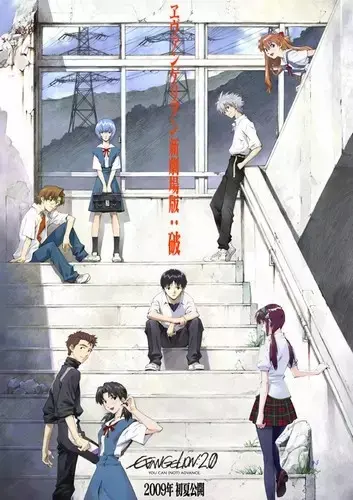
"Evangelion: 2.0 You Can (Not) Advance," a significant entry in Studio Khara's Rebuild film series, solidifies its psychological weight even within an overarching saga. Earning a formidable score of 8.29, this film showcases an exceptional level of technical prowess, from its fluid mecha sakuga during Angel encounters to its intricately detailed world-building. Under Hideaki Anno's continued guidance, the narrative deliberately recontextualizes established character dynamics, particularly with Shinji, Rei, and Asuka, pushing their emotional thresholds and highlighting their deep-seated insecurities against a backdrop of escalating global peril.
This film holds up as a psychological classic due to its unflinching deconstruction of its characters' mental states, even while delivering heightened action. It meticulously explores themes of connection, self-worth, and the burden of responsibility, utilizing the high production values to underscore the internal struggles of its cast. Its powerful visual storytelling and character-driven drama ensure its place as a thought-provoking piece within the broader Evangelion narrative.
The sustained analytical depth of these titles proves that the greatest narratives are those that resonate with the fundamental questions of human existence, irrespective of their era. These five anime stand as monumental achievements in psychological storytelling, challenging audiences to look inward and ponder the nature of reality, identity, and the intricate workings of the mind. We invite you to delve into these works and share your own interpretations and cherished psychological anime in the comments below.
Stay tuned to Anime Deluxe for more insightful critiques, including our upcoming examination of pioneering science fiction anime and their impact on global animation trends.
"The mind, after all, remains the most intricate and compelling landscape for any narrative exploration." — The Analytical Senpai
Related Blogs
View all →
Still Worth Watching? 5 Supernatural Anime That *Actually* Hold Up (Even in 2026)
Unravel Top 5 Short Mystery Anime: Perfect Weekend Binge Watches

2026's Top 5 Mystery Anime: Are They Worth Your Cynical Gaze?

Shoujo Scarcity? These 7 Unlikely Anime Deliver the Feels
Comments (0)
No comments yet. Be the first to share your thoughts!