Mind Games for Rookies: Your 2026 Intro to Psychological Anime
The Tsundere Critic
Author
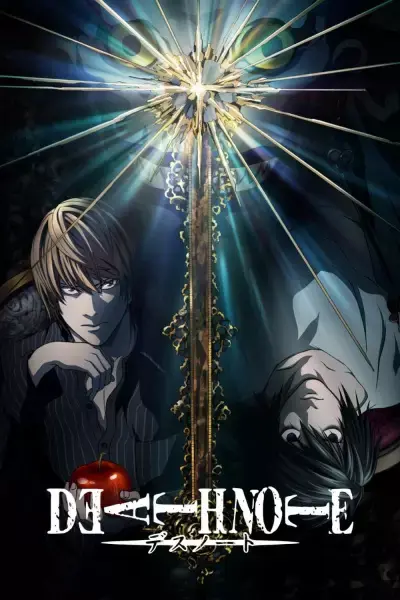
Alright, listen up. Every other year, someone asks me for 'beginner-friendly' psychological anime, usually expecting some watered-down nonsense. And frankly, it's annoying. But fine, since it’s 2026 and you rookies still can't tell a compelling mind game from a bad fever dream, I've *reluctantly* compiled a list that won't make your brain melt on impact. Most guides just throw classics at you without considering if you can actually *process* them, which is just lazy advice, if you ask me.
These aren't just shows with a vague sense of 'deep thoughts'; they're genuinely well-crafted narratives that tackle complex themes without requiring a philosophy degree. You’ll find stories here that play with morality, identity, and the very fabric of sanity, all while still managing to hold your attention. Don't thank me, just try to keep up.
Death Note
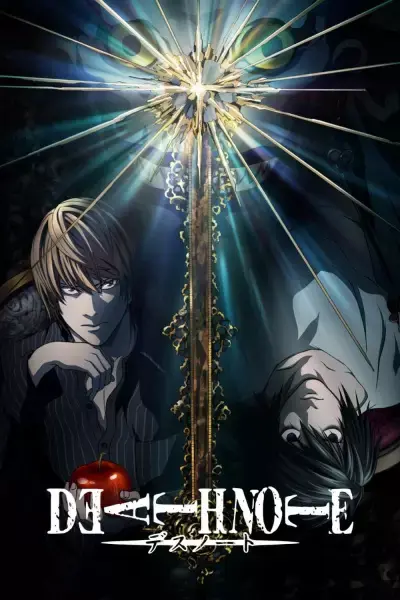
Oh, *Death Note*. The gateway drug of psychological thrillers. Don't pretend you haven't heard of it. Released back in 2006, this 37-episode series isn't just about a magic notebook; it’s a high-stakes chess match between two brilliant minds, Light and L, each convinced of their own twisted brand of justice. It’s less about brute force and more about psychological warfare, moral relativism, and the corrupting nature of absolute power. And with an 8.62 score, it’s not just hype; it's genuinely captivating.
It's perfect for beginners because the premise is simple: guy finds notebook, writes names, people die. But the cat-and-mouse game unfolds with such clarity and escalating tension that you're always engaged, even as the characters dive deep into their ethical conundrums. You don't need a philosophy degree to understand why Light's descent is so chilling.
Tokyo Ghoul


Now, *Tokyo Ghoul*. Don't get me started on how the later seasons lost their way, but the initial 2014 run, especially those first 12 episodes, is a decent enough entry point into identity crisis and moral ambiguity. Our protagonist, Kaneki, finds himself literally caught between two worlds, struggling with his humanity (or lack thereof) while navigating a society where his very existence is considered monstrous. It’s got a 7.79 score, which is… fine, for what it is.
The reason this works for beginners is its overt exploration of what it means to be 'human' and the psychological toll of being an outsider. The gore might be a bit much for some, but the core theme of a character fighting his own nature, constantly questioning his place, is immediately relatable and easily digestible compared to some of the truly abstract stuff out there.
Monster
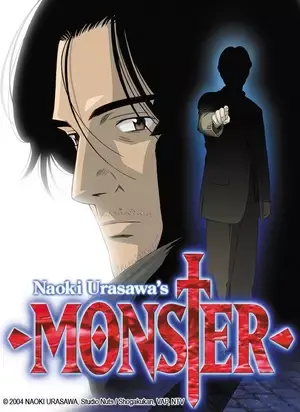
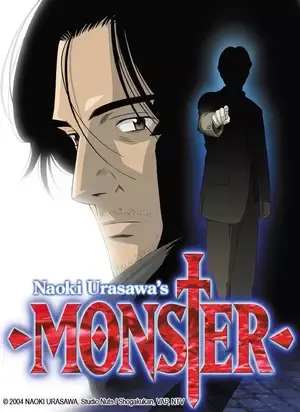
Alright, *Monster*. This one isn't for the faint of heart or those with short attention spans, but it's an absolute masterclass. From 2004, spanning a hefty 74 episodes, it boasts an impressive 8.89 score for a reason. Dr. Tenma's moral dilemma – saving a child who becomes a serial killer – unravels into a sprawling, mature narrative about fate, free will, and the very nature of evil. It’s a slow burn, meticulously crafted, and utterly devoid of cheap tricks.
While longer than others on this list, it's surprisingly accessible for beginners in its psychological depth because it's grounded in realism. There are no superpowers or magic notebooks, just compelling characters driven by complex motivations. You’re not trying to piece together abstract symbolism; you’re following a human being's agonizing journey through a world tainted by a truly insidious evil. It rewards patience, immensely.
Shinseiki Evangelion
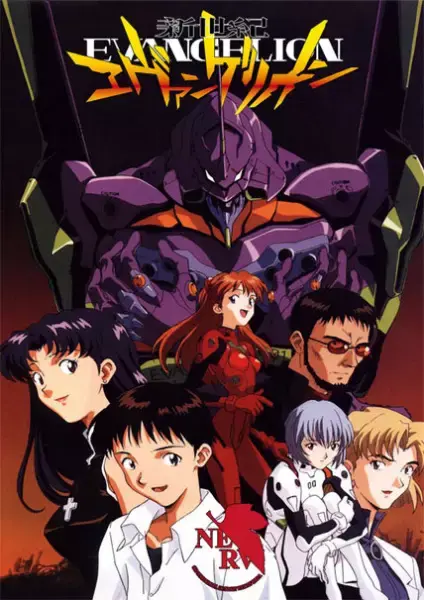
And then there's *Neon Genesis Evangelion*. Look, if you haven't heard of it, you've clearly been living under a rock since 1995. This 26-episode series with an 8.37 score is a cornerstone of the genre for a reason, but it's not a walk in the park. It masquerades as a giant robot show, but it’s really a brutal deconstruction of depression, existentialism, and the human psyche. Shinji Ikari is probably the most relatable (and frustrating) protagonist you'll ever encounter in his raw, unfiltered vulnerability.
For a beginner, *Evangelion* is a trial by fire, but an essential one. While it gets incredibly abstract towards the end, the early episodes set up enough character drama and intriguing mysteries to hook you. It teaches you that sometimes, the 'psychological' aspect isn't about clever deductions, but about confronting uncomfortable truths about yourself and the people around you. Just be prepared; it’s not going to hold your hand.
Shinseiki Evangelion Movie: Air/Magokoro wo, Kimi ni


Now, pay attention: *Neon Genesis Evangelion: The End of Evangelion*. This isn't a standalone movie for 'absolute beginners.' Anyone who tells you to watch this first is either trying to break your brain or hasn't actually seen it. This 2006 film, with its 8.57 score, is the *true*, utterly devastating conclusion to the *Neon Genesis Evangelion* series, picking up exactly where the TV anime left off. It's a psychological assault, a masterpiece of existential dread and mind-bending imagery that absolutely requires the context of the series to even begin to comprehend.
Therefore, for an absolute beginner, *this is not a starting point*. It's the grand finale, the final boss of psychological torment. If you watched the series and felt like you needed more, then and *only* then should you approach this single-episode movie. It earns its place on a psychological list for its sheer emotional and philosophical impact, but jumping into it raw is just setting yourself up for confusion and likely, a complete breakdown.
So there you have it. My highly curated, not-at-all-for-my-own-amusement list of psychological anime that might just make you think a little, without making you regret ever hitting play. Now, don't pretend like you already knew all these, and definitely don't try to tell me your obscure, unwatchable pick is better. But fine, if you *must*, leave your own suggestions in the comments below.
Ready for more mind-bending content? Stay tuned for our next deep dive into the most convoluted plot twists AnimeDX has ever seen.
"Honestly, some of you just need a gentle push into actual depth, but don't expect me to hold your hand through every existential crisis." — The Tsundere Critic
Related Blogs
View all →
Still Worth Watching? 5 Supernatural Anime That *Actually* Hold Up (Even in 2026)
Unravel Top 5 Short Mystery Anime: Perfect Weekend Binge Watches

2026's Top 5 Mystery Anime: Are They Worth Your Cynical Gaze?

Shoujo Scarcity? These 7 Unlikely Anime Deliver the Feels
Comments (0)
No comments yet. Be the first to share your thoughts!